What Can You Do to Cultivate Customer Loyalty?

Recruiting a new customer is a victory, the goal of every business owner and Freelance professional—but you can’t exhale yet. When it comes to making money it’s not only what you make, it’s what you keep, and that folk wisdom applies not only to sales revenue, but also to customers. The real genius of being in business is learning how to retain customers.

Building a thriving community of customers is foundational to sustaining a business entity; strategies dedicated to nurturing customer loyalty by persuading them to continually do business with you is an important part of a comprehensive marketing plan. Loyal customers are repeat customers; they also refer new customers and that makes it imperative to develop strategies that generate and encourage customer loyalty. Neglecting this function can easily result in customers you worked so hard to attract eventually moving on, perhaps to do business with a competitor.

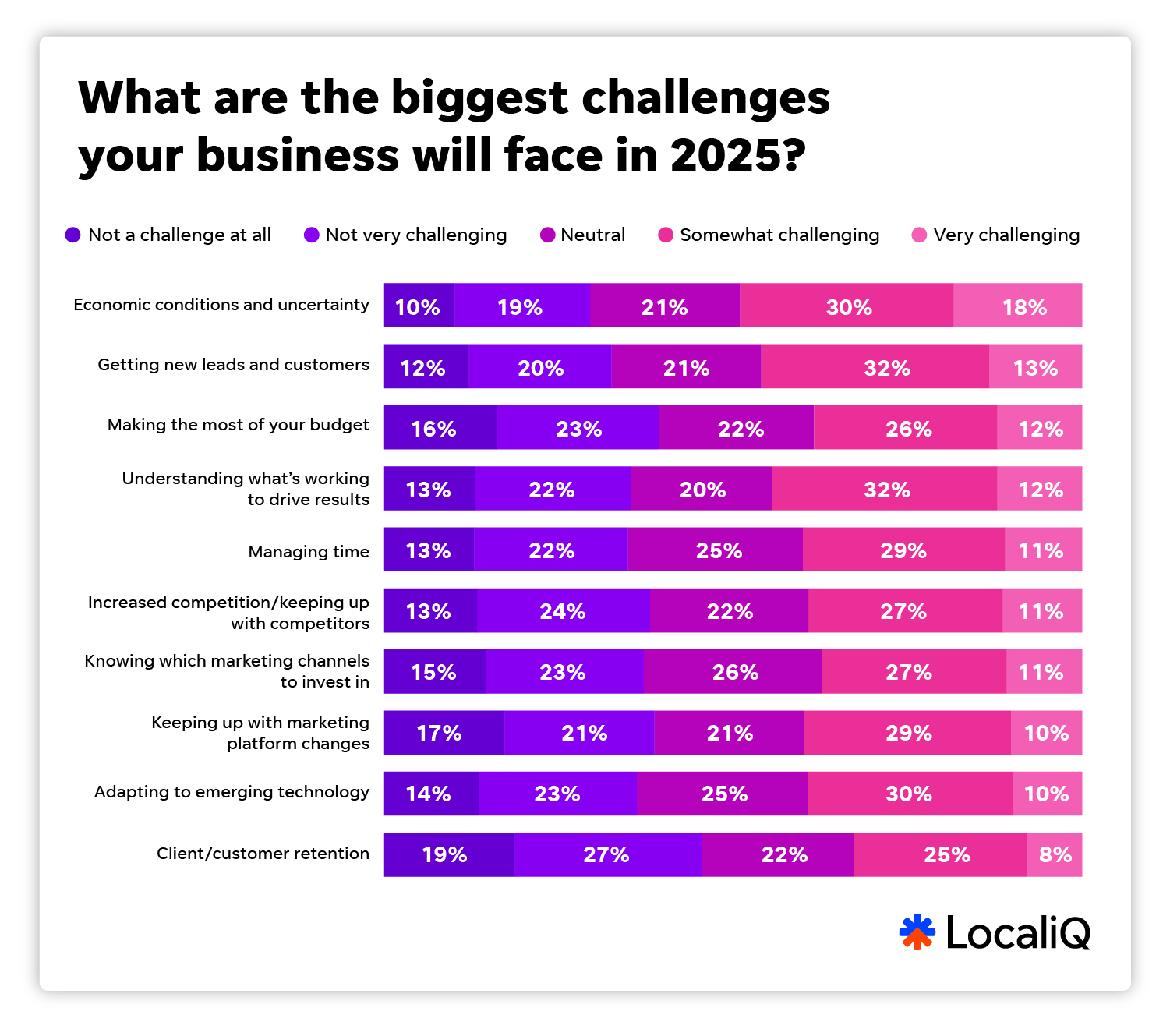
Unfortunately, many businesses struggle to retain customers, a consequence that can diminish sales revenue and weaken the ability to survive. It has long been known that implementing strategies designed to retain customers is fundamental; customer acquisition cost has increased by nearly 50% since 2013, making it so much more expensive to acquire a new customer, as compared to the cost associated with retaining an existing one, further proving the value of repeat customers and promoting the loyalty that stimulates repeat business.

Customer loyalty is the happy result of the relationship between satisfied customers and the businesses they know and trust. Building a loyal customer base for your entity brings benefits in at least two ways—it discourages customer churn and therefore limits the marketing dollars you’d need to spend trying to retain them and second, loyalty helps you grow and preserve your current group of customers. Not only that, promoting loyalty can also convince customers to become cheerleading advocates for your brand.

In other words, encouraging customer loyalty can do wonders for your business, like enhancing sales revenue, strengthening customer relationships and brand building. You just need to work at it consistently! Below is a list of customer loyalty strategies, one or more that’s sure to be useful for you.

Exceed expectations

Customer expectations are feelings, actions and outcomes that customers anticipate will result from their experience with your brand, from first impressions to final purchase and on to using the service or product that was purchased. You’ve probably heard the oft-repeated advice that urges businesses should “under promise and over deliver”—you do that by exceeding customer expectations. So, if you promise a customer that you’ll follow-up to answer a question or resolve a problem within 24 hours and you contact the customer within six hours, you’ve exceeded customer expectations and planted the seeds of loyalty. Common customer expectations include:

  • Quality product. Product quality is at the top of most customer checklists. They want a product that meets their needs and delivers on the promises of its description, photos and reviews. 
  • Great customer service. Customers expect businesses to provide friendly and knowledgeable customer service before, during and after they make their purchases.
  • Value for price. Value is represented by the satisfaction customers feel when the price of the product or service seems appropriate (or like a good deal). Perceived value for money spent is subjective, but customers want a price they believe is justified.
  • Personalized interactions. Customers want to feel like the company values them by providing an efficient, pleasant and personalized buyer’s experience.  

Exceptional customer experience

Promoting customer loyalty involves more than offering products and services that satisfy the needs, goals, or problems of customers. To truly win over a customer and create loyalty, you must persuade them to become your cheerleaders. An exceptional customer experience is the true foundation of customer loyalty. Superior service is integral to encouraging customer loyalty and promoting positive word-of-mouth that differentiates you from competitors.

Customers who are pleased with the experience your brand provides, and also trust the reliability and quality of your products and services, are positioned to become loyal customers. They’ll usually be happy to share their favorable experiences with friends, family and colleagues and give your brand enthusiastic endorsements that commonly result in referrals of new customers and repeat business. These demonstrations of customer loyalty are a powerful, and inexpensive, way to reach new customers and build your customer base, sales revenue and brand.

  • Surprise and delight. To create a positive, memorable experience for your customers, remember that it’s the small and unexpected things that keep them coming back.

Expertise

Because your goal is to attract and retain customers, generate referrals and recruit brand cheerleaders, know that you’ll promote those aims by demonstrating that you are a reputable and trustworthy expert in your field. You’ll build credibility and customer loyalty by sharing your professional know-how with customers and prospects.

  • Educate customers. Content marketing is all about educating customers and it is now the marketing strategy that most customers prefer. The purpose of marketing is to persuade prospects to do business with you. For example, if you are a Freelance gardening and landscape specialist, you would do well to create videos, and/or publish a monthly newsletter or blog that focuses on helping plants survive winter and how to prepare a garden for spring plantings. Throughout the seasons, new posts will address how your readers can create a beautiful garden. Distribute your customer/ follower education info to your email list and encourage list members to subscribe to regularly receive the info.

Reliable

Conscientiously build a reputation for being consistent and dependable to further support customer loyalty for your brand. For example, if you promise that a product will be delivered within 48 hours after purchase, take steps to ensure delivery occurs within that time frame. Or if the graphics for the marketing campaign brochure you’re creating for a client must be ready for a 10:00 AM meeting that your client has scheduled with his client, be prepared to work as long as it takes to produce a perfectly designed and edited deliverable at the agreed-upon time and place, to make both your client and yourself look good.

Flexible

While it’s important to have policy and procedure guidelines in place, it is smart to remember that customers have circumstances and problems they grapple with. So, if you’ve established a 14-day return policy, but a customer wasn’t able to return the product within that window, perhaps because of a business or family emergency, graciously accepting the return and offering either the usual refund or store credit may be the best course of action. It’s likely that you’ll gain much more than you’ll lose and it will be an effective way to encourage customer loyalty.

Communicate

One of the easiest ways to keep in touch with customers is through email. Ask for customer email contact info after completing purchases, or while they explore your sales/marketing funnel during the buyer’s journey, so you can send information that a prospect would like to see, or keep existing customers updated on new products, or perhaps follow-up with them after a sale to inquire about their perception of their customer experience. This information can be used to improve customer satisfaction.

Studies have proven that personalized emails have a transaction rate 6 times higher than impersonal emails. Addressing recipients of your marketing emails by name, sending birthday or holiday greetings to existing customers, or thanking a customer for a recent purchase are the types of outreach that customers appreciate. Personalized messages can help create an emotional bond between your brand and your customers that promotes customer loyalty.

Social media platforms will help to bring your customers into a community. Communities are an effective way to start conversations with your customers and also encourage user-generated content. You might start by inviting customers to share pictures of themselves using your product for posting on Facebook, Instagram, or Pinterest, for example.

Feedback

Whenever a customer makes a purchase, request their feedback with an email questionnaire or online survey link sent to their email (you can also place that link on your company website). It’s important that you know what customers like or dislike about your products and/or services and how they feel about your customer service and experience. If you aren’t aware of this information, you will be unable to make changes that will make your customers happy. Always be ready to listen to customers and address their concerns a timely manner. Make it easy for them to get in touch with your company by clearly displaying the email address, phone number and social media links on your website and in emails.

  • Make it easy to communicate with a real person. While technology has made it easy for customers to find information regarding your product or service, it’s a mistake for business owners to hide behind a wall of tech. There’s going to be an event that causes a customer to feel the need to speak with a real-life person. Make sure that your contact information is easily located on your website and in your emails and follow-up on inquiries in a timely fashion.
  • Spend time with customers. Speaking with customers is good business—they’ll immediately recognize that you care about them as individuals and want to provide a pleasing customer experience for them. It’s Relationship Building 101. Furthermore, you can learn a few things, such as what motivates them become, and remain, your customers. What you learn in conversations with customers is invaluable—the intel can be used to generate more specifically useful content and support the development of more effective marketing campaigns. Moreover, you might even be able to recruit customers who are especially happy with your brand to share their experiences in testimonials or case studies.

Transparency and integrity

There will be days when things fall apart. Rather than retreating into excuses and denial, put your big boy/big girl pants on and be honest with customers about the bad news. Mistakes happen; customers know this and when you face up to the problem, customers will respect and appreciate your honesty. Don’t get defensive or over-sensitive if you get called out on something that was your fault. Instead, use emails and social platforms to take responsibility and resolve the issue.

Train employees

Employees are part of your team and they are capable of generating customer loyalty—or destroying it. Employees who buy into your brand promise and culture are more likely to themselves feel loyal toward your company and inclined to share their enthusiasm with friends, family and the customers they assist. Make sure your employees have the proper training and tools to enhance the customer experience and keep them updated about company developments that will support their work. Always treat employees with respect and listen to insights and suggestions they have to streamline procedures, sharpen your marketing campaigns and pay special attention to any rumblings of customer discontent.

Incentives

You want to give customers reasons to keep coming back and that’s when incentives can be helpful. Your give-away could be as simple as a 10% discount on their next purchase that is at least $50 or giving them a free (relatively inexpensive) branded item after their tenth purchase. Instituting a loyalty program might include the following.

  • Points System – Customers earn points which can be used for a reward.
  • Tier system – Provide a small reward and increase the reward over time.
  • Support programs around your customer’s values – Customers aren’t just concerned with monetary rewards, show your support for programs that they support.
  • Coalition programs – Team up with a related company for deals outside of your company

Happy New Year!

Kim

Image: © The Next Crossing. Marrakesh, Morocco 2017

Freelance or Fractional?

What’s the newest growth niche on the horizon for professionals who work independently? Voices in the echoverse are buzzing about an innovative hiring model that has the potential to offer exciting work opportunities to highly skilled Freelancers and other self-employed professionals. This undeniably practical, and revolutionary, hiring model is called fractional.

You may have heard the term a couple of times over the past year or so, but never checked out the backstory? Know that talk of recruiting fractional, that is, interim, talent to guide (often start-up) companies in need of specialized expertise is capturing the attention of more decision-makers every month and urging Freelancers, et al. to consider the fractional work sector. For those with the required skill set, there may be interesting and challenging, possibly high-profile, and lucrative assignments for which you would make a good candidate.

What drives fractional?

Fractional work has joined the gig economy, enabling businesses to access C-Suite level talent on a short-term basis when urgent projects require a complex or sophisticated solution. That business leaders are able to eliminate the considerable costs associated with hiring a full-time senior level employee, a process that typically involves a lengthy candidate search and several interviews, followed by salary and benefits package negotiations, aligns with business practices that start-up funders and business lenders prefer.

Business leaders like keeping payrolls lean, a solution that became fashionable in the late 1980s (and shows no signs of abating). Turning to temporary talent sources, i.e., Freelance professionals and fractional executives, allows CEOs to strategically hire for specific projects without incurring burdensome expenses. Fractional employee expert Abby Sugar sums up the prevailing opinion, “You get to have a high-level strategic executive thinker that you might not need on a daily basis.” She continues, “You don’t need to be paying a super-high monthly salary for somebody if you’re not that large yet and so you need a higher-level person to help you strategically execute and bring on a fractional COO (Chief Operating Officer) instead of a lower-level person at a low hourly rate.”

Ms. Sugar’s observation is further demonstrated by the appearance of fractional Chief Marketing Officers who are now an increasing presence in start-up havens like Austin, TX and Silicon Valley, CA. According to Chief Outsiders, a leading company that places fractional CMOs into well-funded start-ups, there’s been a 38% jump in demand for fractional CMOs in the past year; the Association of Professional Executives in Marketing and Sales predicts the demand for fractional CMOs will grow by another 20% in the next five years. Below are comparisons between working as a fractional executive and a Freelance professional.

Typical work projects

  • Fractional: Fractional executives fill a specific business need on an ongoing basis, e,g., six months or more, but as a part-time commitment. Fractional execs are known to take on strategic roles, mission-critical tasks and projects that require working closely with the hiring company team. For example, a fractional CMO may be hired to develop and execute marketing strategy and contracted to work a certain number of hours per week. Unlike Freelancers, fractional workers often become a de-facto part of organization staff and integrated into company culture. 
  • Freelance: Freelancers are hired to complete specific, project-based tasks that are sometimes ongoing, e.g., producing a monthly newsletter or managing social media accounts, and at other times short-term, e.g., designing a website or planning a company meeting or other event. Freelance projects generally top out at mid-level complexity and unlike fractional execs, Freelancers generally do not become immersed in the company’s functioning, culture, or values.

Typical expertise level

  • Fractional: Fractional hires are C-Suite level executives, experienced professionals with a proven track record in their field. They bring considerable knowledge and expertise to the table and can be expected to produce the desired outcomes. In fact, they can be a game-changer for start-ups and companies executing a turn-around. Services like Upwork, the previously mentioned Chief Outsiders and others connect companies, often start-ups or those involved in a scale or turn-around, with seasoned executives who provide specialized skills and leadership experience on a part-time or per-project basis. Fractional execs can be a cost-effective way to access the expertise a CEO needs to achieve specific goals while avoiding the costs of hiring a full-time employee.
  • Freelance: Freelance professionals also may have been C-Suite executives, or they may have reached manager level, and own the skills needed to successfully take on complex work assignments. Others are highly skilled and results-oriented as well, but more suited to less complex, but nevertheless strategic, mission-critical assignments. Freelance professionals may have gained experience in a particular niche, or they may be generalists who expertly perform any number of tasks.

The emergence of companies that welcome Freelance and fractional workers demonstrates the resilience of the gig economy. Now, talented professionals who’ve developed specialized skills at either a senior or junior level, and are hungry to experience working in different industries or environments, can work on a per-project basis and monetize their expertise as they take on important assignments that challenge and excite.

Thanks for reading,

Kim

Image: ©HGTV. Jonathan (L) and Drew Scott, The Property Brothers on season 7 (2020) Brother v. Brother

How to Scale Your B2B Services Company

Independent and ambitious Freelancers, like other business owners, are inclined to brainstorm strategies and tactics that may have the potential to increase their company’s revenue and profit. Central to the entrepreneurial dream is building an entity that attains success as you define it and that often entails making money. But as with all business decisions, it’s necessary to determine which strategy and tactics have the greatest likelihood to reach the pot of gold. As always, the most reliable way to answer that question is to conduct comprehensive marketplace research and examine your company’s key performance indicators.

Grow, scale, or expand?

It is imperative that you recognize which KPIs point to a particular revenue and profit boosting strategy and give you the confidence to follow that solution. To earn more revenue and become more profitable, there are three options—expand, grow, or scale. Each strategy requires certain marketplace conditions and financial and other resources and carries its own kind of risk.

Expansion is a much bigger investment, especially for Freelance professionals, who typically operate a service business, work alone and deliver the service yourself. Launching your operation in a new location typically places a significant demand on financial and logistical capabilities, making growth or scaling, which both entail relatively fewer demands on resources, more accessible to Freelancers.

OK, so how can you recognize which option makes more sense for you? First, let’s know what we’re talking about. Many business owners and Freelancers misunderstand the meanings of growth and scale, so let’s take a sidebar and examine their definitions. Growth means adding more projects, new services and/or signing additional clients as the engine of your strategy to boost revenue and profit—activities that mostly entail more expenses. Scale focuses on increasing revenue and profit without significantly increasing the associated production costs. Essentially, scaling means working smarter, not just harder, and aligns well with the financial and logistical capabilities of the typical Freelance professional.

Nevertheless, scaling a business, particularly a small, service-based company, will require extensive preparation and a well-designed strategy to make it work. To evaluate the possibility of scaling your operation, you’ll dive into company KPIs and conduct an extensive financial analysis, marketplace research and strategic planning. Data-driven decision-making will yield the most trustworthy information and outcomes.

Furthermore, when contemplating your scale, or any other significant business investment, as you study the data, contact your business accountant, who is familiar with your financial situation and is positioned to be your Sherpa and guide you as you climb (scale!) the mountain. There are a couple of obvious questions that you should address before calling the accountant.

  • So, how’s business? Are clients lining up to do business with you? Are you meeting, if not exceeding, your revenue targets? How many clients are on your roster? If business is off the chain, then get your accountant on the phone and share the good news. However, if you’re merely pleased with your performance metrics, set higher goals and observe what happens during the next two or three quarters. if you surpass those metrics by an impressive margin, it may be time to call the accountant and discuss next steps.
  • Client feedback Listening to what clients observe or experience can steer your business toward success and it’s good business to invite them to give their perspective. Invite clients to share their thoughts and suggestions regarding your services. Client insights may open your eyes to add-ons, upgrades and/or new services you can provide and what they tell you could contribute substantially to your scale. Make giving feedback convenient by occasionally including surveys in marketing emails, soliciting online reviews, maintaining an active presence on social media, or making yourself available for in-person conversations. Your objective is to hear and assess what clients say about your services, company and the customer experience you provide. You can use their feedback to better understand what clients like, what you can do better and get early warnings of emerging trends and how your clients feel about what’s on the horizon. With this knowledge, you can tailor your services to meet this demand and strengthen your positioning as a go-to provider in the industry, whether or not you decide to scale.

Use data to evaluate a potential scale

Analyzing and interpreting company performance data will do more than answer the expand, grow, or scale question. KPIs will also spotlight company strengths and weaknesses, help you recognize competitive advantages and call your attention to gaps that limit progress and need fixing. With the help of your accountant, your KPI data analysis will also indicate the overhead expenses, staffing and other resources, so that a realistic budget can be developed.

Moreover, your analytics tools can build reliable data-driven sales forecasts for the proposed scale that will include the number of new clients needed, average billable hours/ hourly rate and sales revenue you must generate within a particular time frame. BTW, if you were wondering when and how to incorporate AI into business operations, evaluating a potential scale could be your motivation.

Find your money-making niche

Turn to marketplace and industry data to point you to a niche you might enter. You might also consider how you to diversify your current service line? In either scenario, consult your data projections to suggest whether client price tolerance will allow you to achieve a profit margin that covers the expense of delivering at scale. Competitive intel is also likely to be useful; for example, there may be few competitors in certain market segments because there’s no money to be made. Once you’ve learned where the opportunities are, you can start making changes to scale successfully.

Upgrade marketing and branding

Build up company visibility and reputation with robust marketing and branding. Sharpen your marketing messages and establish a presence on inbound and outbound marketing channels that are a fit for your services. Search Engine Optimization, social media and content marketing should be especially useful. Nearly half of all clicks on search engines come from organic searches, which suggests that prospects are more likely to trust the results they find naturally.

Your marketing and branding strategies will also be more impactful when guided by data. By analyzing metrics such as website traffic, conversion rates and client engagement, you’ll be likely to discover actionable insights that may shape marketing strategies and campaigns that produce the results you need.

Standardize service delivery, invest in automation

Scaling a service-based business requires being able to deliver those services in the same way, every time. A strategy that will both save time and ensure that your profit margin is sufficient to cover the expense of delivering at scale is to package your services as a menu of products and eliminate the need for you to customize every order. Next, create standard operating procedures to ensure quality, efficiency and consistency in how your services are delivered. Map the step-by-step workflow, provide written or video instructions for clients and if applicable, ensure that your team is trained on best practices, so that clients will receive the same excellent results every time.

With a service-based business it is you, Freelancer friend, perhaps assisted by a team member, who will provide your services. In order to scale, you must develop and perfect turn-key, streamlined processes that allow you to work with the number of clients necessary to realize the scale. From your client onboarding procedure to billing and invoicing, automation will make your organization more efficient, appear more professional, inspire trust and build your brand at every touch point. Not only that, you’ll have more time to focus on improving your business and optimizing the scale.

Thanks for reading,

Kim

Image: Jack’s First Beanstalk, illustration from Jack and the Beanstalk, a circa 1734 English fairy tale. Author and illustrator unknown.

Your Business: Get the View From 30,000 Feet

If you operate a business, you know all too well that your work is never done. There is always a problem to solve, reports to run and statistics to analyze, emails to send, a customer to speak with (remember to take a break every now and again!). Along with the hands-on, task oriented items on your to-do list, there is another responsibility that business owners have, one that’s seldom discussed but is nevertheless a must-do—to think about the business entity and figure out how to make it grow and thrive.

Thinking about your company—where it is now, where it was a year go and where you’d like it to be in 12-24 months—demonstrates the difference between being a leader, who embodies the vision of the entity and a manager, who implements goals that enable the vision to be realized. Freelance solopreneurs must wear both hats—the manager, who prioritizes efficiency and gets things done and the forward-thinking leader, who engages in big picture thinking to contemplate the state of the business and looks to connect the dots between problems and their impact, recognize potential opportunities and plan for the future.

Ulyses Osuna, founder of the sizzling hot PR and personal branding firm Influencer Press https://influencerpress.com/ and protégé of marketing rock star Neil Patel, founder of both Kissmetrics and Crazy Egg https://www.crazyegg.com/ , recommends that business owners/leaders regularly examine your organization to assess what’s happening now and what might happen in the future. To effectively steward your business entity, it is critical that business leaders regularly devote time to think about your organization and observe how it functions in real time. Factors you may examine to supply relevant insights may include:

  • marketplace conditions, including the competitive landscape
  • how the company delivers its products and services
  • perceptions of the customer experience, including customer service, that the company presents
  • top-line and bottom-line sales revenues
  • the inbound marketing conversion rate
  • plans for growth and expansion

For companies large and small, including Freelance Consultants, Osuna feels that devoting an hour or two each week to studying the organization is needed to see and interpret the big picture view from 30,000 feet. Business leaders must do more than grind it out just to stay on top of (admittedly important) day-to-day responsibilities and keep things in motion. Remember what inspired you to create your entity; you want it to be all it can be. To maximize your organization’s potential, first get a warts-and-all understanding of where it is now, so you can recognize growth and expansion opportunities and decide how to prepare the company to pursue those opportunities. Neglect your business leader due diligence and fail to conduct frequent check-ins with the organization you created and you’ll eventually find yourself at the helm of a rudderless ship, tangled in the weeds, as you work hard but remain stuck and unable to achieve worthy goals that were once attainable.

Osuna says he gives his clients thought-provoking, sometimes edgy, questions to answer and you (and your team, if applicable) can do the same. It’s OK to address just a question or two in your brainstorming sessions, so long as you take a deep dive and keep it real. Osuna urges you to move forward and execute quickly when you have an ah-ha moment and discover something that might move the needle—do research thoroughly and plan carefully—because good ideas deserve immediate follow-up.

BTW, Freelance solopreneurs who doubt the wisdom of asking themselves questions and then answering themselves can refer to Consulting Drucker: Principles and Lessons from the World’s Leading Consultant, written by William Cohen, PhD (September 2018), to confirm that Osuna’s brainstorming method can produce useful results. Cohen’s book examines the influence that business consultant, educator and author Peter Drucker (1909-2005), who is known as the father of modern business management, has had on business practices. Cohen and his research team found that asking yourself questions and responding to them as if you are a separate entity, can produce credible answers. Your brain will supply answers, or attempt to, making the practice beneficial for a single individual to contemplate questions that require objective and big picture thinking.

Cohen at al. theorize that the primary reason for this phenomenon is that oftentimes, the facts needed to answer questions and resolve problems are already stored in your memory, even if some information cannot be easily accessed. Asking yourself questions, treating your brain as a separate entity and allowing it to find potentially useful answers, can eliminate many of the biases that may otherwise block you from identifying effective solutions. There is a limit to the phenomenon, however— if you are under a great deal of stress, or the problem is either too big or the situation is too demanding, the brain may not function well enough to identify a workable solution to the question or problem, even when you frame the query as if addressing someone other than yourself.

The list of questions below are written to help you successfully launch weekly or monthly business brainstorming sessions for your entity by focusing on three business functions that Drucker identified as vital: attraction of prospects, customer conversation rate and delivery of products or services. You can choose other questions to ponder, depending on your circumstances, and address them at your own pace. You may take on only two or three per week/month but devote an hour or two in each session to think about your business entity, it’s challenges and potential.

  1. Which systems improvements will make doing business easier, more efficient and/or less expensive?
  2. Which media outlets would best showcase the company and brand and has the company/or I been featured in one or more in the past 12 months?
  3. If I was able to hire one (or more) employees whose salary would be paid by a grant and cost me nothing, in what capacity would it make sense for the person(s) to work and would s/he work?
  4. Do my products/ services optimally fulfill the needs and aspirations of my customers? Should I add an upgrade or a simplified version or should I develop a new service or offer a new product?
  5. If I was given a no-strings gift of $300,000 to exclusively spend on the business, what would I spend it on?
  6. What do customers value most about the company? Where do customers feel the company falls short?
  7. Does the content produced for the company showcase me as a thought leader? In what categories have I (or can I) establish authority? This could involve guest articles, interviews, or speaking engagements.
  8. What do you want the company to look like in one year, two years, or five years?
  9. How do I provide solutions that solve client problems or achieve client goals?
  10. If I could do it over again, would I create this business in the way I have done—what, if anything, might change?
  11. What are the most common objection that prospects give to your sales pitch and what might be the best response?
  12. What is the biggest priority that the company faces now?

Thanks for reading,

Kim

Image: The Thinker created in 1904 by Auguste Rodin (1840-1917) on display at the Peabody Essex Museum, Salem, MA 2016 exhibit, “Rodin: Transforming Sculpture.” 

On Considering a Business Partnership

It’s often said that two heads are better than one. If you’d like to achieve an important goal or solve a problem that’s disturbing your life, help may materialize as a friend who suggests a solution that overcomes the obstacle. Now if the advice you need concerns a business venture, your answer could be found in the person of a business partner who’s willing to join you in the venture and bring resources that help jumpstart the success you envision.

Freelance professionals and other business owners may reap significant benefits from a partnership; a wisely chosen business partner will bring resources to your company that, depending on the products and/or services sold, can position the entity to take on big budget, high profile projects, introduce more clients, expand the products or services the company provides and/or improve access to capital that enables the business to scale and expand.

Partnership planning

Forrester, a global market research company with headquarters in London, UK and Cambridge, MA, in 2019 conducted a study that revealed companies worldwide use business partnerships to “drive competitive advantage.” Results indicated that 77% of companies view partnerships as “central to their business strategies and initiatives.” Those encouraging results could apply to your company, too, if you set things up right.

Because a partnership is a long-term, game-changing strategy, it’s essential that you discuss the idea with your accountant and business attorney before making any moves. There are different types of partnerships you can create, any of which might benefit your company. If the possibility of a partnership comes to mind, consider your vision for the business. Where is it now, in terms of profitability, number of clients and shrewd competitors? What do you want the business to look like in five years and what are you willing to do and spend to make it happen?

The insights and recommendations of your advisers, who are familiar with company finances and other important factors, will help you decide the type of partnership that has the greatest potential to fulfill your business goals. Involve whoever appears to be a strong candidate to join you in meetings with your advisers to talk specifics. It will make sense to ask your business attorney to draft a written partnership agreement for the new entity, whether or not your state requires that such a document must be filed with your Secretary of State or Attorney General.

Below are two standard partnership formats; the specifics of your choice will be included in the agreement, as will the ownership percentage of each partner. Keep in mind that partner contributions to the business may take various forms. Capital contributions can be made as cash, property, equipment, or intellectual property. The value of each partner’s contribution will impact the percentage of his/her ownership stake.

  • General partnership: where two or more individuals own and manage the business. GPs share equal responsibility and decision-making rights for the business, will receive the agreed-upon share of profits generated and will incur the agreed-upon liability for losses and debts. The liabilities, contributions and responsibilities of partners are typically equal unless stated otherwise. Profits and losses are shared equally, unless stated otherwise.
  • Limited partnership: limits the amount of financial liability for partners who join the entity as an investment opportunity. While there must be at least one general partner, there may be several limited partners, whose function is to bring additional operating capital to the entity. LPs receive profits and are also responsible for debts or losses, in accordance with the size of their contribution. They are not involved in the day-to-day management of the business, nor do they have decision-making power. LPs, often called “silent partners,” serve solely as investors in the business, with the funds they contribute being the extent of their liability.

The partner dance: who zigs, who zags

The person(s) you invite into your business is/are determined by the role the partnership will play in the company. Do you want a co-worker to help you operate the business and also add money and/or other resources? Or do you want more money to invest in the entity while you remain at the helm, developing and executing goals and strategies designed to advance business goals? As noted, you’ll begin by discussing your vision with advisers.

Once it’s decided whether a GP or LP arrangement is applicable, you’ll consider appropriate candidates to approach. In their 2015 book Rocket Fuel, authors Gino Wickman and Mark Winters stress the importance of having both a visionary and integrator — two different people — in order to successfully scale companies. The authors say, “When these two people share their natural talents and innate skill sets, they have the power to reach new heights for virtually any company or organization.”

Restaurants, in particular, typically follow an alternative partnership model, known as “front of the house” and “back of the house.” The front of the house partner is the extrovert who takes on customer-facing responsibilities—greeting customers, acting as the public face of the operation and talking to restaurant viewers and media representatives and, based on those functions, oversees marketing and brand management, for example. The back of the house partner oversees kitchen prep and clean-up, inventory management, accounting/finance and operations functions. Note that the format recommended by Wickman and Winters, as well as the restaurant model, are actually operating agreements and are used by GPs and not LPs.

Your partnership operating agreement should be committed to writing, so that the responsibilities of each partner, accompanied by job descriptions that clearly assign the related tasks, are spelled out. Below are questions that will help aspiring partners get to know one another better and perhaps anticipate how the new team will function, for example, when developing goals, implementing strategies and making decisions.

  • What motivates an aspiring partner?
    It’s only natural to begin the conversation by explaining your reasons for seeking a partner. However, you may learn more by listening to the candidate discuss his/her preferences, expectations, perceived strengths and weaknesses and needs—you want to avoid making assumptions about others’ goals and intentions. Furthermore, make sure you’re on the same page about issues like work ethic, business growth or expansion, willingness to take on risk (see below) and spending money.
  • How will you handle risk?
    Risk is present in all business ventures and we all have our way of approaching risk in its various guises. Partnerships will have a greater chance to succeed if those involved share a similar attitude toward risk. It may be possible to limit the possibility of taking on excessive risk in the partnership agreement, but it’s best to know if one partner is primarily risk-averse or a gambler and consider those characteristics when choosing the partner(s).
  • Agree on performance evaluations (KPIs)
    Unfortunately, many entrepreneurs create or join partnerships that don’t deliver. Quantifying expectations that will define success upfront gives partners the ability to objectively assess and track business performance. If the needle isn’t moving, partners can then decide on a course correction. It may be useful to include in the partnership agreement required performance assessments that make renewal of the partnership contingent upon achieving certain KPI milestones.

Characteristics of the right partner

Partnerships, like all relationships, are primarily built on trust. With that in mind, below are practical considerations to help you recognize a potential partner. Obviously, you want to partner with someone who is honest, committed, works hard and smart and is easy to get along with. Characteristics and conditions that you may want to look for as you consider a potential partner include:

  1. Trustworthy

As noted, trust is the foundation of the partnership. If you can’t trust your partner, nothing else will matter. The challenge lies in trying to assess trustworthiness when you don’t have a pre-existing relationship. Evaluating trustworthiness often comes down to the feeling you get when interviewing a prospective partner and examining his/her business track record. You’ll need to have several conversations with any potential partner — discussing experiences, beliefs, vision, background and other situational factors.

You may as well want to have conversations with people who know the candidate personally and professionally. Be sensitive to the way other people talk about your prospective partner—do they seem to feel positive and enthusiastic, or do they seem guarded or even indifferent?

A candidate’s business track record will also tell a story. Scrutinize candidate resumes and evaluate the financial performance of businesses they’ve owned or worked for in the previously. Were these companies and/or departments better off when the candidate left? Were there any questionable decisions that act as red flags?

2. Compatible

You’ll spend a lot of time with your business partner. You don’t have to be best friends, but you’ll need to forge a good working relationship, enabled to identify and prioritize goals and get things done. There must be a healthy dynamic that allows you to function as a team for the betterment of the business. Evaluating potential compatibility often comes down to a gut feeling.

3. Complementary skills

While compatibility is important, you don’t want to bring on a business partner who has an identical skill set. This won’t move the needle much for your business. Ideally, you find someone who has complementary skills. For example, if you’re good at innovation and product development, you might want a founder who has more experience with sales and marketing. Think back of the house, front of the house and also visionary and integrator.

4. The right network

Networking is a huge part of launching and growing a business. A venture in its early stages especially is highly dependent on a robust network of relationships to get the word out about the new venture. Even as the business grows, a healthy network will open doors for new opportunities.

Many will say that the network should be large, but I recommend quality over quantity. Having relationships with a select number of influential professional and/or personal contacts who will advocate for you and recommend or refer you to potentially good opportunities, as I see it, is much more effective than an extensive network that’s filled with people who cannot or will not make a phone call on your behalf or anything else to further your cause.

Apply this principle to your search for a partner. On your qualifications list should be the quality, or if you prefer the quantity, of his/her network. A partnership should give you/the business instant access to new, beneficial relationships . Between your network and theirs, you should notice an instant increase in revenue potential.

5. Problem-solving skills

As you know, running a business is all about recognizing, solving and, ideally, avoiding problems. That points to the need to find a resourceful and responsible person who has enough business operating experience to have become a skilled problem-solver. As you interview candidates, ask each one to describe a couple of business problems that s/he has faced and how (or if!) the issue was resolved.

It is very instructive to grasp how a partner is likely to respond when there’s a problem to confront. Did your candidate ignore the problem, hoping that over time the issue would resolve on its own, or did s/he quickly jump in to fix things, perhaps before understanding the root cause and whether an effective response could be made by your team, or if it would be wiser to rally the support of fellow business owners?

Depending on the situation, either response could be appropriate. Getting a sense of the Emotional Intelligence, judgment and strategic thinking style of a prospective partner will give you a strong indication of that person’s suitability to become a good partner for you.

Thanks for reading,

Kim

Image: Diane Arbus, ©The Estate of Diane Arbus LLC. Cathleen and Colleen Wade at age seven (Roselle, NJ 1967)

Your Business Needs Referrals

Whether your business is B2B or B2C, getting referrals is hands-down the best way to bring in new customers. When someone you’ve done business with recommends your company to their colleagues, friends, or family, your chance of getting the project or sale is greatly improved. Referrals demonstrate trust—they’re a big vote of confidence and one of the the greatest compliments your company can receive.

Most businesses receive referrals at least occasionally and for some, nearly all customers are referred, but the importance of referrals should not be underestimated. Savvy Freelancers and business owners are proactive and develop strategies to encourage a steady intake of referrals. The objective is to identify and motivate high-quality referrers and persuade them to recommend your products or services to those in their network who are in search of a solution your company provides.

Leverage your network

Keep in mind, BTW, that a degree of finesse is necessary when looking to stimulate referrals; you must be sensitive to the fact that referrals are earned and not an entitlement. That said, Freelancers and business owners who’ve been operating for maybe just a year or two will probably not be seen as pushy when reaching out to friends, family, or even former co-workers to let them know that referrals of prospective customers would be appreciated.

Those in your network surely know business owners, decision-makers and other professionals; some will be happy to make introductions that allow you to expand your network and, if possible, will also make a referral for you. Make it easy for those who know you best and are motivated to help you succeed by sharing basic facts about your business:

  • Explain what you do using terms they will understand
  • Create a professional looking website and LinkedIn profile
  • Concisely and clearly describe projects you’re qualified for and interested in
  • Give examples of the industries you typically work with, if that is a relevant factor (e.g., hospitality, defense industry, higher education, publishing) and the job titles of those who typically hire or interview you (e.g., CEO, Executive Director, Marketing Director, VP Human Resources)

Invite new relationships

Good referrals can also be made by people you’re not especially close with; meeting new colleagues at conferences and other professional settings can present opportunities to grow your network. When networking, do yourself (and everyone!) a favor and squelch the temptation to push your business card onto all you encounter as you “work the room.” Instead, show a genuine interest in those you meet, as demonstrated by asking questions and listening to those you chat with. Adopt a mind-set that includes generosity along with self-interest. Be willing to help others as you would like to be helped. Try these relationship-building tactics to expand your network and potentially generate referrals:

  • Invite certain of your LinkedIn connections to in-person or virtual coffee dates to learn more about them and discuss how the two of you might help each other’s business.
  • Explore local organizations related to your industry and/or the business community. Chambers of commerce are a good starting point. Attend business education programs, meet & greets, and/or virtual events and introduce yourself.
  • If you listen to podcasts or webinars, start building a relationship with the host(s) by commenting or asking questions. If you especially enjoyed the program, invite the host(s) into your LinkedIn network. If a program attendee or guest stands out to you, get his/her name and introduce yourself in a private chat and propose follow-up.

Social media promotes referrals

Social media sites like Facebook, Instagram, LinkedIn and X (Twitter) enable you to nurture relationships with both your new and long-lasting contacts and make it easy to occasionally say hello and also remind them that you’re on the lookout for referrals. Periodically revisit and update your social media profiles, to ensure that your online presence will inspire confidence when new connections check out your organization as they consider referring you to one of their contacts.

As noted above, pave the way for contacts to refer you by clarifying the work you do and the job titles of those with the authority to green light your projects. You might also provide samples of your work, when appropriate. Create profile-enhancing posts that have the potential to cultivate your standing as an expert and encourage referrals:

  • Share industry news and thought leadership articles to establish yourself as an authority in your space
  • Participate in discussions that relate to your work and industry
  • Add customer testimonials or recommendations to your sites (and offer to make recommendations for others in return)

Exceed expectations

Referrals are 100 percent dependent on your ability to fulfill (or exceed) the expectations of customers. Whether your business occupies the B2B or B2C sector, you must ensure that the buyer’s journey, the quality and delivery of the products or services purchased and all touchpoints please the customers. Taken together, these elements comprise the customer experience; the customer’s perception of that experience determines whether referrals on your behalf will be made.

It is in the interest of business owners and Freelance consultants to both provide an exceptional end-to-end customer experience and also cultivate good relationships with customers. At stake are the potential for repeat business and referrals—important sources of revenue. You have ample motivation to keep lapsed customers on your mailing list, to give business updates when appropriate and to send December holiday cards to customers you’ve worked with (maybe within the past five years).

Remind customers that you welcome referrals

Once you have customers who are happy with your services or products, they may be willing to become a referral source when opportunities arise. Because they have direct experience working with you, they can speak with authority about the quality of work you produce and customer experience that you provide. Do you have a customer who’s told you they’re thrilled with the outcomes of a recent project? That’s the perfect time to ask for a referral!

  • Ask customers to write a LinkedIn recommendation for you (and offer to return the favor).
  • Ask customers to give you a written or verbal testimonial or participate in a case study that will appear on your website. Offer to include their company logo and website link, as a way to increase awareness of their company brand and provide a quality backlink for their company website
  • Tell happy customers that you’re thrilled they’re pleased with your products or services. Let them know that you’re open to performing similar work and that you’d appreciate their referrals if they know of anyone with a need for the products or services you provide.

Make referrals for others

If you are aware of an upcoming project for which you are not a fit, or that current commitments prevent you from accepting, there may be someone in your network for whom that project would be ideal. That’s why forming relationships with other Freelancers and business owners and leaders is essential. When you refer a project or customer to a colleague, it reflects well on you—enhances your professional reputation and portrays you as a true professional. Furthermore, When you refer work to others, you’ll be at top of mind the next time a project comes along that you’d be a good fit for.

Avoid a mindset that’s based in scarcity, envy, or other negative feelings toward business colleagues, including direct competitors. It’s draining and does not insulate your entity from competition. Instead, be cordial and cooperative with business colleagues. Get to know what they specialize in and the types of customers they work with. Become the business owner who colleagues and contacts enjoy referring.

Thanks for reading,

Kim

Image: ©Natee Meepian

Differentiate and Dominate

Here’s a question—what’s the recipe for a secret sauce that will persuade a prospect to become your next client? How wonderful it would be if you could walk into your pantry and pull those ingredients off the shelf. Lived experience tells me that the X-factor of the secret sauce is the client’s gut feeling of your ability to do the job. The interview questions, info in your resume and bio, the references submitted on your behalf by colleagues you’ve worked with have but one purpose and that is, to convince decision-makers you are uniquely qualified to seamlessly produce the project deliverables needed.

That may not seem like a steep hill to climb but in our increasingly competitive marketplace, search committees regularly meet with candidates who appear to be highly capable and able to produce the deliverables. Some may even seem as if they’d also be a joy to work with. The good fortune of being presented with a group of extraordinary candidates ought to make a search committee’s job easier but oftentimes, the abundance of talent only complicates matters. When everyone looks like a winner, how does the committee recognize who deserves the blue-ribbon?

That this is a problem may not be immediately obvious because risk is always inherent in independent employment. Still, the Freelancers and other business owners among you may have become uncomfortably aware of the need to be more resourceful, resilient and agile than seemed necessary just a few years ago. Could it be that while many candidates are impressive, they are for some reason seen by prospects as a commodity and more or less interchangeable?

The topic has captured the attention of researchers at top consulting companies, including Accenture https://www.accenture.com/us-en/insights/song/accenture-life-trends . Differentiation emerged as a viable strategy to distinguish you and your company from competitors and help increasingly jaded search committees to see you as an expert who, if nothing else, can be trusted to make them look good by hiring you. So your task is to find a niche expertise that fits your brand, is adjacent to your current offerings and that prospects value enough to pay for.

The right niche expertise can make you stand out from competitors and sidestep the dreaded commodity label. If you choose well, your niche expertise will generate enough billable hours to enable you to become a big fish in a small yet lucrative pond. So, the next question is, how can you differentiate your skill set to become more valuable and positioned to dominate a money-making niche market and simultaneously remain true to your brand identity?

Know the customer, know the brand


As always, comprehensive knowledge of your target customers and deep understanding of your brand and its impact on customers will make you feel confident enough to:

  • Recognize a market-worthy expertise that both fits your brand and will persuade prospects to pay you to provide
  • Create and carry out the strategies that entering the niche market entails

Whatever you choose, you’ll be most successful by making a data-driven decision that is based on relevant metrics. Most of all, you must verify that the niche you’d like to enter is capable of grabbing the attention of prospects, making you seem like a more worthy and exceptional candidate and also has the ability to let you generate sufficient revenue to make it worth the work it takes to enter that market.

Also, be sure to research the need for professional experience and/or educational credentials that will allow you to be seen as a credible and trustworthy expert in your new field. Make a plan to acquire whatever certification is needed. Moreover, if there are upcoming conferences or other programs that pertain to your niche expertise, plan to attend and network with colleagues and prospects (if in attendance).

Finally, update your website, social media platforms, business card, inbound and outbound marketing strategies and tactics to announce and support the introduction of your niche expertise to current and prospective buyers and other stakeholders and begin to build trust in what may be perceived as a new competency for you. Competitive intel as regards key words and messaging should be helpful.

Thanks for reading,

Kim

Image: Living Color Garden Center Fort Lauderdale FL

Building a Referral Partnership

Now that you’ve got your business up and running, beating the odds and experiencing some success—congratulations!— ambition may bring thoughts of growing your entity. It’s natural that you’ll want to realize the dream that drove you to launch a business. You’ll wonder how you might continue to grow your customer base and revenue and become a force in your marketplace.

You’re dreaming big but you’re also pragmatic; you’d prefer to attain growth without taking on onerous debt or committing to some other risky strategy. Your choice of strategies may be limited but there is at least one that, over time, has the potential to deliver the growth you’d like to see without putting a dent in your budget. Your ideal growth strategy could be a referral partnership.

A referral partnership is an agreement in which business entities refer customers to one another. A well-chosen and consistently executed referral partnership agreement can become an important element of a business growth strategy and enable the participating businesses to reach new markets and access new customers to whom they can introduce their respective brands as they book additional revenue. While the reciprocal benefits of referred customers is the foundation of the agreement, in some instances a bonus might be paid for referrals that result in a sale or billable hours. Negotiating an agreement that is considered advantageous to the parties is crucial to building a successful and sustainable referral partnership agreement.

The principal building block of a successful referral partnership is your list of potential partners whose customers can be reasonably expected to become your customers as well, as your own customers can likewise be recommended to your referral partner’s business as a potential customer. The viability of a referral partnership rests on what you and your partner can offer one another.

When you think of business colleagues, or even your customers, whose product and/or service line complements, but does not compete with, your offerings you can create a short list of potential candidates and discuss the possibility of creating a referral partnership. There are other factors to consider when selecting those you’d like to discuss a referral partnership, as you might expect, including identifying a potential partner who shares your values and whose customers can be expected to have the motivation to do business with you and vice versa.

Once you have selected a partner, it is important to develop a clear plan for how the referral partnership will work and expectations for its performance. It should also outline the roles and responsibilities of each party.

Building blocks of a sustainable referral partnership

  • Trust

Trust is a core aspect of finding the right fit in a business partner, and evaluating trustworthiness often comes down to conversations, track record and intuition. This is why it’s essential to take the time to have those pivotal discussions around vision, values, professional and personal background. Sadly, the business relationship you went into with such high hopes and visions of the money the parties will make is closer to fantasy than reality. In fact, some 50 to 80% of partnerships fail in the first few years. Before you finalize a deal, build a strong foundation of mutual respect and trust with your referral partner to increase your chances of success.

  • Similar values

To create a beneficial small business partnership, there needs to be common ground. For this reason, it’s important to ensure your prospective partner shares business goals and values that are aligned with yours. This goes beyond the desire to simply make a profit — it means confirming that you share similar core values that guide how you conduct business.

  • Define roles and responsibilities

Although there’s no legal requirement for a written contract that details the terms of a referral partnership agreement, getting things on paper will help participants to establish accountability, avoid miscommunication and defuse the potential for conflict that might arise from an underwhelming outcome, for example. Your referral partnership document can summarize the expected duties that participants will undertake to promote, whenever appropriate, selected products and services of a referral partner. A written agreement demonstrates that each participant is satisfied with the terms, in particular the amount of work that must be done to generate viable referrals. The terms and conditions of your referral partnership agreement might reasonably include:

  • Describe the responsibilities and expectations of participating companies (owners and staff)
  • Define what constitutes a referral
  • When referral bonuses (if applicable) will be paid and the amount paid per referral
  • Length of the partnership
  • Results that define success or failure
  • Timeline for assessing initial results and for declaring the partnership a success or failure
  • How the partnership can be terminated

Thanks for reading,

Kim

Image: © Everett Collection, photo by Conrad Hall (1970 Academy Award Best Cinematography) Butch Cassidy and the Sundance Kid (1969) starred Robert Redford (L) as the Sundance Kid and Paul Newman as his partner in crime Butch Cassidy. The film was nominated for Best Director and Best Picture at the Academy Awards and won four Oscars, including Best Original Screenplay and Best Cinematography.

Think, Plan, Do: How to Think and Act Strategically

By now, I’m certain you’ve figured out that life is a game of chance that’s impacted by luck (good or bad) and planning (strategy or happenstance). You cannot really “make your own luck” (only lucky people think you can), but by thinking strategically and implementing your strategies, you’ll be able to influence certain variables that may tip the outcome in your favor.

Strategic thinking is an essential skill that promotes success both in the business world and in your personal life. Business owners and leaders rely on strategic thinking to make informed decisions and plan for the future, to promote innovation, respond to changes in the marketplace and recognize good opportunities. Strategic thinking depends on reliable information that you’ll analyze to identify the potential outcomes of a decision and ensure that decisions align with your company’s long-term goals. Strategic thinking can begin when you address three basic questions:

  • Where are you now in terms of achieving your preferred outcome (the goal, success)?
  • Where do you want to be (the preferred outcome)?
  • What actions will you take to bring about your preferred outcome?

Rich Horwath, author of the New York Times and Wall Street Journal bestseller Strategic: The Skill to Set Direction, Create Advantage and Achieve Executive Excellence (November 2023) and founder and CEO of the Strategic Thinking Institute, a strategy workshop facilitator where he is an executive coach and strategic advisor, defines strategic thinking as the ability to Think, Plan and Do. Horwath believes that strategic thinking leads to insights that allow us to recognize or create competitive advantages that lead to success. His coaching experience has shown him that strategic thinking can be learned, that we can assess our own strategic fitness level and apply the skill to create value for the business.

Acumen

Howath points to acumen, the way you think, as the basis of strategic thinking, along with context awareness, insight and innovation. Acumen gives you the ability to size up a situation, see the big picture and generate new ideas that move the organization from its current state to your preferred future. The components he assigns to acumen work in tandem and are what separate strategic thinkers from the rest:

  • Context awareness—informs your vision of the big picture and reflects your understanding of both your internal situation (culture, purpose, processes, guiding principles) and external situation (market trends, customer behavior, competitive landscape, business conditions). This awareness and perception informs your choices to allocate the resources you’ll use as your pursue your goals.
  • Insight —the ability to learn and draw conclusions, however preliminary, from current conditions and past experiences. This requires curiosity and an exploratory mindset. A key trait of strategic thinkers is their discipline to continuously record, categorize, share and reflect on insights.
  • Innovation —can occur when you focus your awareness and insights to create new value. It typically generated by the brainstorming or problem-solving involved in overcoming a challenge or obstacle.

To evaluate your acumen, ask yourself:

  • Do I regularly assess my business’s current situation, both from both the internal and external perspectives?
  • Do I share valuable insights with my team?
  • When problem-solving, do I stick to the tried-and-true, or do I look for new approaches?

Allocation

Howath sees allocation as how you plan. Strategic thinkers set goals, distribute resources, recognize the risk and tradeoffs when making decisions and create advantages that bring value. Where you invest your resources — time, talent and capital — is a primary driver of your effectiveness and it requires the following components:

  • Ability to focus resources: Resources are usually limited and should be used judiciously in service to achieving your goals. An effective strategy involves the ability to focus resources, confirming that resources are sufficient to produce the desired impact and confirming how the resource should be applied to achieve the desired effect.
  • Decision-making: Strategic thinkers generate and evaluate a range of viable alternatives. Since trade-offs are being made with each decision, they analyze the pros and cons of each alternative, as well as the level of acceptable risk.
  • Competitive advantage: A competitive advantage is created when the value created by your resources and actions exceeds the value that prospective customers assign to your competitors. Once an advantage is attained, strategic thinkers continue to refine it in order to stay ahead of the competition.

To evaluate whether you allocate effectively, ask yourself:

  1. Do I recognize when it’s time to redistribute resources from underperforming areas to projects that show more potential?
  2. Do I spend time on activities that align with my goals?
  3. How do I measure myself against the competitors?

Action

Action is what you do, that is, carrying out your plans. Preparing a business strategy is but one step; how you execute your strategies is pivotal to your success. Action requires the ability to collaborate with others and optimize your performance.

  • Execution involves using your resources to achieve your goal. It requires focus, discipline and follow-through, as well as monitoring to ensure interim results and a contingency plan to salvage a plan that fails to produce the expected result.

To assess your ability to take action, ask yourself:

  • When it comes time to implement a strategy, how prepared am I to take action?
  • Do I ask others what their goals are at the beginning of the conversation?
  • Do I easily get side-tracked by other obstacles along the way?

Merry Christmas and thanks for reading,

Kim

Image: Jackie Gleason as a fictional pool hustler in The Hustler (1961).

Subscription Model Spotlight

The subscription-based business model is an American classic. From the newspaper that the neighborhood paperboy delivered every day to your parent’s house, to the magazines you looked forward to receiving from the mailman each month and, of course, the Book-of-the-Month Club, founded in 1926 and enjoyed by your grandparents, millions have bought subscriptions over the years. We trust the process.

As the e-commerce revolution lured millions of newspaper, magazine and book readers to digital formats and software as a service (SaaS) introduced a menu of business services that make back-office operations much faster and efficient, the number of products and services available by subscription has exploded. There are now hundreds of subscription-based businesses to indulge you, from cable TV and movies to goodie gift boxes for you (Hot Sauce of the Month Club) and your dog (Barkbox).

Subscriptions are the original recurring revenue business model, able to bring a fairly predictable amount of money into a business at predetermined intervals, making subscriptions adored by business owners (and increasingly, Freelancers). Customers also appreciate subscriptions: they make obtaining frequently used products or services more convenient and often less costly, since there is almost always a discount offered as compared to the price of a one-off item. Plus, time is saved and inconvenience spared when there is no need to repeatedly make purchases; a subscription guarantees that your order is complete and payment settled just once a year and renewed annually as desired (and sometimes renewed automatically, which means you do nothing beyond reading the renewal confirmation if no changes will be made).

What’s not to love? Monthly (or annually or quarterly) recurring revenue represents predictable cash-flow and every business owner wants it. The smartest, most forward-thinking business owners and leaders, including Freelancers, are brainstorming ways to integrate a subscription service into their company’s offerings. The good news is that the acceptance level of subscriptions in the general population makes it relatively easy to persuade prospective customers to buy. Persuading subscribers to renew the deal, however, can be another kettle of fish.

So, if the idea of selling your products or services by subscription comes to mind, first ask yourself which of your products or services customers regularly purchase throughout the year but might prefer to order and pay for just once a year and save themselves time and money? Float the idea with two or three of your steady customers and heed the reply. Adopting a subscription model requires serious forethought and planning and this is especially true for many B2B service businesses, where value is intangible and not always immediately recognized. For example, the value of software subscriptions is continually demonstrated with tangible and actionable information that’s generated on a regular basis and by frequent use of the platform by the customer. The value of leadership and Emotional Intelligence coaching, however, can be less immediately obvious.

Subscription business model experts reveal two critical success factors—perceived value and the subscriber experience. Regarding value, subscribers accept a recurring subscription fee when the product or service subscribed to consistently demonstrates its worth. Should the subscriber feel that s/he is not receiving value that justifies the subscription cost, the possibility of service cancellation is imminent. The benefits derived from the product or service subscribed to must be front and center in the subscriber’s mind. S/he must clearly witness or perceive the expected value, preferably through a noticeable, if not measurable, improvement in whatever need the service or product addresses.

Regarding the subscriber experience, quality control and the consistency of the expected outcomes delivered by the product or service are key. There is an ongoing need to maintain, and periodically upgrade, the subscriber service and experience delivered. Subscribers tend to expect service enhancements at regular intervals. Suggestions of other critical factors you may want to examine as you and your team evaluate the potential viability of a subscription model for one or more of your products or services are below:

1. Is the subscription model is right for your business?

 As noted above, do yourself a favor and confirm that enough of your customers will feel it advantageous to commit in advance to the purchase of one or more of your company’s products and/or services by subscription. Is it important to customers to reorder what you sell on an ongoing basis, or are sales typically intermittent or even one-off? Discuss with your accountant the amount of monthly subscription revenue needed to make offering subscriptions feasible for your entity. If you get a green light to move forward, it will then be necessary to develop strategies that promote and defend subscription revenue and minimize subscriber churn (i.e., cancellations). Be prepared to develop marketing campaigns that describe to current and prospective customers how buying your product or service as a subscription service will make life easier or doing business more cost-effective for them.

2. Subscription or retainer fee?

Even if you do a steady business with a certain client, for example, providing payroll solutions or website maintenance and security, a retainer agreement may be more appropriate than a subscription (both generate recurring revenue). A retainer fee is a fixed amount of money that a customer pays to a company/consultant in advance and for a specific period of time, typically, a month, quarter, or year. The retainer fee covers an agreed-upon scope of work or number of hours that the company/consultant agrees to provide to the customer. The customer can use the consultant’s services as needed, up to the limit of the retainer agreement. If the customer does not use all of the hours or services included in the retainer, the consultant still keeps the entire fee; if the customer exceeds that limit, the consultant can charge extra fees or negotiate a new retainer.

A subscription fee is a recurring fee that a subscriber pays to a company/consultant for access to a predefined service or product. The subscription fee is billed monthly, quarterly, or annually and the subscriber can cancel (sometimes) or renew the subscription at any time (usually toward the end of the billing period). The subscription grants access to the product or service, which the subscriber can use as desired. The consultant/company provides the product or service on a continuing basis or provides access to an online platform or membership access site.

3. Try before buy 

Consider offering a short free trial to allow prospective subscribers to experience the advantages of subscribing to your product or service—first month free, for example. Tempting current customers and prospects with a sample of your subscription service could convince a number of them to sign up and pay. Furthermore, you’ll make subscribing still more attractive when their pricing options are uncomplicated. Offer one standard monthly (or quarterly or annual) fee; if you also sell premium and/or economy versions of your product or service, price those subscriptions accordingly.

4. Set clear expectations:

Set clear expectations from the start of the subscriber relationship. Customers must understand what they’ll receive for the price they’ll pay–services, products, tools and/or supporting technologies. Subscriber info should walk customers through what the subscription offers, the level of support available from your team and company contact info.  Ensure that prospective subscribers fully understand the value they’ll receive, tangible (the product or service) and intangible (training, additional info and/or support).

5. Discounts for longer-term subscriptions

The monthly fee should reward longer subscription commitments—24 or 36 months, for example—with correspondingly progressive discounts. While some subscribers desire only short-term use, others will use your product or service basically forever. By offering subscribers a variety of subscription options and offering deeper discounts to those who agree to pay upfront for long-term commitments, you’ll have a better chance of attracting more subscribing customers and increasing recurring revenue.

6. Easy or automatic renewing

The subscription model is an excellent vehicle for customer retention, but your organization must implement strategies to further remind subscribing customers of its relevance to them and provide various incentives for renewing the subscription. Make renewing frictionless and enable subscribers to auto-renew (with an opt-out option). When you make renewal easy for subscribers, they’re more inclined to do so.

7. Quality control and customer experience

Subscriber satisfaction is not to be taken lightly; it is never a given. Ideally, you’ll find it in your budget to assign or hire (W2 or 1099) a subscriber experience specialist who will be responsible for ensuring that expectations are met. That person will also document and report on the turnaround time for resolving issues, as well as any recurring problems. Proper quality control offers you much-needed insight into subscriber concerns, which will drive ongoing service enhancements and continue to enhance subscription value. 

Furthermore, marketing experts have convincingly demonstrated that personalized communication is a deciding factor in reducing churn, building loyalty and re-engaging lapsed customers/subscribers. Your organization should collect as much subscriber data as possible and apply that info to generating email updates and personalized special offers that aim to encourage renewals. The goal is to maintain subscriber enthusiasm and reinforce the convenience, enjoyment and/or habit of subscribing. You want to avoid disengagement, complacency, or other dissatisfaction that may result in a lapsed subscriber.

8. Don’t skimp on packaging

If your subscription is a physical product, invest in premium packaging. With all due respect to the U.S. Postal Service, your product deserves better packaging than a flat rate priority box. While your physical product will require shipping, it is highly recommended that you avoid the temptation to save money by packing and mailing yourself. Instead, find a fulfillment house and outsource packing and shipping.

Your logistics provider will fulfill subscription orders for your product, packing and shipping those orders directly to subscribers in a way that effectively communicates the value of your brand and enhances the subscriber experience. The fulfillment center will also manage product inventory and store the inventory.

Thanks for reading,

Kim