
And the Winner is User Generated Content!

Human beings are, most of us, risk averse. Before trying something new, many of us will do a background check to find out how those who’ve had occasion to use the service or product feel about the experience; and how do those who’ve used the whatever rank the degree of satisfaction it delivers? How does it look, feel, sound, taste, operate, or entertain you? Was the level of satisfaction 5-star excellent, a 10? Or was it 3-star not bad, a 6?

Before committing to try something new, many prospects are inclined to feel safer when they learn how those with user experience feel. So they find the book review, watch the movie trailer, see the celebrity chef cook during a TV guest spot; they’re on a decision-making mission. Similar behavior occurs in the B2B sector, with Freelance professionals, business owners and marketing specialists working on the creator side to manage responsibility for delivering informative, persuasive and memorable experiences to current or potential clients and others who visit company websites, social media accounts, podcasts, newsletters, or other marketing platforms that can influence a buyer’s journey decision-making mission. First person user experience reports can be influential when they are memorialized in comments or stories on social media platforms or as ratings on ranked reviewing sites; and their reach is long. It was recently reported that approximately 98% of consumers read online reviews before making a purchase—meaning that first-person user experience narratives can contribute to the decision-making process associated with the B2B buyer’s journey.

The level of website page views and social media site visits and engagement have long been a reliable barometer of audience interest and approval. Ranking sites such as Angi’s List, Google Business, Amazon or Facebook Reviews and Yelp that invite users to express how they feel about the service or product by awarding (or withholding) stars and/or personal comments have been another trustworthy barometer of audience approval. Not long ago, those who seriously contemplated doing business with a particular company were sure to check in with a go-to ranking site to obtain what they considered trustworthy feedback. But that was then and this is now.

You may have noticed that “grade inflation” has infiltrated popular ranking sites? Prospective buyers have become increasingly suspicious. How many of you have heard rumors about companies that pay advertising agencies to generate untrue reviews that award 5-stars for experiences that never took place? Furthermore, it was recently leaked that Artificial Intelligence-generated “customer” reviews are tainting ranking sites and diminishing trust. According to data from Pangram Labs, nearly 74 % of AI-generated reviews are fabricated 5-star fantasies. As you would expect, the credibility of review site rankings is dropping, the outcome of an unusual number of reviews on some sites that have received 5-star rankings. Freelancers and other marketing leaders are waking up to the fact that they must restore the credibility of user reviews. Enter User Generated Content.

UGC is original, from-the-heart, content that’s created by real life users of your service or product who are motivated to express what they consider an important assessment or other message about doing business with you. The primary creators of UGC are long-term clients and brand cheerleaders. Usually posted on social media accounts, UGC communicates deep admiration and trust for the product or service. It’s most often expressed in reviews or testimonials and presented in text or video format along with images.

In a B2B buying environment that a growing number of prospects don’t quite trust, thanks in part to the misuse of AI to create fake product reviews, plain-spoken UGC is like a breath of fresh air. Its presence can drive up to a 137 % higher purchase likelihood than slick and scripted agency produced content—because UGC is unquestionably authentic. In today’s digital marketplace, UGC has demonstrated that it is an effective component of brand credibility and capable of influencing buyer journeys and purchases for as long as it remains posted, establishing trust that stimulates positive word-of-mouth endorsements, repeat business, referrals and an increased customer lifetime value.

That’s why right now, Freelancers, business owners and marketing leaders would be wise to press the start button and introduce UGC reviews to your digital marketing strategy. What follows are tactics that digital marketing experts recommend to build a UGC campaign that will not only persuade your current clients to share their UGC success stories, but will also help participating clients to tell a story that resonates with site visitors who appreciate UGC content.

Make UGC seem easy and valuable to clients

It’s possible that a couple of clients will, without prompting, post UGC that is useful to your product, service and/or organization; but the impact will be more persuasive when there are several UGC posts that describe the positive and trustworthy experiences that result when doing business with your brand. To move things forward, you will benefit from outreach—specifically, a UGC recruitment campaign that invites happy clients to share the good news about your product, service and organization.

You can explore digital marketing agencies to discuss the scope and pricing of their UGC services, or you may choose the Do It Yourself option to build and manage your UGC marketing campaign on your own. Marketing experts recommend that a successful UGC campaign be presented as email marketing and that the most effective recruitment tool is a UCG review request, which is attached to the email. Develop a list of clients with whom you’ve recently done business and that you are fairly certain have had a positive experience with the product or service that was purchased. Ride the wave of good timing by inviting requests from those whom you expect the memory of their good experience with your brand is fresh, making the motivation to talk about the experience strong. A detailed, clearly expressed and enthusiastic narrative that is presented as text plus an image or two, or in video format, has the potential to become a powerful marketing asset for your brand.

Moreover, a good UGC recruitment strategy must be personalized and designed to make the client’s participation efficient and even empowering. Be certain to use a mobile-friendly, customizable UGC review response form that is easy for participating clients to complete and submit to you. Devise a simple but elegant email and review request form that enhances successfully completed and submitted responses.

You probably guessed that successfully persuading a client to participate is a thrill, but it’s only half the battle. The submitted review must tell a persuasive story in order to influence prospective clients. To create enthusiastic and clearly expressed content, it will be a smart idea to provide participating clients with editorial guidance. Define expectations by including some content suggestions that could enhance the quality of reviews. You don’t want a slick and polished description of the experience; rather, you want to help clients to remember and clearly express what mattered most to them. Consider suggesting the following:

  • Beyond the stars: Instead of a bland question to use as a suggested client response starting point for the UGC, such as “How did you like using (the product or service)?,” suggest instead a more personal and specific question, such as  “Did the product/service resolve your problem?” or “Did the product or service help you achieve your goal or fulfill your purpose?” Good questions help clients recall specific details that can demonstrate the credibility your future clients are looking for.
  • Visuals: Nothing is more powerful than seeing a product in a real-time setting. Client photos and/or videos are highly desirable and known to build trust and demonstrate authenticity. Client videos and images are significantly more effective than photos or videos produced by advertising professionals. Your review collection process should actively encourage the inclusion of visuals and simplify their uploading.
  • Incentives: Offering a small discount or loyalty points for contributing a review can increase participation in your UGC campaign. However, be transparent about it. The goal is to encourage feedback, not to “buy” positive reviews.
  • Reminders: Many clients intend to leave a review but may forget to complete the process. Who among us doesn’t need follow-up? A single, polite reminder sent 5-7 days after your initial email request can significantly increase the total number of reviews collected.

Review, manage, moderate

Once the reviews start rolling in, you will need a management system. Effective moderation gives site visitors, whether new clients or a devoted brand cheerleader, a trustworthy resource for current, prospective, or returning lapsed clients while enabling you to engage directly with your clients and build relationships. Avoid the mistake made by AI-powered reviews and post more than just 5-star reviews that are received. Displaying honest criticism that may arrive shows that you’re a transparent brand. The key is to have clear internal guidelines for moderation. You should publish nearly all legitimate reviews and only edit out spam or reviews that are off topic.

Display UGC reviews for maximum impact

  • Integrate social proof at every key touch point of the buyer’s journey. Don’t make prospects hunt for it.
  • Product pages: For e-commerce, product detail pages are must-have locations for UGC review visibility. Your product detail pages must feature a prominent reviews section. Key placements include a star rating summary directly under the product title and a complete review plus widget further down the page.
  • Homepage: The homepage is your digital storefront. Use a review carousel or a gallery of visual UGC reviews to build immediate trust with first-time visitors and showcase your most popular products through the eyes of customers.
  • Category pages: When a prospective client browses a category with dozens of options, reviews can be the deciding factor. Displaying star ratings directly on product listings on these pages helps users compare items and click through to products with strong social proof.
  • Checkout & cart pages: Even a small display of your overall site rating on the cart or checkout page can provide that final nudge of reassurance, helping to reduce abandonment rates.

Responding to reviews: Turn feedback into relationship-building conversations

Your job isn’t done when a review is published. Engaging with positive and negative feedback is an essential component of responsive, exceptional customer service; transparency and the willingness to address what needs to be improved builds relationships and loyalty. Responding to a negative review, while perhaps stressful, can turn a dissatisfied client into a loyal advocate.

  • Acknowledge promptly and publicly: Respond directly to the negative review so others on the buyer’s journey can see you’re willing to engage.
  • Apology and empathy: Show that you understand the client’s frustration. A simple “We’re so sorry to hear about your experience” goes a long way to overcoming disappointment and repairing a rift.
  • Offer a reasonable solution: Don’t just apologize; make it right. Offer a refund, a replacement, or a discount on a future purchase.
  • Take the conversation offline: Provide a direct contact email or phone number to resolve the specific details of their issue privately. This shows you’re taking it seriously while keeping sensitive information out of the public eye.

Finally, search engines love fresh, relevant content and what’s fresher than a constant stream of new client reviews? UGC is an excellent, often updated source of Search Engine Optimization goodies like long-tail keywords and natural language that real people use to search for products.

Thanks for reading and Happy Independence Day (July 4) to those in the US!

Kim

Image: © Alamy
Let Your Data Do Its Job

It is likely that most business owners and other company leaders in America today often describe themselves as “data-driven” decision-makers and strategy builders; data driven is such a self-affirming and empowering term. In Real Time, though, it’s more than likely that rather few business owners and leaders are living the dream. Oh, many, if not most, subscribe to software-as-a-service financial tools, like NetSuite and Microsoft Dynamics 365. They’re also hooked up for customer relations management, thanks to HubSpot and Zoho. It’s almost a given that a growing number of them have waded into Artificial Intelligence, probably starting with an AI-powered chatbot, maybe provided by Ada. Some may have already advanced to an AI digital assistant that will, by human command, expertly perform a variety of routine administrative tasks, such as scheduling meetings, sending standard emails (like vendor onboarding correspondence), or conducting research.

So business owners and leaders are mostly all-in with tech advances—I guess it makes them feel in control and secure. But the real question is, do business owners and leaders—you—understand and trust the data? Are you able to rely on the story your data tells you, the scenario it reveals? If your key performance index (KPI) metrics indicate that all is bubbling along as intended, I’m sure it’s safe to say that you understand which numbers indicate good news. But if one or more KPIs signal an anomaly that could be a warning of developing trouble ahead, would the message communicated by your data push you to take an action of some sort? When a red light is flashing, what will you do and when will you do it?

Do you take advantage of the precious resource of time that your data can give you and use it to take a second look at what may be an unexpected bump in the road? Maybe a KPI metric that’s tracking in the wrong direction will inspire you to check out another KPI to get another perspective on the number that you find rather worrisome? A truly data-driven leader strategy has faith in the scenario that the numbers reveal; those who understand and trust their information have confidence in the story that the info tells them, whether the description is a random shiver, or an obstacle that calls for a strategy and a plan to implement it. In other words, what separates winners from also-rans often comes down to one fact—when its time to make an impactful decision, what’s your usual response? Does your data play a starring role, or does it make only a cameo appearance?

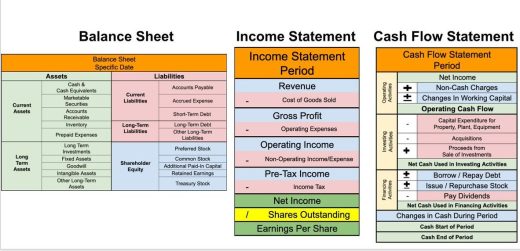
Being data-driven means much more than access to reliable information. How and when you typically engage your info when there’s a potential problem to resolve, or a decision on the table—and even when good fortune allows you to enjoy smooth sailing for a while? So, if your relationship with your data resembles a standing appointment, a special occasion meeting that you faithfully keep once a month, it’s time to join the 21st century? Business owners and leaders who are data-driven IRT know that consistent attention to the data is how you leverage the resource. Identify a small set of meaningful “go-to” metrics—KPIs— to consult because you know they reveal pivotal aspects of company performance. You might choose to follow certain CRM marketing metrics; you’ll definitely refer to your monthly financial statements—Balance Sheet, Cash-flow, P & L—and take a once-a-week peek at, business vital signs that shine a light on basic functioning, such as top line revenue, operating margin, operating cash-flow and the quick ratio calculation. The goal when reviewing your numbers is not to sweat every small fluctuation, but to notice and investigate repeating patterns that could signal the need for a response.

Business owners and leaders who know that the best results are achieved by those who pay attention and act when necessary, avoiding the trap of analysis-paralysis. Verification is a good thing, but refusing to heed the story your KPIs tell you is a waste of your investment in data. It is sometimes wise to wait and see, to confirm the context and avoid a hasty response. But many owners and leaders of also-ran companies tend to hesitate when the picture the data reveals is clear, but perhaps unexpected. Being data-driven is about knowing not only which metrics matter, but also having the discipline and confidence to take action before competitors or other marketplace factors get there first. Winners are able to both interpret the data outcomes and trust the evidence, even when it challenges assumptions. That discipline is what ultimately turns data into a long-term advantage. Companies that consistently outperform others tend to:

  • Monitor KPIs—identify a small set of meaningful metrics to track
  • Look for pattern verification—do two or more metrics indicate that something needs your attention?
  • Make a course correction when necessary
  • Learn quickly from results

Make reviewing reports a weekly activity

The many demands and uncertainties of the 21st century marketplace have expanded the responsibilities required to effectively manage a business. Being data-driven means much more than access to reliable information. How and when you typically engage your info when there’s a potential problem to resolve, or a decision on the table—and even when good fortune allows you to enjoy smooth sailing for a while? So, if your relationship with your data resembles a standing appointment, a special occasion meeting that you faithfully keep once a month, it’s time to join the 21st century. Business owners and leaders who are data-driven IRT know that consistent attention to the data is how you leverage the resource.

Monthly, or even quarterly, reviews of certain reports were once standard—but if you aim to be responsible steward, it will be necessary to be more vigilant. By the time a quarterly report suggests that a certain development could be a problem, the trouble may have been brewing for weeks. Even a monthly review of KPIs can give too much of a head start to a matter that’s about to become urgent. One of the ways that stronger organizations maintain an advantage is to proactively pay close attention to business activity. Smart owners and leaders check their guiding KPIs frequently and, depending on your business, that could be weekly, or even daily (especially if you operate a restaurant). Looking to see whether things are moving in the right direction and thinking about an intervention you can put into motion if they’re not, is standard stuff these days. You want trustworthy forecasting that helps you avoid unfortunate surprises. Hot points might include:

  • Change in customer demand patterns—are certain customers not reordering as often as they once did?
  • Weakening customer engagement—are your usual social media groupies responding to posts less frequently?
  • Early signs of margin pressure—are prospects hesitating and pushing back against your pricing?
  • Is a supply chain obstacle increasing the amount you pay to acquire what you sell, or are you waiting longer to receive orders?

Understand which customers deliver the most growth

Business growth can be misleading and make you surprised to find that what appears to be growth has a shadow side. Meaning, your Profit & Loss Statement can reward you with an increase in quarterly revenue and simultaneously punish you with a shrinking profit margin that’s occurring because the cost of producing or acquiring the products or services you sell have increased. If you decide against raising prices because you fear that customers will not accept an increase— A savvy data-driven leader will turn to the metrics to research questions like:

  • What factors have caused production or acquisition costs to increase?
  • How can your company more efficiently produce the product or service that is sold? If you can make better use of your time, what you gain can be applied to another task and that may save you money. If you acquire what you sell, research the availability of vendors who may offer a lower acquisition cost and attempt a supply chain remedy.
  • Consult your CRM data and learn which customer segments or acquisition channels have a positive impact on growth—bring in the most revenue, profit and your highest Customer Lifetime Value. Also, are there certain customers who generate the most repeat business and referrals?

Treat pricing as an experiment

Pricing strategy is one of the most powerful factors in any business and yet many organizations treat it like a permanent decision — something set once and revisit occasionally. You may find, however, that once you’ve decided whether your company’s market position— high end, mid-market, or economy and identified the optimum profit margin range needed to make the entity viable, you can be more flexible about the prices you set than you may have imagined. Why not approach pricing as a learning process that’s supported by your CRM data? They analyze how different segments respond to price changes or special discounts. It may surprise you to learn that what appears to be business growth has a shadow side.

Your P&L is showing you a nice increase in quarterly revenue but disappointing you with a shrinking profit margin—maybe because of a supply chain issue—you may not be boxed in by a competitor who can afford to price more conservatively. Maybe you can make a modest price increase and make it work?

  • Are certain customer segments more sensitive to price increases while others are resilient?
  • Is there a good strategy to help “sell” customers on your price increase?
  • Will a small price increase change customer behavior?

Experimentation doesn’t need to be complicated. Small controlled tests can reveal a lot about what customers can truly value. Price increases can be passed to new customers only. Long-term customers may be more likely to accept the increase when you contact them personally and explain your now higher production, acquisition costs, or other operating expenses. They will get it. Extending the payment terms to customers who may have difficulty adjusting to an increased price might also be a good solution. Over time, these insights and experiences may lead to smarter pricing decisions and healthier margins.

Thanks for reading,

Kim

Image: © The Corporate Finance Institute

Give Your Personal Brand A January Jumpstart

FACT: You have a personal brand—whether or not you realize it or choose to manage it. You may prefer to let it be and let your business acumen and client list represent you, and they are undeniably important factors. Nevertheless, be advised that your personal brand is your reputation. It sums you up, in a brief sentence or two, in the minds of peers, competitors, prospective clients and perhaps even power brokers whom you’ve yet to meet but could still, some day, be in a position to evaluate you, however quickly, and advance or limit your preferred business trajectory.

Especially for Freelance consulting experts and other business owners, the personal brand has impact. Rather than leave public perceptions of who you are and what you stand for to chance, it is far less risky to develop and present your personal brand narrative yourself—perhaps with the assistance of a public relations expert or a business coach whose background is not in behavioral therapy or counseling, nor exclusively in traditional employment, even at C-Suite level, but rather in boots-on-the-ground independent business ownership, Freelance or otherwise, and preferably a coach who has had public relations/ marketing responsibility.

Defining your Personal Brand

I’m no fan of Jeff Bezos, but nevertheless, I feel his definition of personal brand is spot-on: “Your brand is what people say about you when you’re not in the room.” You can also assert a level of control over your personal brand, because it really is about you being yourself—on purpose. It’s both authentic (being yourself) and strategic (on purpose). You have actually have a responsibility to shape and define how you’re perceived, to the extent that it’s possible. Your personal brand exists to amplify your strengths, does it not?

Use storytelling to build, engage and connect with your community

Heads up—branding, personal or business, is not about your company colors and logo design. Those elements represent the company visually, but they cannot build your brand. Your story does the brand building. Branding expert Chris Do, founder and CEO of The Futur, has spent 22 years building design businesses and also teaching marketing creatives and others in search of client work how to succeed. Do quotes Michael Margolis, founder and CEO of Storied, a strategic messaging company: “A product, service, or organization without a story is a commodity.” Do emphasizes that when prospective customers and clients make a choice between a better product or a better brand, they choose the better brand nearly every time because they can relate to it.

Emotion matters. “Facts tell, stories sell,” Do explains. He encourages those with a brand to build and manage, like you, to share your journey. Tell it like it is—be real about your failures; make people feel what you felt. Author and actress Maya Angelou famously said, “I’ve learned that people will forget what you said, people will forget what you did, but people will never forget how you made them feel.” Always remember that your stories can never be copied by competitors. They describe and define you and they are authentic. Use your stories to stand out in an oversaturated market.

As Do sees it, your background isn’t baggage, it’s your superpower. “The origin story of you is the easiest one to tell because you’ve lived it,” he says. Your home town, what your dad (and/or mom) did for a living, the cultural references that were the foundation of the values that guided your parents as they raised you, the stories that they, and your aunts and uncles, shared with you at home and at family gatherings all shaped your worldview. Like Senator and presidential candidate Bernie Sanders of Vermont, a New York City native who grew up in Brooklyn, do not be afraid to keep your accent, your cultural references and your unique expressions. Your story creates cultural currency that connects you with your audience and brings them into your community. Don’t be self-conscious and hide the unique characteristics that define you. Do recognizes those quirks of personality and expression as shortcuts to understanding and trust with people who share similar experiences or just find your background fascinating—and authentic.

Take your personal brand public

Building and sustaining your preferred personal brand requires public exposure and your currency as a Thought leadership is often one of the first thing people think of when they think of a personal brand. You might publish an e-book, but there are other brand-building tools—such as publishing a blog or newsletter, appearing on webinars and podcasts and becoming an active and visible member of a local business group or national professional organization. It’s a great idea to Google yourself to see which links and images appear first and decide what you want others to see when they search your name and your company’s. What impression do your LinkedIn and other social media profiles present to the public? near the top of the search results? Update your headshot, reassess and align your headlines, perhaps revisit your unique selling proposition and align the description across all platforms. 

Finally, evaluate your network connections and go about building a community that is mutually beneficial. Your network is about quality, not quantity. Seek out professional connections across industries, functions, and even geographies. Furthermore, say yes to attending networking events, especially when they’re in-person. So what if you’re doing Dry January—order a sparkling water with a slice of lime and call it your mocktail!

When you meet new people, focus on generosity. Offer helpful introductions, send links to relevant articles, share timely insights. Always follow up. To all who’ve given you a business card, send a quick message to say something like “Great to meet you! If I can be of assistance, please reach out.” You want to do what’s possible to politely encourage beneficial relationships that reinforce your brand.

Thanks for reading and Happy New Year,

Kim

Image: © George Marks (photographer) circa 1950s “Man in the Mirror”

How to Choose the Right PR Expert

When the goal is to promote your business, to spotlight a product or service or nurture your brand, for instance, it has been convincingly demonstrated that your marketing content is king. Promotional content, packaged as relevant information, has become a highly effective vehicle for businesses looking to build reputations and engage with audiences. When appropriately developed and presented on platforms trusted by the target market segments, good PR/marketing content can convey the story that a brand needs to publicize. If you have at least a modest talent for promotional marketing, you may be able to perform reasonably well as your own in-house PR/marketing specialist. However, should you have a big project in front of you—like maybe the launch of a new service or product? An objective assessment of the task may tell you that the talent of a marketing expert who is also a public relations savant, who knows how to wordsmith an old-school press release and send it to the right media outlets and also stir up tempting social media posts for placement on platforms that your target market follows. Your ideal PR/marketing expert will no doubt get you featured on a podcast (or webinar) or two as well, to let your audience see or hear you in action.

It could be that you’ve never worked with a PR expert, whether Freelance or employed by a promotional marketing firm. You may have had conversations with one or two such individuals and they may have promised you the moon as they enthusiastically made it sound as if you would be featured in a well-known newspaper or magazine (could that be the New York Times business section, above the fold?) and maybe a television spot, too (OMG, maybe The Today Show?).

However, you may have come back to planet Earth and concluded that it’s better to refrain from diving into the deep end of the swimming pool, as you recognize that the best-told story that some PR “experts” tell is the one used to sign gullible prospects. So, when searching for an expert to develop and guide your PR/marketing content and roll-out, choose carefully. It’s imperative that the person or firm you work with understands where your business is now, “gets” the logic of your big picture goals and is able to construct and communicate a narrative that will advance your mission. Here are six qualities to inform your search for PR/marketing talent that can drive your business goals.

1. Displays trustworthy behavior.

Ultimately, you must be able to trust the PR expert, just like you trust your bookkeeper, accountant, or attorney. Whether you prefer to work with a Freelance or agency expert, you must trust that this individual understands how to shape, present and distribute your story in a way that supports your overall business goals. As you interview potential candidates, ask questions that shed light on client retention rate—has your potential PR expert worked with at least a few clients for a number of years? Repeat business is an excellent barometer of performance and trustworthy behavior. A Freelance or agency PR expert who has long-lasting client relationships—partnerships, really—demonstrates the essential qualities you seek.

2. Understands your big picture business goals.

The most highly valued skill in the PR industry is strategic planning, according to a report published in 2023 by the global data and business intelligence platform Statista. In other words, you should be able to regard your PR expert as a strategic partner and more than someone who gets you a guest spot in a webinar. Your PR expert, whether agency employee or Freelancer, should be prepared to serve as a trusted adviser who is able to seamlessly merge PR initiatives with your business goals. Stories must do more than promote products or services or announce your presence at a prestigious event. Effective PR is about engaging audiences and building lasting relationships, along with a noteworthy brand.

3. Recognizes your potential best stories.

Before a PR/marketing professional can create effective campaign content, the story determined to be best suited to achieving publicity goals must be identified. Your PR sherpa must have a feel for asking the client (you) questions that surface stories capable of building a compelling narrative. The most valuable PR experts are story finding geniuses. A content-savvy PR expert will have a time-tested script that s/he follows to tease out the most newsworthy hook that will allow your company’s story to stand out from the rest. Real PR experts have always been storytellers and the most successful stories are those that are authentic. They are the stories that cut through the ongoing roar of the crowded marketplace because they go beyond merely promoting products or services. These stories skillfully engage audiences in ways that build lasting relationships. When interviewing a prospective PR expert, ask for information on performance metrics that reveal not only audience reach and impressions, but also viewer engagement.

4. Knows the right content distribution platforms.

In the 21st century communication environment, it has become obvious that creating desirable content is just the beginning of a successful campaign. Your target audience must also notice your content and drawn to view it—and placing your content where your audience will see it demonstrates the importance of content distribution. In order to reach your target audience, be aware that there is no one-size-fits-all content distribution formula. In your interview with prospective PR Freelancers and agencies, you’ll be wise to ask for verification of strategic choices made for the client’s best distribution platform for each story. The channels utilized should be selected based on your target audience and goal.

One of the challenges—and opportunities—is the multichannel maze. PR and marketing campaigns can no longer rely on one channel or strategy. It is now required to focus on multiple platforms that each play a part in the overall story. For instance, content that works well on LinkedIn may fall flat on TikTok, even when there’s value to be found in posting on both platforms. Effective content distribution demands a deep understanding of audience behavior and content trends; it requires PR professionals to be agile and creative in their approach.

It is also necessary to plan for the impact of the metaverse, the constant recycling of content that typically includes comments made by influencers and those who consider themselves stakeholders (for reasons that perhaps only they themselves understand). Again, your PR expert must learn what content works for your brand and your big picture goals.

5. Uses relevant metrics to drive campaigns.

The best PR Freelancers and agencies understand the importance of campaign performance analytics. Before any project begins, forward-thinking PR experts will focus on the client’s business goals and design content to achieve a brand’s desired results. Your PR expert should be able to seamlessly blend analytical knowledge with your business goals. PR professionals now need to have the strategy and skills to tie their work to bottom-line business results such as increases in sales, web traffic, or sales numbers.

6. Beware the digital PR campaign pitch

Finally, in the rush to embrace advanced technology, digital PR campaigns are increasingly offered as an attractive method to enhance brand visibility, build authority and boost Search Engine Optimization results. Digital campaigns are being sold as the most cutting-edge way to get a company and/or product into the highly coveted search list Top 10. However, clients may not realize that the promised outcomes may be an illusion. When evaluating digital PR, it’s imperative to recognize and fully understand the risks.

Recommendation of press release syndication is a red flag. Press release syndication typically results in low-value media placements that are seldom noticed by your target market; following this strategy most likely will not benefit your SEO or communicate your story. Misrepresenting paid media placements as organic PR is unfortunately another digital PR practice that can cost your business a 4-figure fee but without delivering the value you thought you were paying for. Some PR independents or agencies may claim to provide real digital PR services, but in reality, they just use third-party press release syndication services.

Disappointingly, even properly executed digital PR campaigns frequently do not succeed because the distribution is patently ineffective. A client may spend $5,000 to $15,000 on a campaign, but if relevant media outlets don’t pick it up the hoped-for backlinks, for example, will not materialize. This is especially frustrating for clients, as they have no certainty about what they’re getting for their money. It’s a risky investment, and unfortunately, the outcome can sometimes be nothing but lost money.

Thanks for reading,

Kim

Image: © PictureLux/ The Hollywood Archive. Swedish actress Anita Ekburg (September 1931 – January 2015) creates brand-defining content in Rome’s Trevi Fountain on December 31, 1959, while filming La Dolce Vita (1960, directed by Federico Fellini).

Is Your Content Shareable?

Whatever format you use to create content intended to promote your business, your mission is to communicate the essence of your brand: the solution, purpose, value and benefits that persuade clients and prospects to trust your product or service and motivate them to take a positive action in response—give a like, comment, share or make a purchase. When content viewers demonstrate their approval by taking one or more positive actions, they become brand cheerleaders who amplify its power and influence. Needless to say, instilling a deep connection to your brand is highly desirable and it’s very much in your interest to produce marketing content that generates strong positive responses in your target audience viewers.

Effective marketing content is a carefully calibrated mix of text, still images and/or video, often presented in digital format but occasionally appearing in print, that collectively tell a story about your service or product. Your number one goal is to make the story compelling, memorable and also shareable—you want content that builds enthusiasm for your brand and the story and persuades viewers to become cheerleaders. When viewers feel that the story told in your content is so compelling and memorable that they feel they must send it to others, you’ll know that you’ve done your job. The content might even go viral, or at least greatly exceed the usual number of viewers, likes, comments, or shares. The question is, how can you hit a home run like this a lot more often? Well, like becoming a reliable home run hitter, good results are produced by discovering the right technique and getting lots of practice.

The best marketing and branding campaigns have as their foundation an essential human quality that inspires a connection with viewers. That behavior is familiar and relatable; it can be comforting or exciting. Its effect promotes engagement that can lead viewers to take an affirming action, such as responding with a like, share, or comment, and/ or purchasing the service or product. Producing content that contains text and images that reflect your brand promise and perceived value is foundational to motivating viewers to take one or more of those positive actions.

“How do I love thee, let me count the ways”

As poet Elizabeth Barrett Browning (1806-1861) wrote in Sonnet 43, it helps to understand the emotion that fuels your action. When building marketing content, it’s imperative that text and images used work hand in hand to address the client’s point of view—pain point or goal, possible solutions and outcomes. It’s also important to acknowledge the feelings that clients can expect to experience when doing business with you, such as relief and satisfaction, in contrast to doing business with a competitor.

This analysis supports development of a highly persuasive story that references the right behaviors and emotions and ensures that your content convincingly resonates with target viewers. By understanding the brand position occupied by your services and products, you can effectively differentiate from primary competitors by highlighting the strengths and other advantages that are highly valued by your audience. Your story is certain to stand out thanks to its emotional connection with viewers. Effective marketing is all about communicating unique differentiators that leave a meaningful, lasting impression that rises above the noise of a crowded market. Addressing the questions below should give a good start to your content creation:

  • What emotions do prospects experience before they use your product or service? What pain point drives them to consider your service or product?
  • How do clients feel after they’ve used your service or product?
  • How do you want prospects or referrers to feel after experiencing your marketing content?
  • Which values and behaviors most closely correspond with your brand promise and unique selling proposition?
  • How do behaviors associated with your brand compare with competitors’ brand positioning? (expressing differentiation is essential).

End with positive emotions

The final impressions expressed in the text and images of your content must leave viewers with a positive feeling toward your services, products and company.  That your product or service delivers an excellent solution can be considered a given; it’s the human connection that leads viewers to perceive your content as a compelling and memorable experience. When content resonates with the audience on a human level, it taps into feelings, values, or aspirations that often surpass the functional aspects of products and services.  

A truly successful branding campaign needs more than clever text and eye-candy images. Effective marketing is about presenting messages and a story that resonates with viewers and generates an emotional connection with them. While many brands obsess about going viral, sustainable success comes from creating stories that are worth sharing because they tap into human behavior and stir viewer emotions. The best content becomes memorable and inspires the viewer to take action. When you present content that accurately represents human behavior, viewers cannot help but identify with your story. Then, you go beyond merely selling a product or service; you create an experience and a valuable, long-lasting connection.

Thanks for reading,

Kim

Image: © Philadelphia Museum of Art. Mary Cassatt Maternal Caress (1896)

More than Noise: PR Takes Your Brand to the Top

There are several ingredients in a recipe that results in the creation of a successful business and a good reputation is surely one of them. Reputation, more commonly known as the brand these days, is also comprised of several ingredients and a savvy public relations strategy is one way you can influence the perception of your entity’s brand reputation.

A well-conceived and executed public relations campaign has long been recognized as one of the most powerful strategies available for building a successful brand reputation. The goal of PR is to shape and manage a brand’s reputation and credibility by employing selected media outlets to reach target audiences and cultivate a favorable impression of the brand. Because the perception of a company’s brand influences the degree of success that it achieves, a favorable brand reputation will help position a company to grow and prosper.

Launch a PR campaign for yourself and/or your company by contacting selected media outlets and sending information about an activity in which you (and by extension the company) will participate, or another story line that may interest the outlet’s readers, viewers, or listeners. In a written document known as a press, or news, release, include the basic facts of your story, a brief bio of yourself and your company and a professional-looking photo of yourself. In a day or two, follow-up with the recipient of the press release to gauge the interest level in the story and the possibility of its inclusion in a future issue or broadcast.

An effective PR strategy

By using a strategy of targeted messaging campaigns designed for print media, digital outlets including webinars, videos, or podcasts, speaking engagements and other personal appearances, plus the interaction encouraged by social media engagement, companies and individuals have numerous options for enhancing the perception of their brand within the target audience. Effective and consistently orchestrated PR campaigns create conditions for brand awareness and loyalty to take root over time.

To structure an effective PR campaign specific objectives, messages that resonate and media outlets that are trusted by the target audience and appropriate for your campaign messages and objectives, are critical factors. Knowing target audience motivations for using your company’s products or services provides the campaign talking points. You can tailor PR messages around themes that align the brand narrative with important concerns of the audience. Make sure that your PR messages are clear, concise and consistent across all media outlets used.

A persuasive brand narrative

An important feature in a successful PR campaign is developing a brand narrative that engages your target audience while also differentiating your company (and you) from competitors. To be persuasive, the brand narrative must be perceived as authentic. Drafting a persuasive brand narrative requires that you first identify and define the core values, vision and mission of your organization and second, that you understand what target audience members expect to achieve or solve when they use your company’s products or services. Showcasing the unique qualities and value proposition that distinguish the company, individual, or product from competitors is also integral to developing a persuasive brand narrative.

Again, the brand narrative must feel authentic to the target audience. Authenticity in PR messages enables the development of lasting relationships by building trust through communications that reflect the individual’s or organization’s values. A consistently communicated brand narrative can eventually come to embody the brand reputation. In that way, effective PR becomes the secret sauce that enhances your company’s reputation and renown in a noise-filled, hyper-competitive business landscape.

What is newsworthy?

Regardless of the size of your business, obtaining (positive) media attention is possible and highly recommended. Editors, publishers and hosts choose the stories or guests they’ll spotlight based on who and what can be expected to generate an audience. The best way to determine newsworthiness is to consider the media outlet’s audience and what might be of interest to them. Will your story or information grab their attention? Below are typical factors that impact editorial decisions.

Impact. A story or person that appeals to many readers, viewers, or listeners and is therefore expected to attract a sizeable audience or many clicks is considered impactful. Estimate the impact that your story will have on the media outlet’s audience.

Human interest. Connecting with the audience emotionally is an effective way to bring attention to a story. A story or guest that is relatable has the power to attract a good audience.

Relevance. How important will your story be to the audience? In your press release and in the first sentence of your talk or article, can you share one or two surprising, if not shocking, facts that will grab audience attention?

Prominence. If prominent people or organizations do business with you and your company, media gatekeepers may assume that their audience wants to learn how you captured the attention of VIPs and that could lead them to include your story.

Timeliness. Your information or story will be more readily accepted if the action will either take place in the near future, or happened recently.

Scale PR for small business

The best PR can’t be bought (without a generous budget), but affordable and effective PR strategies and tactics can be designed to fit within most budgets. Social media has found a place in PR because the medium allows brands to interact directly with the target audience, encouraging an immediacy and relatability that audiences find authentic and conducive to building sustainable brand loyalty.

Be advised that incorporating social media into your PR campaigns is most effective when you follow regular posting schedules designed to keep fans and followers engaged and informed with meaningful content. Your postings may include updates on a talk you’ll give, a webinar you’ll host or participate in, best practices updates for your products or services, your most recent blog or newsletter post, or your thoughts or experiences about trends in your industry.

Thanks for reading,

Kim

Image: © Ron Galella. Jacqueline Kennedy Onassis and celebrity photographer Ron Galella on Madison Avenue in New York City (1971).

Strategy: Win a Business Award

One often-overlooked business strategy that brings many benefits to a company is competing for (and winning!) a business award. Competing for a business award and being named a finalist, that is, eligible to win first, second, or third prize, is a big vote of confidence for the chosen organizations. The recognition sets your business apart from competitors, implies credibility and expertise, enhances your company’s brand and stature and is almost certain to increase the number and quality of prospects, clients and referral sources your business receives.

There are more ways to win than you might think. Sponsoring organizations are typically generous with the number of awards and categories they choose to honor. More awards and more categories are an incentive for business owners and leaders to become contestants because there will be more opportunities to win. More contestants means more entry applications received by the sponsor and more tickets sold to the awards banquet (when those activities resume), since every finalist will buy at least one ticket and some will buy a table.

In addition to its role as a revenue enhancer, sponsoring awards is good PR for the organization, which could include the bank where you keep your business account. The awards not only distinguish the group as a prominent member of the business community, but also attract and help to retain members (or customers). In the best of American traditions, business awards are a way for many to make money. That could mean you, too.

Full disclosure—-as a result of the destabilizing impact of the coronavirus shutdown, I declined to accept an invitation to return as a preliminary round judge in The Stevie Awards/ Women in Business category (there are eight in all), an honor I’ve been happy to receive for six of the past eight years. Judges are neither paid, nor do we pay to participate. I do it because I enjoy experience and it looks good in my bio. https://stevieawards.com

Be advised that as with any marketing campaign, there are expenses involved. You’ll be required to join the sponsoring organization. You must pay the award entry fee for every award category that your company pursues—-best new product launch, business of the year, best workplace, social responsibility award and so on. You must buy one or more tickets to the ceremony (even when it’s virtual). The awards process could represent the entirety of your outfit’s annual marketing budget.

The time needed to prepare your award entry and determine which supporting documents will best communicate who you, your team (if applicable) and your company is another cost. Creating an impressive and persuasive entry application can be a laborious and time-consuming undertaking.

Furthermore, an assessment of your company’s readiness to pursue an award may reveal that it would be advantageous to build for 12-24 months before your organization is prepared to compete for an award. But that’s OK. Taking steps to analyze the strengths, weaknesses, opportunities and threats of your organization (are not most of us facing the threat of the COVID economy?) will pay dividends in and of itself. Just be objective about your company’s chance of winning and understand the time and money likely to be involved.

Choose a target award

Potential contestants are advised to do some homework and discover awards that are sponsored by local, regional and national organizations, whether business networking organizations (chambers of commerce), industry-specific associations (such as the Bar Association for attorneys), or your business bank. I recommend that your initial forays into awards campaigns focus on local sponsors, particularly for those of you who are Freelance consultants and small business owners generating less than $500,000 in annual gross revenue.

After compiling a draft list of possibilities, check the award entry criteria. It’s likely that candidates must join the organization in order to compete for an award and that will be your first expense. Annual dues may run from a few hundred dollars to $1000 or more, depending on the sponsor. Confirm also when new members will be eligible to compete for an award. Next, investigate other entry facts—-the entry application deadline, the fees and whether candidates must be nominated to compete for the award.

Read the specs and select the categories in which you can expect to do well—-excellence in your field, customer service, new product or service launch, community outreach, environmentally-friendly, for example. Within the categories offered, where might your company step to the front of the pack?

Finalize your choices and prepare to compete, being sure to give yourself ample time to collect, evaluate, or create the supporting resources you’ll need to enter. The good news is that if you plan to enter more than one category, most of the content developed can be used in multiple entry forms.

Tell a compelling story

On nearly every award entry, there’s a section that asks for more details about your business, your team and you. Be sure to provide all of the information that is requested and as well, tell a story beyond the statistics. Let the judges feel your personality and understand what makes your business stand out. Here, you can share unique information that might not fit elsewhere in the entry application. Customize your message by sharing relevant success stories and achievements that address the award category you are entering.

Construct a strong beginning, middle and end for your story. Reveal how you overcame challenges to reach new heights and back up your claims with hard evidence. Feel welcome to include good visuals like charts and graphs, or the persuasive appeal of client testimonials. Keep your application punchy and concise, using short sentences and statistics to underline key points. Bullet points are an effective way to ensure that judges can absorb your performance metrics quickly.

Describe what motivated you to launch the company. Detail the company’s vision, mission, guiding principles and values and what you and your team are passionate about and which accomplishments make you most proud. Tell your story from your heart. Before hitting the send button, or sealing the envelope for a hard-copy mailing if required, add a personal note and thank the sponsoring organization and the judges for their consideration of your entry. Then conjure up some positive thoughts!

Thanks for reading,

Kim

Image: The inimitable Academy Award, Golden Globe Award and Grammy Award winning actress-singer-dancer Judy Garland in A Star is Born (1954), for which she won the 1955 Golden Globe Award for Best Actress in a Musical

Bragging Rites

In our hyperbolic business environment, all working people—Freelance consultants, entrepreneurs, corporate executives and everyone else who must earn a living—are expected to promote their successes and ambitions in face-to-face conversations and social media platforms. Everybody has to be “on,” i.e., camera-ready and prepared to roll out an elevator pitch to prospective clients, an investor pitch to potential backers, or a sales pitch to browsing would-be customers.

Job-seekers sell their skills and work experience to search committees. Apartment-hunters sell their credit rating and rental history to landlords. The marriage-minded package and promote what they hope are desirable traits that will persuade Mr. or Ms. Right to swipe right. Everyone is pressured to sell themselves, but sounding like you’re selling is a turn-off. No one one likes an obvious self-promoter and heaven help you if people think you’re bragging.

While we’re busy telling possibly interested parties how talented, resourceful, creative and dependable we are, we risk violating a powerful social norm in American culture that prefers modesty, cautions Susan Krauss Whitbourne, Ph.D., Professor Emerita of Psychological and Brain Sciences at University of MA /Amherst. Bragging is not popular. Do an internet search on bragging, and you get 55, 900,000 results, including How to brag without making people hate you.

Communications consultant Peggy Klaus says the fear of being perceived as pushy and vulgar can lead professionals to hide behind modest self-effacement, even when speaking up about their accomplishments would be perfectly acceptable. Klaus, the author of Brag: How to Toot Your Own Horn Without Blowing It  (2003), says that the very thought of self-promotion is difficult for many to embrace, including those who are fully aware that they must create business in order to survive. “So ingrained are the myths about self-promotion, so repelled are we by obnoxious braggers, that many people simply avoid talking about themselves,” writes Klaus.

Valerie DiMaria, Principal at the 10company, a New York City firm that helps high potential executives at companies such as Verizon, L’Oreal, Raytheon and BNY Mellon reach the next level in their careers, offers encouragement to the introverted and shy. She points out that if the goal is to make a strong, positive impression at work, you must be willing to tell your story and bragging doesn’t necessarily mean boasting.

Di Maria suggests taking a calm, confident, matter-of-fact approach to sharing what’s special about you. Her firm offers leadership and communication coaching and she recommends these five tactics:

  1. Define your brand One of the best professional investments you can make is to learn to articulate your own value proposition, also called your personal brand. DiMaria explains, “A brand describes who you are, what sets you apart from others, what you contribute and what you want to accomplish. In this information-overdosed world, a brand helps you cut through the clutter and make a memorable impression.” So it’s important that you spend time thinking about how you can convincingly describe your secret sauce.
  2. Give your pitch at every (appropriate) opportunity DiMaria recommends that you “master the art of speaking up.” Create scripts that you can use in different business and personal encounters: an elevator pitch that is also a self-introduction, to use at networking events; a “small talk” version of your elevator pitch to use at social or quasi-business gatherings; and stories you can use whenever, to illustrate how your hard work and ingenuity produced results for an important project.
  3.  Give credit to everyone, including yourself   Always thank others for their contributions and don’t shy away from acknowledging your own contributions as well. Do not relegate yourself to the background. DiMaria wants you to remember to find a way to weave in your own role when recognizing achievement. “If your team accomplished something significant, you likely did something wonderful as well,” she says. “You’re not stealing the spotlight by describing how everyone contributed; you’re sharing it.”
  4. Amplify your reach with social media Complete as many sections of your LinkedIn profile as possible, so that visitors will find solid evidence of the depth and breadth of your professional and volunteer experiences. If you have only one or two recommendations, ask a colleague to write one for you that highlights a strength you’d like to highlight (and offer to write a recommendation in return). If practical, upload examples of your work to the Portfolio section, so that browsers of your profile can understand what you do and gauge the quality of your work. Search for groups associated with your profession and join one or two. Be sure to select the option to receive updates, so that you can join conversations every once in a while. If you don’t have a flattering photo that complements your professional aspirations, have one taken. If you’re feeling brave and ambitious, open a Twitter account that you’ll confine to business purposes and announce conferences that you’ll attend or courses that you’ll teach, if those are things you do regularly. If you get a promotion or receive special recognition at work for a job well done, share the announcement. You can do the same on Facebook. Always respond to replies and inquiries, since generating conversations is an important objective.
  5. Avoid the humble brag It’s impossible to ignore that Facebook, Instagram and Twitter accounts are filled with humble bragging posts that try to disguise boasting with a nasally whine (“Now that I’ve reached 500,000 followers, I never have time to cook or do laundry….I barely have time to sleep….”). Everyone sees through the humble brag and it does nothing for your integrity. If you have a success to share, own it because you earned it.

Finally, choosing to remain silent about your accomplishments can diminish your earnings. “It’s those who visibly take credit for accomplishments who are rewarded with promotions and gem assignments,” writes Klaus. As our economy has resulted in less job stability, self-promotion has become more important. Even if you aren’t a Freelancer or entrepreneur, advises Klaus, you need to think like one and start talking up your most valuable product: you.

Thanks for reading,

Kim

Image: Narcissus (1597-1599) by Caravaggio (1571 – 1610 Milan, Italy) courtesy of the Galleria Nazionale d’Arte Antica, Rome

Free Media Exposure

Media exposure can be difficult to come by for Freelancers and small business owners. In particular, “earned” media mentions,” i.e., publicity obtained through promotional efforts rather than publicity obtained by way of paid advertising, is usually the most effective form of media exposure and can go a long way toward enhancing a Freelancer’s brand.  A well-expressed quote in a respected publication can make a Freelance consultant or business owner look like an expert that smart people want to do business with.  Earned media exposure can be instrumental in helping a business to establish name recognition and respect among its target customers.

The best tactic to use when looking to attract the interest of reporters and editors is to position oneself as an expert. The good news for Freelancers is that everyone who provides professional services to paying clients is considered to be an expert in his/her field. The public welcomes and trusts tax tips recommended by an accountant and legal advice offered by an attorney. In addition, those who’ve authored a (nonfiction) book, whether traditionally published or self-published, that addresses a topic that editors feel would interest their readers can also be chosen to receive valuable earned media.

When you’ve made the decision to pursue earned media exposure for your organization, Step One is to decide where you’d like your story or quotes of your expert advice to appear. Research local online or print publications and assess the stories that are featured. You might start with your neighborhood newspaper or a publication that specializes in business topics. If you belong to a business or professional association, by all means look into contributing an article to the newsletter, getting your book reviewed or mentioned, or getting yourself quoted. Hint: active members always get publicity.

Step Two is to learn the identity of the reporter or editor who covers your topic. The easiest thing to do is call the publication and inquire. While you’re on the phone, find out when the publication is on deadline and avoid calling the reporter or editor at that time.

Step Three is to write a press release that makes editors and reporters want to follow-up on your story. Make your press release attention-getting with a good headline. Instead of trying to be witty, just give the facts. A good headline might be: “XYZ Biz wins Chamber of Commerce award.”

In the first paragraph, introduce one key newsworthy fact or piece of information in a single sentence, such as “XYZ Group today announced plans to open a solar-powered restaurant by late 2019.”

A common mistake in writing press releases is using it to tell the entire story.  “People write way too much. Tell them what the story is about and why it would be good for their audience,” advises Paul Krupin, former attorney and founder of iMediaFax.com, a media advisory service in Washington state. The press release should not be the first draft of a reporter’s article.  The purpose of your press release is to entice a reporter to contact you and write your story, or persuade an editor to assign your story to a staff reporter.

Furthermore, don’t make the mistake of trying to sell your product or service in the press release. “The media is adverse to anything that looks like advertising,” Krupin warns. “They want to educate, entertain, stimulate, or provoke their audience.”

BTW, there are subtle yet substantive differences between the journalistic needs of print, radio and TV media outlets that reflect audience expectations and preferences.

  • “Print media focus on facts and figures. They talk about strategies,” Krupin advises.
  • “Radio and television don’t lend themselves to detailed information. It’s about sound bites, tone and excitement. For radio and TV producers, you want to tell them why their audience is going to love what you’re going to say, or hate what you’re going to say. The focus is on the emotional reaction: Why am I going to be entertaining?”

Be advised that media outlets are not interested in helping to publicize the products and services that Freelancers and other business leaders are trying to sell. Krupin, who is also the author of Trash Proof News Releases (2001), works closely with his clients to tease out a story angle that could interest readers or viewers of the target media outlets. “What do you know that people don’t know, but they would like to know?” he asks.

For example, Krupin recommended that a photographer discuss how to hang pictures, rather than discuss the technical aspects of how to take pictures. The two created a press release that led to a number of print articles that featured his photographer client as the expert.

Finally, be patient as you wait for the ROI from your earned media. A customer may contact you months or even years after reading about you and your business. A reporter could contact you several months later to get insights on another aspect of your topic, which would result in still more earned media exposure.  Concentrate on developing an earned media strategy by identifying a story angle that would interest readers as you build relationships with reporters and editors who can give you the desired media exposure.

Thanks for reading,

Kim

Photograph: By Andrew Laszlo. Entertainment columnist and host of television’s longest-running variety show (CBS-TV) Ed Sullivan (l) interviews Fidel Castro in Mantanzas, Cuba in January 1959.

Make Your Next Impromptu Speech Great

Here is the scenario: You’re at the meeting of a local business organization, where you are well known. Forty-five minutes into the meeting, the organization Vice President sidles up to you and asks if you’d be willing to speak on a certain topic for 5 – 10 minutes, before the President delivers the closing remarks and adjourns.

You have just 30 minutes to prepare. How can you quickly organize your thoughts and create a concise and compelling speech that your audience will appreciate and that you’ll deliver like a pro? Here’s how you do it.

Attention

Every speaker must quickly capture audience attention. Open your speech with an attention-grabbing statement that expresses a point of view that you know most in the audience share.  Alternatively, you can surprise or even shock the audience with an unexpected fact or a provocative question.  When you open your talk, the goal is to draw  audience members in and persuade them to sit up and listen.

Credibility

Once you have their attention, you next show your audience that you deserve it. Earn their trust and respect when you reveal qualifications and experience that define you as an expert, or a person with special insights, who has timely and relevant information to share.

As a member of the host group you will automatically be given a measure of credibility, but you may have other qualifications that enhance your authority. The person who introduces you may share all, or part, of that background information. Stopping short of boasting, make known your claim to expertise.

Acknowledge success/ Identify problem

The organization leader who asked you to address the group will tell you what s/he would like you to achieve in your speech and if s/he neglects to do that, it is incumbent upon you to confirm the purpose of your talk.  Whether there is a recent victory to celebrate or a looming challenge to overcome, call it out and rally the support of audience members. Enthusiasm and passion, expressed in a way that your audience will expect and accept, is injected here.  Inspire unity for the cause.

Solution

Organization leaders may be planning to roll out an initiative and you may have been asked to speak to build member approval and solidarity around that solution. If there are good times ahead, the solution may be for members to continue their enthusiastic support of the organization and the cause. If turbulent times seem inevitable, the solution is the same. The purpose of your speech is to inspire loyalty to the organization and the cause.

Call to action

As your speech concludes you must give audience members an outlet and direction for their enthusiasm and commitment to the organization.  Should they sign up for a special committee that will implement the solution, be it celebration or problem? Or is this a fundraising initiative and you’d like to inspire commitment for contributions?  Give a deadline and urge immediate action.

Re-cap

End with a concise outline of the major points you made in the speech. Re-state the call to action and the deadline. Thank your audience.

Regarding general recommendations for public speaking, thank the person who introduced you when you take the podium. Keep your talking points simple and easy for the audience to remember. If you can weave into your speech a story that illustrates or summarizes an important point, so much the better.  As Travis Bernard, content marketing guru at TechCrunch, the thought-leader technology industry blog based in San Francisco, CA says, “What would be useful for my audience to learn and how can I package this lesson or bit of information in a compelling story format?”

Thanks for reading,

Kim

Image: Edgar Bundy (1862 – 1922, British) The Coffee House Orator, 1880.  Courtesy of Touchstones Rochdale Arts and Heritage Centre Museum, Greater Manchester, England