Find Your PR Sweet Spot

Establishing the image of your business entity as a valuable and noteworthy presence in its marketplace, and also the community in which it operates, is a worthwhile goal for every business owner. Bringing attention to the distinctive qualities and contributions of your business entity confers respect and confidence and portrays your organization as deserving of your business. The actions that an organization takes to disseminate and manage strategically selected information about an organization (or individual) that is intended to achieve that goal is the function of public relations, and it is part of a company’s marketing strategy.

Marketing, along with its subspecialties, advertising and branding, are discrete methods of communicating with a company’s target customers; business owners typically create specific strategies to activate these segments. All of these processes will, ideally, work in tandem to deliver your company’s message to your target audience—define and establish the desired company image, promote company name recognition, generate and maintain the trust of current and prospective customers that distinguish your organization from its competitors—and encourage sales.

PR vs. marketing, branding, advertising

Communication is the core of marketing and all of its subspecialties. The role of marketing is to build awareness and encourage sales of the company’s products and services by using one or more promotional strategies—for example, email marketing, social media marketing, or content marketing. The role of public relations is to generate media exposure and promote name recognition for the company, with the intention of encouraging (positive) interactions with current and prospective customers and, ultimately, to amplify the renown and respect of the brand. 

The brand is the foundation of the company’s reputation and represents its essence. The role of the brand is to establish and maintain a compelling and memorable image for the company and its services and products; the brand reflects the attributes that differentiate your company from competitors. The brand is often supported by a story that articulates the business vision, mission and core values. The branding process typically entails the creation of a brand identity, a personality and a perception, for your company and its services and products that will define how you would like current and prospective customers to feel about the company when they encounter or interact with its name and/or logo.

The role of advertising is to promote the sale of company services and products by using images, audio, and/or text promotions that a company pays to have featured in print or (audio or visual) digital media outlets that are followed and trusted by the company’s current and prospective customers, with the intention of increasing awareness and encouraging sales.

Media exposure and name recognition

As noted above, the function of public relations is to advance company name recognition and media exposure by facilitating mentions in selected media outlets, for the purpose of cultivating and maintaining a positive image. PR is meant to amplify the brand image by providing exposure (publicity) that presents positive and compelling information about the company that is intended to encourage engagement, customer loyalty and, ultimately, sales.

PR is utilized to give the brand a flattering shout-out that is featured in media channels and outlets familiar to and respected by target customers, professional peers and the community in which the company operates. PR is about creating buzz for your business, to pique the curiosity of current and potential customers and motivate them to experience a positive reaction toward your company.

PR’s principal strategy is storytelling and it’s up to you to shape your PR topic, images, text and narrative to tell your story in a way that achieves your goal. To maximize its effectiveness, design your PR to grab attention and capture the interest of the audiences you want to know about your company (and you). Those who encounter your company’s PR might even become interested enough to visit your website or social media platforms to learn more, or get an update, about your company.

So what does PR mean in real time?

There are about a half dozen subspecialties of PR that businesses commonly use, for example public affairs and crisis communications, but Freelancers and owners of small businesses are mostly interested in media relations as a way to obtain third-party credibility for their company when target customers, along with your professional peers and also the general public, might find positive news about the company supplied by an unbiased source.

Freelancers and SMB owners might consider launching a media relations PR strategy by leveraging your professional knowledge and experience to propose yourself to media outlets as an expert source. An expert source is a knowledgeable source who is invited to provide a quote that is included in an article or segment featured in a print, visual, or audio medium. Serving as an expert source is a desirable opportunity and is usually accessed by way of a relationship with a journalist or editor.

You might be able to initiate media relationship by simply telephoning or emailing business editors or authors of business articles at your preferred outlets. Be advised that Freelancers or SMB owners will be more likely to find success by approaching smaller media outlets. Perhaps an even better tactic can be used by those who place paid advertisements in those media outlets. A savvy and proactive move would be to reach out to your contact in the advertising department and ask for a referral to the business editor or the right journalist. The gatekeepers of most media outlets are likely to look favorably on an advertiser who also has the credentials to serve as an expert source on business topics.

Now when you have a potential story, meaning an announcement or other information that the media outlet’s readers may be interested in, the standard practice is to create and send a press release to initiate contact with your targeted media outlets. Your press release has two functions—first, to clearly and succinctly detail the who, what, when, where and why of your info and second, to initiate the process of cultivating media relationships.

Before you send your press release, confirm the media outlets to approach by telephoning or emailing the business editor and asking if there may be an interest in your story. No editor or journalist is interested in a story unless they feel the story will resonate with their readers or viewers. If you get the greenlight, then quickly follow-up by sending your press release. In a day or two, reach out to confirm receipt of your press release and ask again how the editor/journalist feels about the relevance of your information or announcement.

Yet another PR strategy, albeit one that will entail an investment of several hundred to several thousand dollars, is to campaign for a local, or national, business award. Organizations typically have many categories that provide multiple pathways to winning award. As is demonstrated by the music industry Grammy Awards and the movie industry’s Academy Awards, receiving an award is nearly always considered newsworthy by media outlets. If you’ve got a great client list and/or your sales revenue is solid, you may want to consider this option.

Access your PR sweet spot

  • Earned (unpaid) media PR exposure can be obtained by giving a quote to a media outlet that covers your area of expertise. Register with Help A Reporter Out (HARO), a service that connects journalists with expert sources has resumed operations after a brief closure. Invitations to give a noteworthy quote that addresses the requested subject are selected on a first-come, first-served basis can set you onto your path to amplifying your credibility and could open the door to additional PR opportunities. Stay close to your email.
  • If your budget allows, consider paid media exposure, perhaps by campaigning for a business or industry award that can be utilized to launch a PR campaign. If you win any level of recognition, you’ll be able to include the good news on your website and social media platforms, along with sending press releases to media outlets and channels that your current and prospective customers, as well as your professional peers, follow. From your local chamber of commerce to the Stevie Awards for business, nearly every award, local or global, is a reliable pathway to good PR.

Thanks for reading,

Kim

Image: ©Carl Mydans/Life Magazine. Actress Carole Lombard (1908-1942) and her husband, the actor Clark Gable (1901-1960), attend a movie premiere in Hollywood, CA (1936).

Email Marketing is Evergreen

Still known for the impressive return on investment (ROI) it delivers to users, evidenced by its ability to deliver personalized content that’s tailored to customer preferences as well as the ability to drive conversions, including customer purchases, more effectively than just about any other marketing channel, including social media. The evergreen marketing tool that is email marketing is the gift that keeps on giving. The strategy is a multi-purpose marketing tool that business owners and marketing managers are known to rely on when the goal is to develop and nurture customer relationships and initiate engagement that promotes brand loyalty, repeat business and customer referrals.

Email marketing is expressed in more formats than may immediately come to mind—it can be more than the basic email letter that clutters an inbox and is often deleted. Email marketing also refers to blogs and newsletters that recipients opt-in to receive, plus a range of other communications intended to deliver all manner of business information, such as service or product updates or special offers and personalized greetings, from holidays to customer birthdays. Not only that, marketing emails are also a convenient and effective way to invite customer feedback that gives business owners and marketers insights into what they’d like to see more of, or less of, in your products, services and operational practices. So—how does your company use emailing to carry out your marketing strategies?

Email is a familiar and well-accepted method of communication—in fact, your customers compose and send emails themselves. To maximize the effect of email marketing campaigns, marketers are recommended to create emails that amplify the message and persuade recipients to open, read and in some instances, save your emails—but never delete without reading. Because most people receive many emails every day, the first order of business is to make your emails stand out in a crowded inbox.

To grab customer attention and entice recipients to open and read your email, attach a subject line that recipients will find irresistible. You can also decide to shock or amuse recipients by crafting a provocative or unexpected subject line that promises to deliver surprising information. Subject lines that contain a relevant statistic, whether predictable or shocking, also make particularly alluring email subject lines.

Ideally, the email subject line functions as a “hook” that causes the recipient to linger for a few brief seconds and wonder—Is reading this email worth my time? Smart marketers have discovered that they can further enhance the perceived value of their emails by including a follow-up line of preview text that can further arouse curiosity or confirm that the topic is a priority for the recipient. Below are four components that build an outline for your emails and organizes the presentation of your content in a way that helps recipients quickly understand the purpose and relevance of your information:

  1.  The subject line is crafted to grab recipient attention. The right subject line substantially improves the success of email open rates. Research shows that recipients open emails featuring a subject line perceived as relevant. Almost half of all email opens rely on that first impression.
  2. Hold your recipient’s attention with a preview text teaser that contains approximately 10 words. Subject lines matter when you want your email recipients to notice, value and read your message. The The second line preview text will appear immediately beneath the main subject line in the email inbox. Do not ignore the importance of the preview text; it is an extra hook, especially for users checking email on mobile devices (and about 50% will do exactly that).
  3. The message content should maintain the recipient’s enthusiasm. Compose your information to communicate relevance and trust as it guides the recipient through your content’s message. Be sure to compose message content to convey your marketing strategy by aligning the themes presented in your blogs, newsletters, informational and relationship building emails.
  4. CTAs are crafted to persuade email recipients to take action on an offer by responding to your call to action. The CTA literally shows readers of your content what they should do next. In return, the reader will receive a benefit, which might be a free 30-minute consultation with you or one of your team members to clarify how your products or services can provide solutions they need, or maybe an opt-in to subscribe to your blog or newsletter, or maybe to receive a free e-book. Whatever the purpose of your CTA, make the benefit that recipients will receive one that is likely to be considered worthwhile. BTW, you will grow your mailing list when there is a response to your CTA because responding entails providing contact info, at minimum, recipient name and email.

Now—in addition to the marketing emails that you currently send, what other kinds of emails might you send to communicate marketing messages that can make your marketing campaigns more effective? Below are email strategies that might enhance your marketing goals.

A/B testing

How can you learn which subject line works best with your customers? Or do certain subsets of your target audience respond differently depending on how your subject line or other aspects of your message are phrased? You can find out who’s who by sending out two variations of an email to different segments of your audience to see which performs better. By testing elements such as subject lines, email layouts and call-to-action buttons, you can continually refine your approach to improve response and results.
Test two different subject lines to see which one yields a higher open rate and/or compare the response generated by two different email layouts in terms of click-through rates.

Automated campaigns

Marketing automation ensures that your marketing emails are actually sent at your preferred time. For certain messages, notably blogs and emails, you want recipients to look forward to hearing you at a certain time (like Tuesdays at 11:00 AM Eastern!). Further, a marketing automation system will ensure, for example, that welcome emails are sent in a timely fashion to new or returning customers. You also want to guarantee that emails sent as part of customer onboarding, special occasion or holiday greetings are likewise sent within your preferred timeframe—and you don’t necessarily want to rely on your memory to manually perform these functions yourself. Instead, setting up automated marketing campaigns to ensure that you maintain a consistent communication with subscribers, nurture leadgen and customer relationships without manual effort as you reinforce the dependability and professionalism of your brand.

Drip campaigns

Drip campaigns involve sending a series of emails automatically, based on pre-determined timelines of your choosing or they are triggered by certain user actions. Have you ever searched a certain business or category and then received an email a few minutes later from the very business you searched, or from a local business within that search category? If so, you’ve experienced a drip marketing campaign. Drip marketing campaigns are excellent for encouraging leads because they respond to your immediate need or inquiry with the siren song of instant gratification.

Interactive emails

Incorporating interactive elements such as polls, surveys, or clickable content can increase user engagement. Interactive emails are more likely to captivate subscribers, encouraging them to interact with your content and brand—for a minute or two. for example, you might a three or four question survey to learn of or confirm what your customers find most appealing about your organization, or learn what they’d like to see more, or less, of to gauge customer satisfaction and preferences.

Integrating with social media

Enhance your email marketing by integrating it with your social media strategy. Encourage your email subscribers to follow you on one or more of your social media platforms, and vice versa, to create a cohesive brand experience. This strategy can expand your reach and strengthen your online presence.
Foe example, you might include in social media posts a line or two of an upcoming blog or newsletter post, as a teaser.

Re-engagement campaigns

Aimed at lapsed subscribers, that is, previously active subsrcibers who are now inactive, these campaigns are designed to recapture their interest and where possible, to also learn the cause of the disengagement. This could involve sending special offers, updates about new services and/ or products, or simply asking for feedback on why they are no longer active customers. Their responses can offer valuable insights for future improvements. Devising a concise survey email that asks open-ended questions that give lapsed customers or subscribers the opportunity to give feedback that expresses what for them what was lacking or unsatisfactory, whether content to which they subscribed, as in a newsletter or blog, or an aspect of doing business with your organization.

User-Generated Content: reviews and testimonials

Showcasing content created by your customers, for example, reviews or testimonials, can significantly enhance the credibility of your brand. When you include UGC in certain of your promotional marketing emails, that can not only engage readers, but also provide social proof that encourages them to try your products or services and as well, enhance your brand’s authenticity.

Thanks for reading,

Kim

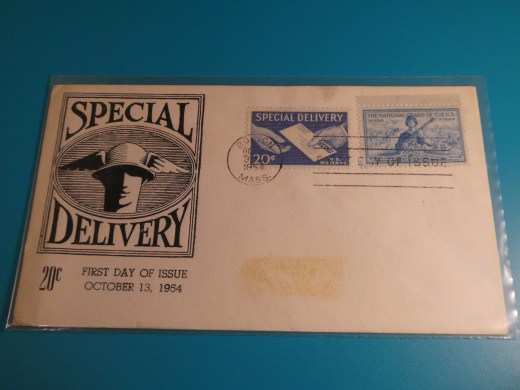
Image: Winged Mercury special delivery stamp issued in 1954.

Lasting Client Relationships Help Your Business Thrive

Freelance professionals and all business owners and leaders understand that they must periodically calibrate (and re-calibrate) their business entity so that it will be positioned to survive and thrive. While evaluating the potential success of growth strategies that appear to be capable of building a client list that enables you to achieve your revenue goals, do not overlook this basic business growth strategy—establishing good client relationships.

Good client relationships are foundational to the development of a healthy business and typically result in a potent client list, robust repeat business, consistent referrals and a low client churn rate. Implementing inbound and outbound marketing strategies in order to energize revenue is always necessary, but the process is usually time-consuming and by that metric alone, is expensive.

Recognize that you can enhance the value of your client list quantitatively, by adding more names, and simultaneously follow a qualitative approach to building the roster, when you prioritize the development of good client relationships. Establishing positive relationships with clients is a savvy marketing strategy that can play a supporting role in growing the number and quality of your active clients. Client relationships can support conditions that encourage client loyalty, repeat business and referrals, while simultaneously discouraging client churn. That the process of retaining clients and persuading them to continue doing business with your organization can be influenced by good relationships is so fundamental it is sometimes overlooked.

Beneficial client relationships are built on trust that’s born of the fulfillment of expectations (e.g., excellent project work and timely invoice payments), as well as transparency, communication and collaboration. More like partnerships than the usual transactional agreements between clients and vendors, clients with whom you’ve established a good relationship provide stability, inspire creativity and drive innovation that results in project outcomes that often exceed expectations. Below are qualities and practices that promote the development of beneficial client relationships that will pay dividends to both you and your clients.

1. Agreements, specifications and contract

It is a given that good client relationships begin with ethical and transparent business practices that are introduced during the initial project or product discussions between yourself and the client. Project specs or desired product solutions govern work agreements and performance milestones. Project contracts or sales agreements are intended to facilitate a smooth and productive collaboration and ensure that both the client’s interests and your interests are fulfilled. The quality of these discussions is integral to the establishment of creating good client relationships and transparency is key.

2. The customer experience

The quality and consistency of the customer experience your organization delivers is another building block of beneficial client relationships. The fact is, when your organization delivers an end-to-end efficient and satisfying customer experience, those with whom you do business will be happy to see more of you. When you (and your team) make it possible for clients to trust your expertise, professionalism, integrity and ability to meet or exceed expectations, you’ll be on your way to establishing mutually rewarding client relationships that can bring both tangible and intangible rewards to your organization (and the client’s).

As you shape the customer experience your company presents, be aware that “thank you” is a powerful word in every language. Saying “thank you” to your client for doing business with you shows appreciation and everyone likes someone who appreciates them. “Thank you” has the power to nurture and sustain positive relationships.

3. Communication and collaboration

You can build lasting, mutually beneficial relationships by facilitating good communication with your clients. Regular communication is integral to supporting collaboration, enabling innovation and producing outcomes that will likely meet, and may exceed, the client expectations. Honest and ongoing communication is crucial to gaining client confidence; be certain to keep your clients fully apprised of the project’s progress, challenges, or changes. Regular updates and transparent reporting demonstrate accountability, promote cooperation and enable proactive problem-solving that drives successful results.

As well, keep in mind that while technology enables communication at any time or any place, it cannot replace the value of face2face communication. When scheduling client meetings, suggest in-person chats whenever possible, as a way to encourage a good relationship. The Harvard Business Review reports that 95% of business leaders believe in-person meetings are essential for building stronger, more meaningful relationships. Alternating meetings between the client’s preferred location and your own shows consideration and empathy, attributes that are also integral to relationship-building. Keep in mind that business decisions are often influenced by personal relationships.

4. Listening and empathy

Effective listening is a cornerstone of relationship-building and good relationships are the foundation of business and diplomacy. Active listening is a demonstration of empathy and respect, and it builds trust. The ability to listen effectively is a valuable leadership skill and despite appearances, listening is active, not passive, and requires the listener to be fully present. When you invite your client to share information ask questions and perhaps brainstorm ideas, you validate his/her priorities and concerns and demonstrate your commitment to the development of a positive, long-lasting relationship.

Empathy allows you to see the world through the eyes of others and listening is a crucial enabler of the process.  Empathy helps you to effectively comprehend your client’s feelings, aspirations and challenges. Clients who feel as if they are understood will also feel that they are valued, making them more likely to become and remain loyal to your organization and more likely to reward you with repeat business and referrals. 

5. Flexibility and patience

Beneficial relationships rely on flexibility and patience. For example, there may be times when your client must grapple with unexpected challenges, such as time line changes or budget constraints. In these situations, your willingness to be adaptable and propose alternative approaches to meet revised client needs will demonstrate your commitment to the project and his/her organization, promotes trust and is likely to significantly strengthen the relationship.

Thanks for reading,

Kim

Image: © Skynesher for Getty Images.

Crisis Communications: Monitor and Defend Your Online Presence

Managing the online presence and reputation of a brand, whether personal or company, is no longer considered mere vanity or over-reaching micromanagement. Regular tracking and review of all content that pertains to your organization and shows up in searches—its services and products, the company itself and its leaders—including AI-powered searches, is now recognized as a necessity. Vigilant and consistent monitoring of information that appears online about your company and you, as the principal of your Freelance consulting practice or fractional executive, owner/leader of a traditional business, small or large, or not-for-profit organization executive, can be viewed as an aspect of risk management strategy.

It is imperative for all business owners and leaders to carefully shape and defend their brand’s online image and ensure that all information presented is accurate and leaves viewers of your content with a positive impression, meaning, a portrayal that encourages credibility and trust.

Unflattering or outright negative content associated with your brand, as well as inaccurate info, has the potential to undermine or damage your organization’s credibility. It is therefore highly recommended that Freelancers and other business owners and leaders regularly assess all AI-generated and online mentions of their company and personal brand and verify the accuracy of the information found.

Take control of your online presence

Integral to a comprehensive marketing campaign is building a digital presence that illustrates the competence and credibility of the organization. Online reputation management is essential to defending that carefully curated image, whether you maintain a solopreneur consulting practice, operate a small company, or lead a national or multi–national conglomerate. Failing to take defensive action and waiting until negative content has become an embarrassing crisis may cause an unfortunate outcome that stains your own or your company’s reputation.

Inspection tours are the how you’ll discover inaccurate information and/or negative content. Inspecting the search engines is Step One of your mission to defend and, if necessary, correct online information pertaining to you and your organization. Learning where and how to locate, edit, or suppress content that is untrue or unflattering is the most important step of restorative crisis communications activity. Proactive monitoring and strategic content creation will be central to maintaining control of your online image. The presence of negative content, which may include customer reviews and other user-generated content, can have a direct effect on company reputation and sales revenue: Approximately 94% of customers report that a negative merchant review on a review site persuaded them to avoid doing business with that merchant.

Step Two of your brand defense is the actual defensive action, where you may simply update information to correct what appears sites like Yelp or Google. More thought and time will be necessary if you discover content that is inaccurate and perhaps also misleading; in these cases, you may decide that a substantive reset of your brand narrative is in order. Your best defensive action will be to create and publish relevant, high-quality content that is capable of enhancing your online authority and burying the harmful content by pushing it further down in search rankings.

Google search operators

Re: your search engine inspection tours in most cases, a Google or Bing search of the brand will surface a comprehensive list of brand mentions. However, a more thorough search might locate additional content that you can review and if you discover incorrect information or harmful material on less popular search engines or on online communities, you can explore how to make corrections and/or counteract negative content with a post or two that displays your authority and integrity.

To take a deeper dive and search for potentially harmful content that might otherwise go unnoticed., you’ll be pleased to find that Google’s search capabilities extend far beyond entering a name into the search bar to see what appears. Dipping into advanced search operators will broaden your scope and, if it exists, may help you to locate negative content that does not appear in a traditional search.

To find what may be hiding in the shadows, launch an exact match search by placing your name in quotation marks (e.g., “John Smith” or “The Best Company”) to specify search results to that unique name and eliminate unwanted mentions. To further refine search results, you can exclude irrelevant pages using the minus sign. for example, searching for “The Best Company” -Instagram removes Instagram results and help your mission to dig up potentially damaging content pertaining to your brand that may be posted on less visible sites.

Furthermore, a site-specific search can help when you suspect that a particular domain features negative information about your brand. Typing the site domain address, followed by a colon and your company name will produce only results from that chosen site. It is also useful to search variations of your name, for example, “J. Smith” or “Best Company;” — subtle changes could possibly bring up mentions that do not appear in the traditional searches.

Set-up Google Alerts for ongoing monitoring

It is wise to be vigilant and regularly monitor your name online, to prevent damage before it spreads. Google Alerts is a free tool that notifies you whenever new content is indexed and includes your name. To get started, visit Google Alerts and enter your full name and company name along with relevant variations (e.g. “Jane Smith” or “Jane K. Smith”). Use quotation marks to ensure your alert captures the exact phrase. Then click “show options” to select how frequently you’d like to receive alerts —the “as-it-happens” option is best for reputation management. Set alerts to receive notification of name mentions and be sure to correct inaccuracies and gratuitously negative content. Counteract what is negative with relevant and compelling content that can potentially suppress unflattering narratives.

You can also filter alerts by geographic location and type of content, such as blogs, news articles, or discussions. Finally, enter your email address to start receiving updates. These alerts act as a digital early warning system. You’ll know immediately if a new piece of content starts gaining traction — giving you time to prepare a response or counter-strategy. Staying visible online requires more than awareness — it demands consistency and strategy.

  • Monitoring social mentions and online discussions

Negative content is known to more frequently begin on nontraditional search engines. Social media platforms, forums and blog comments can amplify by way of the metaverse effect and damage to your brand image can spread quickly—even as it never appears in traditional search results.

To really scrutinize your online presence, investing in the services of a social listening site such as EmbedSocial or AgoraPulse will detect online conversations that mention your name and your company name across blogs, Twitter, Facebook, YouTube, media outlets and more. Social listening platforms also provide sentiment analysis, an excellent feature that distinguishes between harmless chatter and attacks on your brand reputation. Most social listening platforms are a paid service but if a free solution will be more appropriate for you at this time, consider Talkwalker Alerts (by HootSuite). Incidentally, Talkwalker provides more extensive web and social listening coverage than Google Alerts and is easy to integrate into your workflow.

Finally, make a point to investigate online communities like Reddit and Quora. These platforms typically feature informal discussions and some have been known to quickly go viral. Get your investigation started with a targeted search— reddit.com:The Best Company to uncover mentions that might not appear on Bing or Google. Knowing what’s being said about you when you’re not in the room lets you know who your friends are and also gives you the opportunity to respond with a brand image defensive strategy.

Thanks for reading,

Kim

Image: © Behnaz Farahi. Gaze to the Stars, an installation created by Behnaz Farahi, Assistant Professor at the MIT Media Lab at the Massachusetts Institute of Technology in Cambridge, MA. Gaze to the Stars was displayed on the MIT Great Dome December 2024-March 2025.

Is Your Social Media Strategy Delivering?

Half the money I spend on advertising is wasted; the trouble is I don’t know which half.”

Possibly apocryphal quote often credited to 19th century Philadelphia department store magnate John Wanamaker.

Accurately measuring the impact of the marketing activities you create to promote your company’s services and/or products and, furthermore, analyzing the impact of your marketing to verify that the activities were worth the time and money invested in them can be somewhat of a puzzle for a marketing manager. In particular, the return on investment of social media activity can be nebulous, given that much of its focus is often devoted to relationship-building that stimulates one or more aspects of brand-building, for example, brand loyalty and brand reputation. Determining which of your go-to social media platforms is your top performer might be difficult to confirm, there is not always an obvious path to follow as you track and document your customer’s behavior or buyer’s journey from first contact through purchase; and then there are those who jump ship somewhere between those points and the debrief on that scenario is yet another drama to unravel.

Social media remains a hugely popular marketing tactic that for the most part has earned its accolades in both free and paid options. So, it comes as somewhat of a surprise that recent marketing research shows that at a representative group of enterprise companies, the social media marketing spend is softening. According to the Spring 2024 edition of the CMO Survey, which surveyed 292 marketers employed by leading U.S. companies, social media investments declined from 17% in Spring 2023 to 11% in Spring 2024, reaching its lowest level in seven years.

The CMO Survey found further confirmation of this occurrence in participant responses to the question “Which best describes how you show the impact of social media on your business?” and one-third, all of whom are marketing leaders, reported “we haven’t been able to show the impact yet.” The remaining participants were evenly split on whether they’ve “proven the impact quantitatively,” with some stating that they have a “good qualitative sense of the impact, but not a quantitative impact.”

Maybe you’ll soon decide to pull back on social media paid ads, too, and rely more heavily on the “free” option (free except for the time spent to choose and post content that interests followers, that is) since it remains an effective method of customer outreach and enables you to build and sustain relationships with customers, convert prospects into customers and boost brand visibility. Your social media spend may decrease, but that adjustment could motivate you to make the most of a reconfigured, but still valuable, marketing investment.

Multi-channel is most effective

According to an analysis of performance data associated with social media marketing campaigns, the format produces greater results when used in combination with other marketing tactics, e.g. monthly newsletters and/or case studies, e-books, podcasts, or webinars. Furthermore, when researchers examined 10 years of CMO Survey retrospective data, below-average performance of social media marketing campaigns was reported by participants whose answer to “How effectively does your company integrate customer information across purchasing, communication and social media channels?” revealed weak scores describing the use of that data during the period 2011 – 2023. The performance ranking scale measuring customer data sharing ranged from “not at all” to “very highly.”

In light of the findings of the 10-year retrospective, survey researchers recommend that marketers consult with a Customer Relations Management (CRM) company, e.g., Sprout Social, HubSpot, BuzzSumo, or SalesForce, to ensure accurate interpretations and beneficial integration of their social media marketing performance data to enhance the success of future marketing campaigns. Correctly interpreting and utilizing social media marketing performance data ensures that you’ll have a holistic understanding of customer behavior that’ ‘s inclined to positively impact the buyer’s journey your company provides.

Use social media to grow your customer list

The CMO Survey also found that nearly half of companies use social media platforms to sell their services and products. However, survey data reveals that fewer than 20% of those companies leverage their social media engagement to invite customer feedback that might improve aspects of the customer experience or even suggest new product or service opportunities that the company could explore and possibly launch. Companies that exploit this easily accessible customer feedback opportunity are able to develop a customer experience that responds to and retains customers, encourages referrals and increases sales revenues and profitability.

Improvise to stay timely and relevant

Finally, enhancing your ability to provide a timely response to breaking news that matters to your customers and prospects right now is just about guaranteed to enhance both the relevance and visibility of your brand—and using social media makes this possible. Still, marketing managers often neglect opportunities that are easy to address, as evidenced by the self-reported survey participant score of “average” when describing behavior associated with the statement “Responding quickly to opportunities and challenges when managing your most engaged customers.”

CMO Survey findings convincingly show that adopting a flexible, even improvised, approach to your social media engagement is the most effective aspect of your strategy and that your awareness of breaking news and developing events is most urgent and beneficial when providing a timely response is desirable. Communicating with your customers and prospects by acknowledging the unfolding event or unexpected (surprise) development, with a humorous or witty remark demonstrates your authenticity. In short, building in processes designed to make you ready for and prepared to quickly respond to various types of communication opportunities is able to improve the ROI of your company’s social media marketing and engagement.

Thanks for reading,

Kim

Image: © Simon Smith. Bunhill for Getty Images

TikTok Countdown: Proceed to Pivot

The Supreme Court announced on Friday January 17 that it voted 9-0 to uphold the Senate-approved “Protecting Americans from Foreign Adversary Controlled Applications Act”, a ruling that defined TikTok and other apps owned by Chinese corporations that operate in the U.S. and have more than a million U.S. users as a national security risk for America and compelled ByteDance, owner of the popular TikTok social media platform, to either sell out to a U.S. company or cease operating in this country as of Sunday January 19, 2025. On Saturday night January 18, ByteDance shut down TikTok in the U.S., per the SCOTUS ruling. Site visitors were greeted with the message: “Sorry, TikTok isn’t available right now. A law banning TikTok has been enacted in the U.S. Unfortunately, that means you can’t use TikTok for now.”

Furthermore, the SCOTUS ruling prevents American companies from hosting or delivering content for the Beijing-based social media platform unless parent company ByteDance sells the platform to a U.S. buyer, or a U.S ally. A source close to TikTok reportedly said that “multiple critical service providers” indicated to TikTok that they would no longer carry the app or its data, which forced the app offline. Service providers cited fears that the ban would be applied starting Sunday January 19, despite Biden administration signals to the contrary. The app went dark on Saturday January 18 about two hours before the shutdown deadline and as of Sunday January 19, the TikTok app was not available at the Apple App Store or the Google Play store.

But in true soap opera cliff-hanger style, TikTok did not remain offline in the U.S. for any length of time and leave 170 million U.S.-based TikTok users in the lurch. In fact, it was evident that TikTok would quickly resume operating in the U.S., perhaps inspired by a growing awareness by lawmakers of both parties that the decision to force a TikTok closure is quite unpopular. Some congressional leaders who originally championed the TikTok law are now considering delaying enforcement. So, Washington is setting up to pass the buck—surprise!

  • A U.S. official has confirmed that the outgoing Biden administration would not force TikTok to cease operations in the U.S. on January 19 and will allow the incoming Trump administration to implement the law.
  • In a TikTok video, platform CEO Shou Zi Chew asked President-elect Donald Trump to find a solution that keeps the site available in the U.S. Trump said he would “be making the decision” about TikTok and confirmed that he discussed the platform with Chinese President Xi Jinping. In a phone interview with NBC News on January 18, the President-elect confirmed that he would “most likely” delay the TikTok ban for 90 days after he takes office on January 20 but added that he had not yet made a final decision. Incidentally, Mr. Shou expects to be in attendance for Trump’s inauguration.

What would a TikTok ban look like?

OK, so what might the world look like for TikTok users if the unthinkable happens and the site really is banned in America for a significant length of time? Before going any further, let’s confirm that it will not be illegal to have TikTok on your phone. TikTok has been banned in the U.S. as of January 19, but it’s not illegal to keep the app on your phone or other devices.

  • No new downloads: TikTok was removed from app stores on January 19 and aspiring new users were unable to download the app. Current user accounts were blocked and shown the message detailed above.
  • No updates: Those who are somehow able to access the site would no longer receive updates and the site would eventually stop working properly. Functionality would diminish.

If you are one of the approximately 7 million U.S. residents who use TikTok one minute videos to promote a business, you are advised to act now to protect your entity. President Trump‘s vow to keep the app available notwithstanding, the clock really is ticking and this drama is your wake-up call. It’s imperative that you be proactive and prepare to pivot into Plan B and develop actionable strategies that enable the transfer of your business marketing functions out of an exclusively TikTok arrangement and into a safe, multichannel harbor. Whether or not there is a prolonged TikTok shutdown, keeping all your eggs in one basket has always been risky and is nearly always inadvisable. There is strength in diversity and that’s our mission today. Let’s discuss Plan B—your pivot and survival strategy.

“We have to save it”

As you’ve heard, the TikTok shutdown was in effect for just 14 hours and President Donald Trump pledged to issue an executive order following his inauguration and give TikTok a 75-day reprieve before the SCOTUS law goes into effect, saying that “We have to save it.” President Trump suggested that a 50% American ownership of TikTok is his preference at this time. If TikTok plays a vital role in your marketing campaigns, you can breathe again—-but this soap opera isn’t over yet and you would be wise to use the 75-days to get your house in order.

1. Build and optimize your own website

You relied on TikTok and don’t have a business website, you say? You should protect yourself and take control now, by way of a DIY site-building (and tutorial assisted) project or by outsourcing to a Freelance web developer colleague whose references you’ve checked, so that you can create a website solution that’s customized to fit the needs of your business venture. The only online platform that you completely control is your website. Social media platforms belong to the company that owns them, meaning that your TikTok content actually belongs to ByteDance and your Facebook posts belong to Zuckerberg. If that thought doesn’t motivate you to create a functional website for yourself, I don’t know what will.

On your website, you own and control your marketing content and can also sell your products and services, post customer surveys and calls-to-action and, maintain a sales/marketing funnel for inbound customer appeals and, best of all, you’ll own and control all customer data that you collect and maintain because the site is yours. Keep in mind that your website can and should be designed to function as the primary hub for all activities that drive customer engagement and transactions of any kind. Furthermore, be certain to enable site cybersecurity and configure https in your website address, which is the secure version of http, the primary protocol used to send data between a web browser and a website. The principal motivations for https are authentication of the accessed website and protection of the privacy and integrity of the exchanged data while it is in transit.

2. Develop a robust email list

Congratulations to you if your TikTok following is significant—but during the site shutdown, all of your customer contact info was Missing In Action, beyond your reach. Because email marketing remains a powerful resource, act now to find an alternative platform that gives you control of your most important piece of customer (and follower) data—email addresses. Investigate and compare email marketing platforms and get started ASAP. Once you’ve selected a provider, create opt-in forms to grow your list as you continue contacting and nurturing your relationship with your loyal base of customers. Your email list is how you own your audience and you must be able to support mutual communication between your audience and your company.

3. Diversify your online channels

Don’t be complacent and let yourself remain a one-trick pony. The TikTok drama reminds us all that social media platforms you rely on today might be gone tomorrow. A good defensive strategy is to spread the wealth and consider multiple channels for your content and customer outreach, guided by the platforms your target market follows. TikTok followers are obviously visual and gravitate to videos, so think Instagram Reels, YouTube Shorts and Facebook for your Plan B pivot into multiple channels—plus your website, which will be the gatekeeper of everything. Pinterest, a visual imagery search engine, could be another useful marketing channel that your customers and prospects like. Diversifying will give you better control over customer engagement and monetization, so instead of betting the house on a single platform, spread your bets.

4. Create a viable sales/marketing funnel

Why not launch your pivot by creating landing pages that lead prospects and other followers to sales/marketing funnels you’ve established on different platforms and advertise your powerful new online presence? It will also be good for brand building to give prospects (followers) and customers a reason to connect with you outside of social media — whether it’s a free e-book, a special offer, or a chance to join a community of customers and followers. You could do well to check out Constant Contact to automate those funnels and turn prospects and followers into active customers.

5. Use SMS marketing to connect instantly

SMS marketing (text messages) can give a jolt to customer outreach. You can invite your email list members to opt-in for real-time updates (always request permission, even if you send the first message without asking first) and exclusive offers via text. This tool can be one of your most powerful ways to stay connected with your target market and reach them instantly. For example, a strong SMS list can boost sales conversion rates of limited time special offers and also lift attendance at your webinars and podcasts where you are a guest or the host.

Thanks for reading,

Kim

Image: ©Shopee Mobile Malaysia Sdn.Bhd.

How to Choose the Right PR Expert

When the goal is to promote your business, to spotlight a product or service or nurture your brand, for instance, it has been convincingly demonstrated that your marketing content is king. Promotional content, packaged as relevant information, has become a highly effective vehicle for businesses looking to build reputations and engage with audiences. When appropriately developed and presented on platforms trusted by the target market segments, good PR/marketing content can convey the story that a brand needs to publicize. If you have at least a modest talent for promotional marketing, you may be able to perform reasonably well as your own in-house PR/marketing specialist. However, should you have a big project in front of you—like maybe the launch of a new service or product? An objective assessment of the task may tell you that the talent of a marketing expert who is also a public relations savant, who knows how to wordsmith an old-school press release and send it to the right media outlets and also stir up tempting social media posts for placement on platforms that your target market follows. Your ideal PR/marketing expert will no doubt get you featured on a podcast (or webinar) or two as well, to let your audience see or hear you in action.

It could be that you’ve never worked with a PR expert, whether Freelance or employed by a promotional marketing firm. You may have had conversations with one or two such individuals and they may have promised you the moon as they enthusiastically made it sound as if you would be featured in a well-known newspaper or magazine (could that be the New York Times business section, above the fold?) and maybe a television spot, too (OMG, maybe The Today Show?).

However, you may have come back to planet Earth and concluded that it’s better to refrain from diving into the deep end of the swimming pool, as you recognize that the best-told story that some PR “experts” tell is the one used to sign gullible prospects. So, when searching for an expert to develop and guide your PR/marketing content and roll-out, choose carefully. It’s imperative that the person or firm you work with understands where your business is now, “gets” the logic of your big picture goals and is able to construct and communicate a narrative that will advance your mission. Here are six qualities to inform your search for PR/marketing talent that can drive your business goals.

1. Displays trustworthy behavior.

Ultimately, you must be able to trust the PR expert, just like you trust your bookkeeper, accountant, or attorney. Whether you prefer to work with a Freelance or agency expert, you must trust that this individual understands how to shape, present and distribute your story in a way that supports your overall business goals. As you interview potential candidates, ask questions that shed light on client retention rate—has your potential PR expert worked with at least a few clients for a number of years? Repeat business is an excellent barometer of performance and trustworthy behavior. A Freelance or agency PR expert who has long-lasting client relationships—partnerships, really—demonstrates the essential qualities you seek.

2. Understands your big picture business goals.

The most highly valued skill in the PR industry is strategic planning, according to a report published in 2023 by the global data and business intelligence platform Statista. In other words, you should be able to regard your PR expert as a strategic partner and more than someone who gets you a guest spot in a webinar. Your PR expert, whether agency employee or Freelancer, should be prepared to serve as a trusted adviser who is able to seamlessly merge PR initiatives with your business goals. Stories must do more than promote products or services or announce your presence at a prestigious event. Effective PR is about engaging audiences and building lasting relationships, along with a noteworthy brand.

3. Recognizes your potential best stories.

Before a PR/marketing professional can create effective campaign content, the story determined to be best suited to achieving publicity goals must be identified. Your PR sherpa must have a feel for asking the client (you) questions that surface stories capable of building a compelling narrative. The most valuable PR experts are story finding geniuses. A content-savvy PR expert will have a time-tested script that s/he follows to tease out the most newsworthy hook that will allow your company’s story to stand out from the rest. Real PR experts have always been storytellers and the most successful stories are those that are authentic. They are the stories that cut through the ongoing roar of the crowded marketplace because they go beyond merely promoting products or services. These stories skillfully engage audiences in ways that build lasting relationships. When interviewing a prospective PR expert, ask for information on performance metrics that reveal not only audience reach and impressions, but also viewer engagement.

4. Knows the right content distribution platforms.

In the 21st century communication environment, it has become obvious that creating desirable content is just the beginning of a successful campaign. Your target audience must also notice your content and drawn to view it—and placing your content where your audience will see it demonstrates the importance of content distribution. In order to reach your target audience, be aware that there is no one-size-fits-all content distribution formula. In your interview with prospective PR Freelancers and agencies, you’ll be wise to ask for verification of strategic choices made for the client’s best distribution platform for each story. The channels utilized should be selected based on your target audience and goal.

One of the challenges—and opportunities—is the multichannel maze. PR and marketing campaigns can no longer rely on one channel or strategy. It is now required to focus on multiple platforms that each play a part in the overall story. For instance, content that works well on LinkedIn may fall flat on TikTok, even when there’s value to be found in posting on both platforms. Effective content distribution demands a deep understanding of audience behavior and content trends; it requires PR professionals to be agile and creative in their approach.

It is also necessary to plan for the impact of the metaverse, the constant recycling of content that typically includes comments made by influencers and those who consider themselves stakeholders (for reasons that perhaps only they themselves understand). Again, your PR expert must learn what content works for your brand and your big picture goals.

5. Uses relevant metrics to drive campaigns.

The best PR Freelancers and agencies understand the importance of campaign performance analytics. Before any project begins, forward-thinking PR experts will focus on the client’s business goals and design content to achieve a brand’s desired results. Your PR expert should be able to seamlessly blend analytical knowledge with your business goals. PR professionals now need to have the strategy and skills to tie their work to bottom-line business results such as increases in sales, web traffic, or sales numbers.

6. Beware the digital PR campaign pitch

Finally, in the rush to embrace advanced technology, digital PR campaigns are increasingly offered as an attractive method to enhance brand visibility, build authority and boost Search Engine Optimization results. Digital campaigns are being sold as the most cutting-edge way to get a company and/or product into the highly coveted search list Top 10. However, clients may not realize that the promised outcomes may be an illusion. When evaluating digital PR, it’s imperative to recognize and fully understand the risks.

Recommendation of press release syndication is a red flag. Press release syndication typically results in low-value media placements that are seldom noticed by your target market; following this strategy most likely will not benefit your SEO or communicate your story. Misrepresenting paid media placements as organic PR is unfortunately another digital PR practice that can cost your business a 4-figure fee but without delivering the value you thought you were paying for. Some PR independents or agencies may claim to provide real digital PR services, but in reality, they just use third-party press release syndication services.

Disappointingly, even properly executed digital PR campaigns frequently do not succeed because the distribution is patently ineffective. A client may spend $5,000 to $15,000 on a campaign, but if relevant media outlets don’t pick it up the hoped-for backlinks, for example, will not materialize. This is especially frustrating for clients, as they have no certainty about what they’re getting for their money. It’s a risky investment, and unfortunately, the outcome can sometimes be nothing but lost money.

Thanks for reading,

Kim

Image: © PictureLux/ The Hollywood Archive. Swedish actress Anita Ekburg (September 1931 – January 2015) creates brand-defining content in Rome’s Trevi Fountain on December 31, 1959, while filming La Dolce Vita (1960, directed by Federico Fellini).

10 Under $40: Holiday Client Gifts in 2024

The December holidays are the Number One relationship-building bonanza of the year for the B2B sector. Whether you lead a multi-national enterprise company, operate a small business, or maintain a Freelance consultancy, December is the time to show appreciation for the opportunity to do business with your clients. Nurturing relationships is a crucial element of your strategy to cultivate repeat business by staying on the radar screens of those who can offer still more billable hours.

If you’ve been lax about reaching out to current and lapsed clients, now is the time to redeem yourself. Start by sending a (secular) holiday card to all clients you’ve worked with over the past five years. Current clients, in particular those you’ve billed $1000 or more, deserve a business-appropriate gift. FYI, Christmas falls on the fourth Wednesday of December this year and Hanukkah begins at sunset on the same day and will be observed until sunset on January 2, 2025.

In acknowledgement of inflation, I’ve raised the price threshold this year from $35 to $40, to maintain the quality of gift selections. My goal is to identify modestly priced, business-appropriate gifts that reflect well on your brand. To ensure that your card and/or gift arrives on time, I recommend that you mail or ship no later than December 10. Also, be aware that some offices, particularly in the not-for-profit sector, may close on the Friday before Christmas, to reopen on January 2, while Work From Home employees could be Missing in Action after December 13 until January 2. In no particular order, my list of gift choices is respectfully submitted.

  1. Clippable Card Pouch (Lulu Lemon) Zip, clip, go. Just clip to attach this stylish and durable little pouch onto your key chain, belt loop, or bag to have a hands-free and convenient way to keep IDs, cards and cash handy and secure. The zippered main compartment has interior slots that make it easy to organize and access what you need to carry. $34.00 USD

2. Winter Bloom Wreath (Uncommon Goods) Graceful grapevine 6″ diameter mini-wreath will brighten a desk, window, or door. The wreath is hand made and decorated with colorful live succulents, redwood and cedar foliage, sphagnum moss and fresh botanicals. This lovely wreath will stay vibrant throughout the holiday season and well beyond, with no misting needed. $35.00 USD

https://www.uncommongoods.com/product/winter-bloom-live-succulent-cedar-wreath/606280000001

3. ChargeCard (Aquavault Inc.) Featured on Shark Tank (ABC-TV) and backed by Daymond John, ChargeCard’s innovative design includes durable stainless steel construction and fast charging technology, making it a reliable source of power for your devices. ChargeCard comes with built-in cables for both iPhones and Android devices, including USB-C, Lightning and Micro USB. Visit the official website link to obtain more information and click here to order. ChargeCard | Order $39.99 USD

https://theaquavault.com/pages/pre-v1

4. Travel Mug (Zojirushi) Advanced engineering and superior materials result in a streamlined design and superior performance for this 20-ounce stainless steel, easy-to-carry container. Vacuum insulation makes sure that the hot soup or cold beverage you pour in and carry will stay that way. Microwavable inner bowl design ensures convenient use. The mug is crafted from quality 18/8 stainless steel and BPA free plastics and are designed for easy use and cleanup. $34.74 USD

https://www.homedepot.com/p/Zojirushi-SM-SHE60BZ-Matte-Black-Stainless-Steel-20-oz-Steel-Mug-SM-SHE60BZ/315359230


5. Winter Forest Guest Essentials Gift Set (Williams Sonoma) Includes 8-oz. bottles of hand soap and hand lotion, plus a votive candle in a reusable glass holder that features a festive winter fragrance that combines the uplifting aroma of freshly cut pine with subtle notes of cedar wood, citrus and sweet spice. The hand soap contains soothing olive oil, aloe vera and glycerin; the hand lotion nourishes skin with natural shea butter and vitamin-rich botanical oils. The eco-friendly candle is a beeswax and vegetable wax blend and is scented with natural essential oils. All products made without parabens and have not been tested on animals. $34.95 USD

Williams Sonoma Winter Forest Guest Essentials Gift Set | Williams Sonoma

6. Travel Bag/ Personals & Toiletries (L.L. Bean) A lightweight and sturdy hanging travel organizer is designed to hold all of your basic trip essentials. All travel organizers are not equal—this one is made with extra-tough fabric and technical details and has been extensively tested by L.L. Bean to prove it can hold up for the long haul. With over 9,000 5-star reviews, it’s no wonder customers rave about its unmatched quality. $34.95 USD

7. Dark Chocolate Sea Salt Caramels Gift Box (Crate & Barrel) Bite-size couture caramel candies are dipped in dark chocolate and sprinkled with sea salt. Ready for gift giving, the tin is tied with a festive bow. Sea salt caramels are a Crate & Barrel exclusive and made by Long Grove Confectionery since 1977. $29.95 USD

Dark Chocolate Sea Salt Caramels with Gift Box + Reviews | Crate & Barrel

8. Silver Chrome Rollerball Pen (Scriveiner) Beautifully crafted of brass and a silver chrome finish, with 24 karat gold appointments. The quality of craftsmanship and materials is usually found only in pens costing many times more. Scriveiner pens use the Schmidt liquid ink system that is superior to gel ink pens and combines the convenience of a ballpoint with the ink feel of a fountain pen. The client who receives this elegant gift will appreciate its smooth writing style. $32.99 USD

9. Oh Mega Earband (The North Face) Practical and stylish, this cozy ear band makes a gift that runners, bike riders and anyone who doesn’t love wearing hats during the winter will appreciate. Available in six colors, the earband has a soft fleece lining that keeps those who wear it toasty, plus a recycled polyester body. $35.00 USD

10. Burt’s Bees Essentials Kit Give your clients a cold weather skin survival solution with this collection of natural essentials. These five travel-size products are designed to gently and thoroughly cleanse, moisturize, soothe and smooth face, lips, body, hands or feet. The Burt’s Bees self-care set is a perfect go-to holiday, birthday, or other special occasion gift.

https://www.burtsbees.com/product/essential-burts-bees-kit/ $9.99 USD

Happy shopping and thanks for reading,

Kim

Image: © Aberdeen Art Gallery & Museums Collections, Scotland. Penelope and the Suitors, John William Waterhouse, 1912. 

Is Your Content Shareable?

Whatever format you use to create content intended to promote your business, your mission is to communicate the essence of your brand: the solution, purpose, value and benefits that persuade clients and prospects to trust your product or service and motivate them to take a positive action in response—give a like, comment, share or make a purchase. When content viewers demonstrate their approval by taking one or more positive actions, they become brand cheerleaders who amplify its power and influence. Needless to say, instilling a deep connection to your brand is highly desirable and it’s very much in your interest to produce marketing content that generates strong positive responses in your target audience viewers.

Effective marketing content is a carefully calibrated mix of text, still images and/or video, often presented in digital format but occasionally appearing in print, that collectively tell a story about your service or product. Your number one goal is to make the story compelling, memorable and also shareable—you want content that builds enthusiasm for your brand and the story and persuades viewers to become cheerleaders. When viewers feel that the story told in your content is so compelling and memorable that they feel they must send it to others, you’ll know that you’ve done your job. The content might even go viral, or at least greatly exceed the usual number of viewers, likes, comments, or shares. The question is, how can you hit a home run like this a lot more often? Well, like becoming a reliable home run hitter, good results are produced by discovering the right technique and getting lots of practice.

The best marketing and branding campaigns have as their foundation an essential human quality that inspires a connection with viewers. That behavior is familiar and relatable; it can be comforting or exciting. Its effect promotes engagement that can lead viewers to take an affirming action, such as responding with a like, share, or comment, and/ or purchasing the service or product. Producing content that contains text and images that reflect your brand promise and perceived value is foundational to motivating viewers to take one or more of those positive actions.

“How do I love thee, let me count the ways”

As poet Elizabeth Barrett Browning (1806-1861) wrote in Sonnet 43, it helps to understand the emotion that fuels your action. When building marketing content, it’s imperative that text and images used work hand in hand to address the client’s point of view—pain point or goal, possible solutions and outcomes. It’s also important to acknowledge the feelings that clients can expect to experience when doing business with you, such as relief and satisfaction, in contrast to doing business with a competitor.

This analysis supports development of a highly persuasive story that references the right behaviors and emotions and ensures that your content convincingly resonates with target viewers. By understanding the brand position occupied by your services and products, you can effectively differentiate from primary competitors by highlighting the strengths and other advantages that are highly valued by your audience. Your story is certain to stand out thanks to its emotional connection with viewers. Effective marketing is all about communicating unique differentiators that leave a meaningful, lasting impression that rises above the noise of a crowded market. Addressing the questions below should give a good start to your content creation:

  • What emotions do prospects experience before they use your product or service? What pain point drives them to consider your service or product?
  • How do clients feel after they’ve used your service or product?
  • How do you want prospects or referrers to feel after experiencing your marketing content?
  • Which values and behaviors most closely correspond with your brand promise and unique selling proposition?
  • How do behaviors associated with your brand compare with competitors’ brand positioning? (expressing differentiation is essential).

End with positive emotions

The final impressions expressed in the text and images of your content must leave viewers with a positive feeling toward your services, products and company.  That your product or service delivers an excellent solution can be considered a given; it’s the human connection that leads viewers to perceive your content as a compelling and memorable experience. When content resonates with the audience on a human level, it taps into feelings, values, or aspirations that often surpass the functional aspects of products and services.  

A truly successful branding campaign needs more than clever text and eye-candy images. Effective marketing is about presenting messages and a story that resonates with viewers and generates an emotional connection with them. While many brands obsess about going viral, sustainable success comes from creating stories that are worth sharing because they tap into human behavior and stir viewer emotions. The best content becomes memorable and inspires the viewer to take action. When you present content that accurately represents human behavior, viewers cannot help but identify with your story. Then, you go beyond merely selling a product or service; you create an experience and a valuable, long-lasting connection.

Thanks for reading,

Kim

Image: © Philadelphia Museum of Art. Mary Cassatt Maternal Caress (1896)