Give Your Personal Brand A January Jumpstart

FACT: You have a personal brand—whether or not you realize it or choose to manage it. You may prefer to let it be and let your business acumen and client list represent you, and they are undeniably important factors. Nevertheless, be advised that your personal brand is your reputation. It sums you up, in a brief sentence or two, in the minds of peers, competitors, prospective clients and perhaps even power brokers whom you’ve yet to meet but could still, some day, be in a position to evaluate you, however quickly, and advance or limit your preferred business trajectory.

Especially for Freelance consulting experts and other business owners, the personal brand has impact. Rather than leave public perceptions of who you are and what you stand for to chance, it is far less risky to develop and present your personal brand narrative yourself—perhaps with the assistance of a public relations expert or a business coach whose background is not in behavioral therapy or counseling, nor exclusively in traditional employment, even at C-Suite level, but rather in boots-on-the-ground independent business ownership, Freelance or otherwise, and preferably a coach who has had public relations/ marketing responsibility.

Defining your Personal Brand

I’m no fan of Jeff Bezos, but nevertheless, I feel his definition of personal brand is spot-on: “Your brand is what people say about you when you’re not in the room.” You can also assert a level of control over your personal brand, because it really is about you being yourself—on purpose. It’s both authentic (being yourself) and strategic (on purpose). You have actually have a responsibility to shape and define how you’re perceived, to the extent that it’s possible. Your personal brand exists to amplify your strengths, does it not?

Use storytelling to build, engage and connect with your community

Heads up—branding, personal or business, is not about your company colors and logo design. Those elements represent the company visually, but they cannot build your brand. Your story does the brand building. Branding expert Chris Do, founder and CEO of The Futur, has spent 22 years building design businesses and also teaching marketing creatives and others in search of client work how to succeed. Do quotes Michael Margolis, founder and CEO of Storied, a strategic messaging company: “A product, service, or organization without a story is a commodity.” Do emphasizes that when prospective customers and clients make a choice between a better product or a better brand, they choose the better brand nearly every time because they can relate to it.

Emotion matters. “Facts tell, stories sell,” Do explains. He encourages those with a brand to build and manage, like you, to share your journey. Tell it like it is—be real about your failures; make people feel what you felt. Author and actress Maya Angelou famously said, “I’ve learned that people will forget what you said, people will forget what you did, but people will never forget how you made them feel.” Always remember that your stories can never be copied by competitors. They describe and define you and they are authentic. Use your stories to stand out in an oversaturated market.

As Do sees it, your background isn’t baggage, it’s your superpower. “The origin story of you is the easiest one to tell because you’ve lived it,” he says. Your home town, what your dad (and/or mom) did for a living, the cultural references that were the foundation of the values that guided your parents as they raised you, the stories that they, and your aunts and uncles, shared with you at home and at family gatherings all shaped your worldview. Like Senator and presidential candidate Bernie Sanders of Vermont, a New York City native who grew up in Brooklyn, do not be afraid to keep your accent, your cultural references and your unique expressions. Your story creates cultural currency that connects you with your audience and brings them into your community. Don’t be self-conscious and hide the unique characteristics that define you. Do recognizes those quirks of personality and expression as shortcuts to understanding and trust with people who share similar experiences or just find your background fascinating—and authentic.

Take your personal brand public

Building and sustaining your preferred personal brand requires public exposure and your currency as a Thought leadership is often one of the first thing people think of when they think of a personal brand. You might publish an e-book, but there are other brand-building tools—such as publishing a blog or newsletter, appearing on webinars and podcasts and becoming an active and visible member of a local business group or national professional organization. It’s a great idea to Google yourself to see which links and images appear first and decide what you want others to see when they search your name and your company’s. What impression do your LinkedIn and other social media profiles present to the public? near the top of the search results? Update your headshot, reassess and align your headlines, perhaps revisit your unique selling proposition and align the description across all platforms. 

Finally, evaluate your network connections and go about building a community that is mutually beneficial. Your network is about quality, not quantity. Seek out professional connections across industries, functions, and even geographies. Furthermore, say yes to attending networking events, especially when they’re in-person. So what if you’re doing Dry January—order a sparkling water with a slice of lime and call it your mocktail!

When you meet new people, focus on generosity. Offer helpful introductions, send links to relevant articles, share timely insights. Always follow up. To all who’ve given you a business card, send a quick message to say something like “Great to meet you! If I can be of assistance, please reach out.” You want to do what’s possible to politely encourage beneficial relationships that reinforce your brand.

Thanks for reading and Happy New Year,

Kim

Image: © George Marks (photographer) circa 1950s “Man in the Mirror”
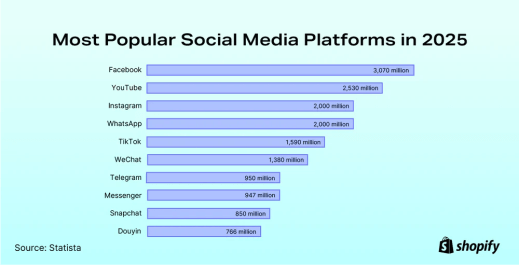
How a Social Media Strategy Can Power Up Your Brand

The old saying is still correct—clients (and those who might become clients) do business with those they know and like and do more business with those they know and trust. If you operate in the Freelance B2B consulting sector, you know it’s vital to continually demonstrate your expertise because that’s one of the best ways to win the respect and trust of prospects who might hire you. It’s imperative to make it clear to those motivated to become paying clients that you’ve got the right stuff, that you can be a trusted resource, that you have the capability to resolve their pain points by recommending the right business solution.

Your mission is to get the word out about your insights and abilities and showcase a brand that inspires trust. Bring to audience attention your relevant and timely info that’s delivered in the form of perspectives and insights that resonate. Seeing is believing and becoming a familiar presence in media outlets that your target prospects visit and trust will pay big dividends.

In the B2B sector credibility, relevance and trust are the building blocks of a winning brand reputation and are the foundation of a successful business venture. You access those building blocks by demonstrating value to prospects and peers. One of the most reliable strategies you can enact when your goal is to demonstrate value to prospective clients is to position yourself as a trustworthy thought leader who provides relevant, timely and actionable information. Among the most efficient channels to broadcast information to your target audiences is social media.

Social media has become a cornerstone of the B2B product and services buying journey. Prospects typically view up to 12 types of content, with 40% of B2B buyers including social media in their purchase research. As your prospects search for info, the right SEO search terms could call up your content and make your thought leadership info available to impact a purchase. Remember also that social media platforms are a two-way street and equally useful for not only broadcasting information, but also for listening and learning by starting and contributing to conversations. By becoming active on LinkedIn, which is the preferred B2B platform, and also X, YouTube and/or Instagram, for example, you’ll not only have a presence on platforms your prospects follow, but you’ll also get confirmation of their topics of interest in the moment, plus a heads-up on what may capture their interest in 2026. Below are four strategies for using social media to enhance your brand and grow your client list.

  1. Provide informative and timely content

By positioning yourself as a go-to source of useful insights and info, you’ll win audience trust—and that is vital. The quality and timeliness of the information you deliver, whether by text, video, or audio, will enhance your value. Distributing your thought leader content on social media platforms favored by your target audience maximize distribution and help you build a following. You’ll benefit from increased name recognition, eventually acquire trust and influence and, ultimately, you’ll create for yourself a solid brand reputation. Insider’s tip: linking your blog and/or newsletter to one or more social media platforms when you publish is a great way to share your compelling content with a wide audience (readers will find my weekly blog at LinkedIn activity/posts.

Video is a growing medium in the B2B sector because social media audiences find it easy to digest and, apparently for that reason, an attractive format. While YouTube is the platform of choice, all major platforms host video/audio content, that runs the gamut from short-form clips to long-form videos and live streams. Posting a webinar in which you took part or the podcast on which you made a guest appearance are excellent video opportunities for B2B Freelance professionals.

Case studies and client testimonials likewise make compelling video content. In fact, it may be easier to recruit your satisfied clients to sing your praises in a video rather than providing a written narrative of the process. Furthermore, if you’d like to present a show-and-tell tutorial that explains the rationale for using your product or service and quickly break down how users can benefit, a video interview in which you take center stage may be easier for prospects to visualize how your solution can be implemented for their needs. BTW, video/audio content, plus any noteworthy information you post to social media platforms, such as a case study, should also be posted on the only platform you own and control—your website.


2. Share client success stories

Nothing succeeds like success and sharing the occasional client success story (maintaining the client’s confidentiality, when requested) helps prospects envision the effective solutions that you might create for them. Examples of your willingness to personalize your solutions by, for example, simplifying your solution or providing an upgrade, or facilitating post-sale training or other supportive services—without violating your competitive advantages—are persuasive and make for memorable brand-building content for your organization.

3. Be authentic and consistent

X and LinkedIn are the usual go-to platforms for serious conversations. When you have something relevant to contribute, whether you make a thoughtful reply to a comment or offer a new perspective that you expect to generate comments from other readers, you demonstrate your authenticity, as well as your expertise and maybe out-of-the-box creativity. Joining one or more LinkedIn professional groups that are related to your industry or subject expertise can introduce you to a good forum, where you can contribute insights and learn new perspectives from thought leader peers.

4. Be transparent about values and culture

A growing number of consumers, B2B and B2C, are interested in the values and culture of companies with whom they do business. Storytelling is a relatable format and social media is an ideal platform for you to demonstrate and express what your company stands for and how your values impact your business practices. Your clients and prospects are not dismissive of a company’s purpose, vision, mission and guiding principles and may be very pleased that you’ve shared this foundational information.

Moreover, don’t hesitate to show behind-the-scenes evidence that shows you immersed in community work, be it a corporate social responsibility initiative, board service, or other volunteer participation. If you participate in a charity event, such as a holiday toy drive for local children, or sponsorship of your neighborhood Christmas tree lighting and party, consider documenting portions of the proceedings and, better still, invite top organizers to contribute a short interview to describe the goals for the event and the constituency it benefits in a video (be sure to respect the privacy of other participants). Clients and prospects like to know that you’re giving back or paying it forward.

Thanks for reading,

Kim

Image: © Statista May 2025

Get It Right: How to Make It While Freelancing

About one in two American workers will participate to some degree in the Freelance labor market by 2027, according to researchers at Statista, the German global business intelligence platform, who project that about 86.5 million workers, more than half of the U.S. workforce, will earn their living as Freelance professionals or other independently employed workers.

That more smart and ambitious professionals are expected to join the Freelance labor market is a powerful vote of confidence, but a growing numbers of professionals will inevitably result in a marketplace crowded with competitors and making it increasingly difficult to stand out and build a thriving, sustainable Freelance business entity.

As a new year approaches and the “fresh start” impulse kicks in, you may be inclined to take up some future-proof thinking; your brainstorming may lead you to remember that the best defense is a good offense. What proactive and assertive strategies can you explore and enact now to strengthen your position in a marketplace that is destined to become more competitive?

A defensive strategy known to augment the power of your brand is to include in all marketing initiatives and collaterals campaign messaging that describes and promotes your brand’s Unique Selling Proposition—those singular benefits that appeal to your ideal clients and distinguish your services or products from competitors. It is imperative that USP attributes are consistently and unambiguously communicated in marketing messages, to ensure that your marketplace offerings are recognizable to those who value them.

Robust marketing is just one vital component needed to build and sustain a successful Freelance venture. Below are a few basic actions that, if enabled by big-picture thinking and working smart, along with a dose of good luck, can help you to climb to the top of the Freelance earnings pyramid. Here you go!

1. Freelancing is sales

Freelancing means that you must work so that you can work—and the work you must do is selling. It’s an unavoidable fact that in order to be hired for client work, Freelancers must persuade prospective clients to become your paying clients. That can occur if your capabilities are superior to any competitors who are also vying for the assignment. Furthermore, you must demonstrate that you are well-organized and efficient, pleasant to work with and that you are good cultural fit for the client’s company and team. Finally, you must have two or three credible references to provide third-party verification of your abilities and good qualities. If the client, which could be represented by a hiring committee, is satisfied with your competencies and credentials, you will be awarded the contract.

Note that the primary ingredient in this process is sales. To make money, Freelance professionals (and all business owners) must become adept at sales and that includes understanding the “pain points” that motivate clients to seek out the type of services or products that you offer. Before client work is obtained, the Freelancer must sell—and that begins with identifying and connecting with viable prospects who may have a project scheduled for which you are qualified. Selling is probably the most important competency a Freelancer must develop, whether you are a software developer or a make-up artist, because you can’t entirely outsource it. The owner of the company must be able to sell the product or service to prospective clients.

Face2face networking is the most effective way to meet those who might hire you, although quite a few Freelancers regularly connect with prospects who become paying clients when working through a Freelance marketplace such as Xolo, Upwork, Freelancer, or Fiverr, which vets the legitimacy of Freelancers and prospective clients. In addition to possessing the necessary skills to satisfactorily complete the project, the Freelancer must also communicate that s/he is trustworthy, dependable and, oftentimes, has done work similar to the project in question, in order to instill sufficient confidence in either online or in-person prospect introductions to extend an invitation to interview for the project and green-light the hire.

2. Identify your market niche

What services will your Freelance consulting business provide and who can you expect to become your clients? Freelancers must acquire expertise in a marketable skill and understand the typical “pain points” of prospective clients. You must learn to articulate the problems can you solve, which goals you can help the prospect achieve. Aspiring Freelance professionals cannot simply decide that you’d like to earn a living as a social media marketer or special events photographer and voila, you will receive offers of work. High-level skills and significant experience are needed before you can go out on your own and expect to make a living.

When pondering the possibility of launching a Freelance business, research the marketplace need in your geography of the current and trending demand for skills that you can demonstrate at expert level. That you are “passionate” about certain activities is not enough. Which trends are emerging and which once-dominant trends are waning?

Finally, research and learn how those who would be your prospective clients getting their needs met now. The answer to this question will reveal your competitors. Research who is making money in your niche. Visit websites and social media accounts to find out the identity of big clients and learn how your prospective competitors sell to clients.

3. Freelancers are business owners

Freelancing calls for more energy, determination, savvy and creativity than social media cheerleaders let on. As detailed above, Freelance professionals do more than provide the contracted services by providing an effective solution that solves a problem or achieves a goal. Freelancing also means you must become adept at managing the business aspects of your entity.

In all likelihood the best way to obtain comprehensive business development skills capable of building a robust and sustainable Freelance venture is to contact SCORE, The Service Corp of Retired Executives, the nation’s largest network of volunteer, expert business mentors who, at no charge in most cases, will help you, a small businesses owner-operator, plan, launch, manage and grow your entity.  SCORE is a not-for-profit organization launched by the Small Business Association in 1964 and is dedicated to developing thriving small business communities through mentoring and educational workshops.

4. Your story Is your power

Storytelling can be an opportunity to share your unique experiences that differentiate you from competitors and help you and your company, services, or products to stand out in the ever more crowded marketplace. Your stories communicate your brand identity and brand persona as they connect you with potential clients in a memorable way. Your stories are one of your most important relationship-building marketing assets.

You can share professional experiences, personal reflections, obstacles you’ve faced and tackled and observations that have taught you powerful lessons. Regardless of the type of story, you should follow a clear structure by ensuring you highlight what exactly happened (the context), the lesson to be taught through the challenge or crisis in the story and conclude with the positive outcome or result—even if it was unexpected. Your stories bolster your relatability, build transparency and trust, demonstrate your resilience and resourcefulness and might also opens doors to opportunities like speaking engagements and co-hosting workshops. A resonating story is all about how you tell it and for that bit of magic, I refer you to champion storyteller Kelly D, Parker.

5. Price like you understand the job

Don’t allow fear to cause you to under-price your services, including all the “extras” that collectively represent the quality of the customer experience your clients have come to associate with your organization. Like the classic L’Oreal tagline for Preference Hair Color said, “Because you’re worth it“. Freelancers who underbid projects, thinking that low project fees result in more work only misinterpret the psychology of sales. Freelancers who don’t ask enough questions to apprise the scope of the work and client expectations, don’t account for revisions and don’t build in a buffer zone of time to mitigate timeline delays caused by unexpected complications that could undermine achieving the preferred project completion date don’t really understand the meaning of cost-effective.

Your project price quote tells a prospect that you understand the scope, you’ve thought things through and that the client can trust you to stay calm and in control, whether in the best-case scenario, when all goes according to plan, or when something goes sideways. If your price is too low, the client may silently worry that you’re missing something important. On the other hand, if your quote is too high as compared to others that were received, the client may suspect that you’re padding the estimate as a way to enrich him/herself.

The pricing sweet spot is a balancing act that must satisfy both the client and you. Your project quote must be not be so low as to raise red flags, nor so expensive as to create anxiety, but realistic and competitive enough to suggest you know exactly what you’re getting into. Price like you understand what it takes to do the job right and clients will trust you to do it.

Thanks for reading,

Kim

Image: ©Edmund Dantes/Pexels for iStock

Optimize Social Media Campaigns

When you’re on a mission to reach the target audience for your products and or services, develop and strengthen relationships with clients, make your case with prospects, or build and promote your brand, the most powerful tool at your disposal is, overall, social media. By using one (or more) of the several free platforms, Freelancers and others with a product or service to sell, or reputation to enhance, can easily broadcast relevant information and persuasive messages to those who might buy, or buy- in.

Utilizers of social media will also receive credible feedback from those who engage with your company (or you), delivered in unfiltered first-person comments (user-generated content) and the platform’s user activity metrics. That means you’ll get timely and accurate insights—-actionable intel—-that reveals what clients and prospects respond to or reject. That’s tremendously valuable information that can guides your marketing strategy and even the development of your product or service. Use social media to reach deep into your preferred client demographic to expand the reach and influence of a company, product or service launch or rebranding campaign, or support the pivot you’ve decided to execute.

However, for best results, you must consider the capabilities and user demographics of the platforms on which you post. To which platforms do your clients and prospects gravitate? Their age range is a reliable indicator.

Choose the platform

There are several options available and each has a particular style. The age range of your target market is a primary determinant of your chosen platform, as is the category of product or service that you’ll promote. Below is an overview of the most popular and how each might enable the marketing outreach that you need.

  • Facebook has 2+ billion active users and 79% of Americans age 18 – 49 are regular users. 58% of Americans age 50 – 64 are regular users. Ecommerce integretion allows you to sell your products and services directly from the platform which supports your do-it-now Call- to-Action. Moreover, the advertising feature is a reliable way to brings in more potential buyers.
  • Instagram has 1+ billion users and especially if your target audience skews younger and visuals are an important communication tool, this platform is where you want to be. 67% of young adults <30 years are regular users and nearly 50% of adults age 50 or younger are regular users. Tell your brand story, chock full of videos and photos, on this platform.
  • LinkedIn is B2B county. 37% of its 300+ million regular users are age 30-49 and 50% of those who earn $75,000/ year or more are regular users. Plus, 51% of regualr users have earned at least a bachelor’s degree. The platform provides your best opportunity to connect with business decision-makers who might green light the sale of your B2B products or services. Furthermore, LinkedIn features hundreds of industry-specific networking groups that members can join and trade information with colleagues based on their industry, job function or career interests.
  • Twitter is a real-time social media platform that functions like a global text messaging service. Come here to make big announcements on this platform—- your new venture, new service, the workshop you’ll teach, the panel you’ll moderate. Tweets can be maximum 280 characters, which will inspire you to craft a short, sharp , concise message that gets your point across. With about 330 million users worldwide, Twitter is much more about text than images. It’s biggest demographic consists of people between the ages of 18-29, with 38% of people in this cohort actively using the platform.
  • TikTok quickly became a social media juggernaut and its eye-candy 60 second videos became all the rage. Just walking down the street can cause you to witness a teen with a smartphone, recording a dance clip to upload to the platform. TikTok is a darling of B2C marketers, but B2B is figuring out the terrain. If your clients and prospects skew to age 35 or younger, TikTok videos are a useful way to run your brand awareness campaigns. The platform is also effective for building and solidifying a community of brand fans. The platform is too big to ignore. Globally, there are 1+ billion users monthly.
  • YouTube is arguably the best social media platform that exists. For one, 1.9 + billion people use YouTube on a regular basis and it is also the 2nd largest search engine, after Google. There is a downside, however— you’ll have to learn how to create videos and production can be costly if you want to make a video that stands out. You may want a more polished product than your point & shoot TikTok videos. So not only will you need good content, but you’ll also need an entire video setup with a camera, lighting, microphones and editing software. Option 2 is to hire a professional but, again, it will cost you. On the plus side, the video content can also be uploaded to your website and/or shared on other social media platforms and that will increase your reach. Whatever story you’d like to tell, podcast or webinar you host or guest on, or (recorded) online interview that you give should be posted here.

Brand is the focus

In your posts, write about your business and things that relate to it. Social media is a relatable and personal way to make you and your company visible to your target audience. Limit your posts, text and images, to your products and services and avoid personal and polite opinions (which can haunt you).

Original content

Every day, companies upload new content, trying to outdo their competitors and bring more attraction to their business. This can be anything from a picture to a (short) video to a podcast. There are countless ways to produce appealing content that’s relevant to your business. Making sure your page is filled with original writing and images will make you and your organization more recognizable and memorable.

Organic growth

It is far better to slowly gain an audience of visitors, followers and subscribers for your social media audience, instead of chasing hits and likes from those who have no interest whatsoever in doing business with you. Building a real community of loyal fans takes work and takes time (and I know from personal experience!). You will get discouraged when the numbers climb oh-so-slowly, but the more genuine your presence is online, the more attractive it is for real users to engage. With social media, slow and steady wins the race.

Thanks for reading,

Kim

7 Personal Brand Building Blocks

OK, it’s like this—- if you’re not sure whether or not you have a personal brand and you don’t know what to make of it even if you do, you’ve come to the right place. Today, we’ll examine the business strategy known as the personal brand and talk about why you want to develop one for yourself. The short answer is, an effective personal brand is an excellent marketing tool.

Your personal brand helps you to clearly define your company and its purpose, describe the value you bring to clients, articulate what sets you apart from competitors and helps you to build and sustain a community of loyal clients who will be happy to give you repeat business and refer still more clients to you. A personal brand serves to establish you as a known quantity, familiar and trustworthy, a go-to expert in your field. Those with a respected personal brand have a high perceived value and that attracts clients. Are you ready to explore personal brand building blocks?

Authenticity

Your clients and prospects have no desire to interact with a focus-grouped and sanitized version of who and what you think they want to see. Clients and prospects would like to know you, i.e., the part of you that culturally accepted boundaries would incline you to share. It’s akin to being emotionally available.

It takes some courage. Sometimes it means you’ll take a public stand that may not be universally popular. If you can appropriately define your boundaries (something that also requires courage, along with self-awareness), the practice works for introverts and extroverts.

Visuals

 It will be to your advantage to maintain consistency in how you present your personal brand, to make it easy for you to be recognized. Develop a visual repertoire that represents you well and makes you and your company memorable in the best way. Create a look that epitomizes you and your company and include your branded elements of style in all visuals:

  • A logo that is used consistently in all media placements
  • Your profile photo that is used consistently in all media
  • Consistent cover and background images used in all media
  • Specific colors used in all media
  • Consistent style of dress when your photo is included in all media representations

Story

Your story can be quite simply, what motivated you to go into business as told through the experiences that brought you to where you are now. Storytelling is used as a marketing strategy and your personal brand is an integral component. Be sure to emphasize that it is the quality of your product or service, as well as the attention paid to the needs of clients, that guides your company. Your emphasis on the importance of meeting the needs of clients and exceeding their expectations on every metric is another must-do.

Expertise

Establishing yourself as an expert is the key component of being in business, even if you’re selling popcorn. Your expertise is the foundation of your reputation and the trust that clients, referral sources and prospects have for you. Showcase your expertise through content marketing, public speaking, interviews and direct interactions with colleagues, peers and prospective clients. 

Visibility

Half of life is about just showing up, as some very wise person said many years ago. Along with your regularly updated online presence, remember to seek out opportunities to appear in traditional print media outlets and to make personal appearances. If you are a decent writer, learn to repurpose your blog or newsletter posts by offering selected pieces to the editor of a media outlet that covers your business sector.

Whether IRL or virtually, attend three or four professional or business association meetings each year. It’s thrilling if you’re asked to be a headliner or a panelist, but just being in the crowd presents many advantages. You can network and meet people who you want to know. You might even meet a good prospect or referral source. You’ll grow and strengthen your professional network. You’ll enjoy the experiences.

Value

A key component of building a personal brand is first developing an understanding and awareness of what motivates clients to do business with you and then developing the ability to communicate it clearly and succinctly in your sales pitches and marketing materials. Work on all the ways you can express your value, the why of doing business with you. Maybe you’ll be able to distill your value proposition down to a single sentence that you can use when asked you to describe yourself and your venture. 

Relationships

Who you know and who knows you are important as you spread the good word about your personal brand. Through your relationships you will receive introductions to others and will expand your network and influence. The list of supporters, referral sources and clients that you accumulate will result in testimonials that speak directly to your character. People do business with people they know and like; they do even more business with people they know and trust.

Thanks for reading,

Kim

Image: Anna Wintour, “Nuclear Wintour, ” powerhouse Editor-in-Chief at Vogue Magazine (America) and Global Chief Content Officer at Conde Nast, arrives at the Chanel ready-to-wear collection fashion show in Paris on March 3, 2014.

Storytelling Made Simple

What would be useful for my audience to learn and how can I package this lesson or bit of information in a compelling story format?“—Travis Bernard, content marketing guru at TechCrunch, the leading technology industry blog based in San Francisco, CA

Whaddaya say we learn how to put together a good story for your marketing content? Some people are natural storytellers and others aren’t, but it’s always useful to develop and hone the art of storytelling when one is a public speaker and that includes Freelancers, business owners and sales professionals who must speak with prospective clients to generate sales or billable hours.  Your story need not be long and elaborate.  In fact, a concise narrative will be more memorable and impactful.

Your content marketing story will describe a client experience journey.  The story will feature three main characters—the hero, the villain and the mentor.  The story will have a beginning, middle and end.  A call-to-action, when you encourage your content reader to act on the information that you’ve shared, will be the story’s epilogue.

The hero of the story will have a problem to solve or avoid, a challenge to overcome, and that is the goal.  The hero will be waylaid or deceived by the villain, that is, an obstacle that is preventing him/her from achieving the goal.  The hero must seek knowledge and guidance from a mentor during the journey and that is your role, storyteller friend.

Act I is when the hero acknowledges that there is a problem to solve.  There is a goal to achieve and an effective solution will be necessary.

Act II will describe the magnitude of the problem and the failures of various less than stellar solutions that the hero has tried and discarded (homegrown remedies or competitive products).

Act III is where you come in, the mentor who helps the hero make sense of the possible solutions and explains how your product or service can resolve the matter.  The hero agrees to adopt your product or service and the problem is resolved.  The hero looks like a genius to his/her superiors and colleagues.

The Epilogue features the call-to-action, when you show the content reader how to obtain an effective solution for his/her goal, a solution that will overcome the challenge and make the content reader look like a hero to the higher-ups.

Be advised that the hero of the content story is never the product or service.  The hero of the story is the protagonist, s/he who takes action and moves the journey forward to its triumphant conclusion.  The client is always the hero of the story.  You, the storyteller and possessor of expertise, serve as a mentor, to ensure that the hero will prevail and achieve the goal.  Your product or service supports the hero by overcoming the challenge and enabling achievement of the goal.

The purpose of your content/ story is to persuade the reader to act upon the information that you’ve delivered.  Integral to persuading the reader is to build trust in you as a mentor/ expert and confidence in the solutions that you recommend and provide. You may be able to persuade content readers to give your post a Like, or share it with others.  The ultimate validation is when content readers are so confident in your proposed solution that they click through to your website shopping cart or contact you to ask questions about how you might handle a project.

Finally, you’ll need a specific story to tell (and eventually, you’ll have two or three more). Without naming names, your content/ story will the based on a client who has successfully used your product or service.  If you will tell your company’s brand story to promote awareness, your content story will illustrate why company founders were motivated to form the venture and include mention of the mission, values and guiding principles.

Client experience journey content stories, or your company’s brand story, can be included in your blog, social media posts, white papers, videos and so on. You’re sure to find that they help prospects envision their own circumstances and how your products or services can be useful.

Thanks for reading,

Kim

Photograph: Portrait of Clementina Maude (circa 1862) taken by her mother, Lady Clementina Hawarden (Viscountess Hawarden of England, 1822-1865)