Give Your Personal Brand A January Jumpstart

FACT: You have a personal brand—whether or not you realize it or choose to manage it. You may prefer to let it be and let your business acumen and client list represent you, and they are undeniably important factors. Nevertheless, be advised that your personal brand is your reputation. It sums you up, in a brief sentence or two, in the minds of peers, competitors, prospective clients and perhaps even power brokers whom you’ve yet to meet but could still, some day, be in a position to evaluate you, however quickly, and advance or limit your preferred business trajectory.

Especially for Freelance consulting experts and other business owners, the personal brand has impact. Rather than leave public perceptions of who you are and what you stand for to chance, it is far less risky to develop and present your personal brand narrative yourself—perhaps with the assistance of a public relations expert or a business coach whose background is not in behavioral therapy or counseling, nor exclusively in traditional employment, even at C-Suite level, but rather in boots-on-the-ground independent business ownership, Freelance or otherwise, and preferably a coach who has had public relations/ marketing responsibility.

Defining your Personal Brand

I’m no fan of Jeff Bezos, but nevertheless, I feel his definition of personal brand is spot-on: “Your brand is what people say about you when you’re not in the room.” You can also assert a level of control over your personal brand, because it really is about you being yourself—on purpose. It’s both authentic (being yourself) and strategic (on purpose). You have actually have a responsibility to shape and define how you’re perceived, to the extent that it’s possible. Your personal brand exists to amplify your strengths, does it not?

Use storytelling to build, engage and connect with your community

Heads up—branding, personal or business, is not about your company colors and logo design. Those elements represent the company visually, but they cannot build your brand. Your story does the brand building. Branding expert Chris Do, founder and CEO of The Futur, has spent 22 years building design businesses and also teaching marketing creatives and others in search of client work how to succeed. Do quotes Michael Margolis, founder and CEO of Storied, a strategic messaging company: “A product, service, or organization without a story is a commodity.” Do emphasizes that when prospective customers and clients make a choice between a better product or a better brand, they choose the better brand nearly every time because they can relate to it.

Emotion matters. “Facts tell, stories sell,” Do explains. He encourages those with a brand to build and manage, like you, to share your journey. Tell it like it is—be real about your failures; make people feel what you felt. Author and actress Maya Angelou famously said, “I’ve learned that people will forget what you said, people will forget what you did, but people will never forget how you made them feel.” Always remember that your stories can never be copied by competitors. They describe and define you and they are authentic. Use your stories to stand out in an oversaturated market.

As Do sees it, your background isn’t baggage, it’s your superpower. “The origin story of you is the easiest one to tell because you’ve lived it,” he says. Your home town, what your dad (and/or mom) did for a living, the cultural references that were the foundation of the values that guided your parents as they raised you, the stories that they, and your aunts and uncles, shared with you at home and at family gatherings all shaped your worldview. Like Senator and presidential candidate Bernie Sanders of Vermont, a New York City native who grew up in Brooklyn, do not be afraid to keep your accent, your cultural references and your unique expressions. Your story creates cultural currency that connects you with your audience and brings them into your community. Don’t be self-conscious and hide the unique characteristics that define you. Do recognizes those quirks of personality and expression as shortcuts to understanding and trust with people who share similar experiences or just find your background fascinating—and authentic.

Take your personal brand public

Building and sustaining your preferred personal brand requires public exposure and your currency as a Thought leadership is often one of the first thing people think of when they think of a personal brand. You might publish an e-book, but there are other brand-building tools—such as publishing a blog or newsletter, appearing on webinars and podcasts and becoming an active and visible member of a local business group or national professional organization. It’s a great idea to Google yourself to see which links and images appear first and decide what you want others to see when they search your name and your company’s. What impression do your LinkedIn and other social media profiles present to the public? near the top of the search results? Update your headshot, reassess and align your headlines, perhaps revisit your unique selling proposition and align the description across all platforms. 

Finally, evaluate your network connections and go about building a community that is mutually beneficial. Your network is about quality, not quantity. Seek out professional connections across industries, functions, and even geographies. Furthermore, say yes to attending networking events, especially when they’re in-person. So what if you’re doing Dry January—order a sparkling water with a slice of lime and call it your mocktail!

When you meet new people, focus on generosity. Offer helpful introductions, send links to relevant articles, share timely insights. Always follow up. To all who’ve given you a business card, send a quick message to say something like “Great to meet you! If I can be of assistance, please reach out.” You want to do what’s possible to politely encourage beneficial relationships that reinforce your brand.

Thanks for reading and Happy New Year,

Kim

Image: © George Marks (photographer) circa 1950s “Man in the Mirror”

Storytelling Is the New Advertising

Not long ago, advertisements you saw in newspapers and magazines were made to capture attention with style and flare. Whether those advertisements were from back in the day, or 21st century pop-ups that invade the screen on your device as you scroll through websites, ad copy displayed flawless visuals and meticulously phrased text, both carefully crafted to dazzle and persuade a broad swath of the ad’s target market viewers. But that was then and this is now.

In the here and now, tightly scripted advertisements appear to be losing their hold on audiences. The viewing public, some of whom are within your target market, are apparently tiring of what can easily be interpreted as ad agency engineered, focus-group tested and totally corporate. Your future clients, and maybe you, too, value what feels genuine, relatable, believable—authentic. Your future clients are hungering for comfort food served in a favorite neighborhood place, not a four- course banquet served in a grand, Michelin starred restaurant.

What future clients are increasing drawn to is storytelling—personal testimony that comes across as unscripted and communicates a set of values and guiding principles that inform how you conduct your business and and even personal life. The influence and impact of storytelling continues to expand and it seems to already have become the future of adverting in B2B and B2C markets.

Advertising experts call the emerging storytelling phenomenon the trust economy and it is winning loyalty (and wallets) with its apparently unrehearsed, believable, real first-person accounts that are overtaking the glossy ads of days past. For example, brands that feature storytelling by the company founder—maybe showing a clip that illustrates what’s happening behind the scenes or revealing that a percentage of company profit is devoted to a certain philanthropy and also explaining how the recipients benefit— are winning customers, growing their follower and customer communities and surpassing the usual results of traditional advertising. In today’s marketplace, authenticity—which is a defining ingredient of trust— has become real currency. Authentic storytelling is how you can earn it.

Maybe the rise of storytelling is a reaction to all those banner ads and pop-ups that clutter screens and have come to annoy digital audiences? Ad-blocker usage is high, especially among Generation Z (born 1997-2012) and Generation Alpha (born 2010-2025) cohorts, whose members show skepticism toward traditional advertisements. According to marketing researchers and thought leaders, authenticity is now a leading B2B purchasing driver, with prospective buyers more likely to buy from brands they perceive as transparent and real. This generational demand for “truth” means over-engineered marketing campaigns and content may no longer resonate with your target audience. But the apparently candid testimonials that typify storytelling are perceived as believable, authentic and trustworthy.

Powerful stories

On every continent and throughout human history, people with a gift for telling a story have held power in their community. We like hearing a good story that is told well. Stories told by company founders and even employees have a persuasive resonance in today’s marketplace. For example, entrepreneurs who share factors that motivated them to launch their business entity and tell the company origin story—and perhaps bravely admitting their struggles, pivots, or failures — create intimacy and relatability with their audience that neither impossibly glamorous models or bland-looking actors who were once the faces of hundreds of companies, smiling and spouting the official brand messages—cannot match.

Furthermore, traditional ads—TV, radio, print, or digital— are more expensive than ever and their returns are diminishing. By contrast, trust and authenticity-driven advertising (marketing) campaigns often require smaller budgets and deliver outsized impact in viewer engagement and word-of-mouth.

Storytelling, which is an outbound marketing strategy and therefore defined as a push promotional marketing tactic, is fundamentally different from the typical message broadcasting that defines outbound marketing, from television, radio, or print ads to sponsoring the holiday tree lighting in your neighborhood.

Expert storytelling invites the audience into a journey. Stories are a shared experience, personal and intimate and capable of making what is a transactional relationship—selling and buying— into communities of shared values and beliefs and whose participants can develop loyalty. Harvard Business Review notes that brands that present authentic narratives in their advertising and other content marketing activities see measurable improvements in consumer trust and loyalty. As well, Nielsen’s Trust in Advertising Report highlights that recommendations from “people like me” remain the most trusted source of brand information and vastly outperforms paid ads.

Build trust into marketing strategies

The core of storytelling is about developing a narrative that is believable and therefore resonates on an emotional level with audience members. The goal is to create a connection with your audience that inspires trust in and loyalty to your brand. A marketing strategy whose message prioritizes truth and has authenticity as its core delivers story narratives that your current and future clients will believe in. Your brand story, when effectively told, can connect with your current and future clients on a deeper level, providing feelings of belonging and loyalty. This emotional connection is crucial in building a lasting relationship between the brand and its consumers. When developing your storytelling strategy and choosing key elements to incorporate in the narrative, you might include:

  • showcasing not only the company founders, but also employees as storytellers
  • Sharing behind-the-scenes happenings with humility, honesty and maybe a touch of humor as well
  • Participating in social media as well as selected in-person community events or platforms to create opportunities that invite two-way communication with your clients, prospects and other followers
  • To evaluate the impact and outcomes of your storytelling marketing campaigns, measure not just impressions but also viewer sentiment, advocacy and engagement metrics

Develop your brand story

Storytellers may sound unscripted and in the strictest sense of the word, that may be true. However, effective storytellers, whether they are entertainers or entrepreneurs, know their talking points. They know the theme and purpose of the narrative. They know how to present the story to the audience and make it capture attention and flow. In other words, creating an effective brand story requires careful consideration. Here are key elements to keep in mind:

  • Know your audience: Understanding your target audience is always essential in public speaking. Make a list of what you feel represent your values, guiding principles, priorities and purpose and consider how they impact the company. You may also want to include challenges and pain points and a reach-for-the-stars goal or two. Tailor your story narrative to resonate with your audience.
  • Clear message and purpose: You don’t want to rant, you don’t want to humble brag. You must have a purpose, an objective, that can lead you to devise a compelling story. Your story should have a clear and concise message. Avoid overcomplicating the narrative; focus on the core message you want to convey, keeping it simple. You should have a Call to Action—what do you want your audience to do—maybe make a purchase, so that they can feel philanthropic by knowing that a portion of each sale will be used to fund a worthy cause, e.g., a healthcare or educational organization?
  • Authenticity: Authenticity is crucial to storytelling. Your clients can easily detect inauthentic narratives, which can damage a brand’s reputation. Ensure that your story aligns with your brand values, company vision and mission.
  • Emotional appeal: Incorporate elements that evoke emotions. Whether it’s joy, sadness, inspiration or nostalgia, an emotional connection can significantly enhance the impact of your story.
  • Organize the narrative: Your story must have a beginning, middle and end. It must have an intro that intrigues viewers and a conclusion that inspires them. A Call-to-Action will tell them how to direct the emotions your story has built up; it creates a common purpose among audience members and is a bonding and community-building experience.
  • Visual and verbal aspects: Combine visual and verbal elements to create a cohesive and immersive experience. Use imagery, videos and written content to bring your story to life.

Thanks for reading,

Kim

Image: © Alejandra Brun/ Agence France-Presse for Getty Images. Charles Robinson, member of the Choctaw tribe (AL, LA, MS, OK), dances during his storytelling presentation in Lima, Peru, August 2003

Client Relationship Building 2025: 10 Holiday Gifts @ $40 or Less

The December holiday season presents an excellent opportunity to demonstrate to your clients that you appreciate the value they bring to your business. In fact, it can be argued successfully that your clients are your business—what would you have without them? Not billable hours and revenue, that’s for sure! Can we agree that in the waning days of November, Freelance professionals have some shopping to do, no matter how modest your budget? No Freelancer can let this occasion pass without showing gratitude for the business clients have done with you—and subtly encourage them to contact you in the new year and make a referral or two, as well.

In our hypercompetitive B2B marketplace, where buyer expectations continue to rise, it was found that78% of companies reported that thoughtful December holiday gifts given to clients improve their retention rates and promote stronger business relationships. It was also found that approximately 62% of business owners feel that the quality of gifts given is important and that holiday gifts can increase client lifetime value (by promoting client loyalty and retention).

Boxing up some generic “gift” will not suffice in our hypercompetitive B2B marketplace, where buyer expectations continue to rise. Today’s B2B clients expect a holiday gift that demonstrates thoughtfulness, relevance and quality. They want to know you’ve considered their preferences, industry and company culture. Consider your December holiday gift and card as an integral component of your marketing strategy.

When putting together your marketing budget for the new year, you may even want to make holiday gifting a line item, to ensure that you’ll have the funding to make an impression that aligns with the customer experience your company provides and its brand reputation. Your holiday gift needn’t be extravagant— over-doing it will likely leave the wrong impression. You want to find the sweet spot between professional and personal, memorable and appropriate, impressive and budget-friendly. You also want to present your clients with a gift they want to use. To that end, I’ve combed through numerous websites and discovered 10 items that should help you express this important element of your marketing strategy.

  1. Expandable Packing Cube Set – Medium/Large $34.95

Organization is integral to travel preparation and the REI Co-op Medium/Large Expandable Packing Cube Set makes it easy to pack—and find—items in your luggage. The set includes one medium and one large packing cube that can expand or compress by three inches to adjust packing volume as needed. Mesh on top lets you see what’s inside and there’s a handle to allow for easy carrying. FYI, the REI Co-op brand is certified to The Climate Label. The company funds efforts to reduce carbon emissions across its business and supports climate projects around the world.

2. Stay Cool Adjustable Laptop Desk $39.00

Clients who work from home or travel for business will appreciate this practical and attractive bamboo portable workstation desk. Its adjustable height and tilt settings accommodate laptops from 11 to 16 inches. There’s enough workspace to keep a notebook, mobile phone, or drink within reach and the anti-slip surface with cup holder indent keeps drinks and devices in place. A built-in side drawer keeps office essentials like pens and earbuds organized. The Stay Cool Adjustable Laptop Desk is also designed with ventilation holes and a pair of built-in USB-powered fans to help maintain your laptop’s temperature and prevent its hot surface from disrupting the workflow (USB to USB-C adaptor required.)

3. Stonewall Kitchen Holiday Sampler $34.95

Perfect for pleasing all sorts of palates and elegantly packaged in a white-and-green gift box that features a festive winter design, the Stonewall Kitchen Holiday Sampler gift set contains mini-sized versions of six Stonewall best-sellers: Wild Maine Blueberry Jam, Raspberry Peach Champagne Jam, Holiday Jam, Red Pepper Jelly, Maine Maple Champagne Mustard and Caramelized Onion Mustard. This ready-to-give gift box is a perfect holiday gift.

4. Mongolian Cashmere Gloves $29.90

Your clients will be happy that you’ve taken a hands-on approach when you gift them with lovely and practical Mongolian Cashmere Gloves. The gloves have a long cuff that make wearers feel extra cozy on a cold winter day. They are made of good quality cashmere that is incredibly soft, long-lasting and three times as warm as wool. They are also sourced sustainably and ethically.

5. Holiday Hygge Gift Box $40.00

Made by BeyondGiftsCo. and sold on Etsy, the Boho Mini Holiday Hygge Gift Box is a warm and wonderful winter care package that will sustain the recipient when the snow piles high and the cold wind blows. The Boho Mini contains items that make those fortunate enough to receive one feel good on a cold and wind-swept day: a nice mug, tea (inside a burlap bag), a gold tea spoon, cozy socks, salted caramels and a holiday-themed wood ornament.


6. Ice bucket $39.20

Elevate entertaining with the timeless elegance of the Asti Ice Bucket. Designed in 1972 by Sergio Asti and crafted from 100% recycled plastic and fully compostable, this sustainable design is a true work of art. Its versatile use as an ice bucket, storage container, or even a vase makes it a must-have for any occasion. Works by the late Sergio Asti, Italian-born industrial designer and architect, can be found in the permanent collections of the Museum of Modern Art and the Cooper Hewitt Museum in New York City, the Philadelphia Museum of Art and the RI School of Design Museum in Providence, RI.

7. Tabletop Dwarf Lemon Cypress (Cupressus macrocarpa Wilma Goldcrest) $28.95

The Tabletop Dwarf Lemon Cypress adds a festive touch of nature’s elegance that illuminates holiday decor. The narrow, bright green foliage has a subtle lemon scent and its compact size make it perfect decoration for small spaces, such as tabletops, mantels, buffet tables, or a centerpiece. The pre-wrapped, gift-ready Tabletop Dwarf Lemon Cypress is a memorable client gift that keeps on giving.

With proper care, the plant can retain its vibrant color and health throughout the season and beyond, bringing good cheer to your client’s home or office. Designed to require minimal maintenance, your client can enjoy the Dwarf Lemon Cypress indoors during the holidays and then move it to a patio or plant it outdoors when spring arrives. Your client will be delighted with this gift for years to come—and experience a happy feeling about your brand time and again!

8. Blanket Scarf $14.97

This luxuriously oversized Italian-made Blanket Scarf is true to its name: it’s part scarf, part blanket and made in Florence, Italy from warm and super-soft woven fabric. Including its 4 inch fringe, the Blanket Scarf is 30″ w x 90″ h, made of 100% acrylic and makes a stellar festive statement when the weather turns chilly. You may add your business name and logo, beautifully embroidered monogram for a personal touch by emailing WSIB2BGift@wsgc.com.

9. Cheery Umbrella $22.99

Classy coverage through wind and rain, your clients will be happy to be protected from the elements by the wide, waterproof and wind resistant shield of a Cheery Umbrella. Drawing inspiration from the timeless wooden cane umbrellas but with a modern flair, this rain gear is will add comfort and style to dreary wet weather days.

10. Scout Soft Tote Cooler $39

Pleasure Chest is the perfect size for small family outings, road trips, or a 12-hour work shift—this tall, square cooler is a great shape for stacking containers. Stash napkins, utensils, or chocolate bars (no judgement!) in the outside pockets for quick access. Remember to take ice packs! Because it squishes flat in a suitcase, your client will love the Pleasure Chest for travel—and it makes a great leave-behind hostess gift. Please note that an additional 5-7 days of processing time will be added to your order due to personalization, regardless of shipping method.

  • 9″ W x 12.5″ H x 9″ D
  • Weight: 0.8 lbs
  • Handle drop: 12.5 “
  • Holds up to 30 lbs.
  • Foam insulation layer helps to keep contents cool (ice packs recommended)
  • Fits: 12-oz cans: 15 | skinny cans: 18 | 16.9-oz. water bottles: 8 | wine bottles: 4-5
  • Two exterior pockets: one zip (front) and one slip (back)
  • Heat-sealed, food-safe liner
  • Reinforced straps with velcro fabric handle wrap
  • Zips closed

Happy Thanksgiving to those of you who celebrate. To everyone, thanks for reading!

Kim

Image: Filene’s Department Store (Boston, MA) toy department, 1938

How a Social Media Strategy Can Power Up Your Brand

The old saying is still correct—clients (and those who might become clients) do business with those they know and like and do more business with those they know and trust. If you operate in the Freelance B2B consulting sector, you know it’s vital to continually demonstrate your expertise because that’s one of the best ways to win the respect and trust of prospects who might hire you. It’s imperative to make it clear to those motivated to become paying clients that you’ve got the right stuff, that you can be a trusted resource, that you have the capability to resolve their pain points by recommending the right business solution.

Your mission is to get the word out about your insights and abilities and showcase a brand that inspires trust. Bring to audience attention your relevant and timely info that’s delivered in the form of perspectives and insights that resonate. Seeing is believing and becoming a familiar presence in media outlets that your target prospects visit and trust will pay big dividends.

In the B2B sector credibility, relevance and trust are the building blocks of a winning brand reputation and are the foundation of a successful business venture. You access those building blocks by demonstrating value to prospects and peers. One of the most reliable strategies you can enact when your goal is to demonstrate value to prospective clients is to position yourself as a trustworthy thought leader who provides relevant, timely and actionable information. Among the most efficient channels to broadcast information to your target audiences is social media.

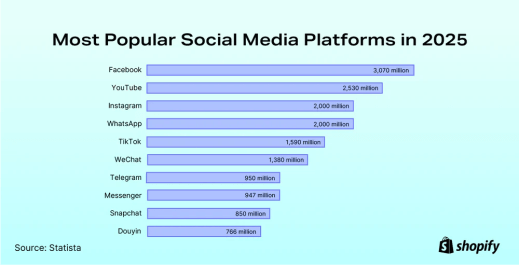
Social media has become a cornerstone of the B2B product and services buying journey. Prospects typically view up to 12 types of content, with 40% of B2B buyers including social media in their purchase research. As your prospects search for info, the right SEO search terms could call up your content and make your thought leadership info available to impact a purchase. Remember also that social media platforms are a two-way street and equally useful for not only broadcasting information, but also for listening and learning by starting and contributing to conversations. By becoming active on LinkedIn, which is the preferred B2B platform, and also X, YouTube and/or Instagram, for example, you’ll not only have a presence on platforms your prospects follow, but you’ll also get confirmation of their topics of interest in the moment, plus a heads-up on what may capture their interest in 2026. Below are four strategies for using social media to enhance your brand and grow your client list.

  1. Provide informative and timely content

By positioning yourself as a go-to source of useful insights and info, you’ll win audience trust—and that is vital. The quality and timeliness of the information you deliver, whether by text, video, or audio, will enhance your value. Distributing your thought leader content on social media platforms favored by your target audience maximize distribution and help you build a following. You’ll benefit from increased name recognition, eventually acquire trust and influence and, ultimately, you’ll create for yourself a solid brand reputation. Insider’s tip: linking your blog and/or newsletter to one or more social media platforms when you publish is a great way to share your compelling content with a wide audience (readers will find my weekly blog at LinkedIn activity/posts.

Video is a growing medium in the B2B sector because social media audiences find it easy to digest and, apparently for that reason, an attractive format. While YouTube is the platform of choice, all major platforms host video/audio content, that runs the gamut from short-form clips to long-form videos and live streams. Posting a webinar in which you took part or the podcast on which you made a guest appearance are excellent video opportunities for B2B Freelance professionals.

Case studies and client testimonials likewise make compelling video content. In fact, it may be easier to recruit your satisfied clients to sing your praises in a video rather than providing a written narrative of the process. Furthermore, if you’d like to present a show-and-tell tutorial that explains the rationale for using your product or service and quickly break down how users can benefit, a video interview in which you take center stage may be easier for prospects to visualize how your solution can be implemented for their needs. BTW, video/audio content, plus any noteworthy information you post to social media platforms, such as a case study, should also be posted on the only platform you own and control—your website.


2. Share client success stories

Nothing succeeds like success and sharing the occasional client success story (maintaining the client’s confidentiality, when requested) helps prospects envision the effective solutions that you might create for them. Examples of your willingness to personalize your solutions by, for example, simplifying your solution or providing an upgrade, or facilitating post-sale training or other supportive services—without violating your competitive advantages—are persuasive and make for memorable brand-building content for your organization.

3. Be authentic and consistent

X and LinkedIn are the usual go-to platforms for serious conversations. When you have something relevant to contribute, whether you make a thoughtful reply to a comment or offer a new perspective that you expect to generate comments from other readers, you demonstrate your authenticity, as well as your expertise and maybe out-of-the-box creativity. Joining one or more LinkedIn professional groups that are related to your industry or subject expertise can introduce you to a good forum, where you can contribute insights and learn new perspectives from thought leader peers.

4. Be transparent about values and culture

A growing number of consumers, B2B and B2C, are interested in the values and culture of companies with whom they do business. Storytelling is a relatable format and social media is an ideal platform for you to demonstrate and express what your company stands for and how your values impact your business practices. Your clients and prospects are not dismissive of a company’s purpose, vision, mission and guiding principles and may be very pleased that you’ve shared this foundational information.

Moreover, don’t hesitate to show behind-the-scenes evidence that shows you immersed in community work, be it a corporate social responsibility initiative, board service, or other volunteer participation. If you participate in a charity event, such as a holiday toy drive for local children, or sponsorship of your neighborhood Christmas tree lighting and party, consider documenting portions of the proceedings and, better still, invite top organizers to contribute a short interview to describe the goals for the event and the constituency it benefits in a video (be sure to respect the privacy of other participants). Clients and prospects like to know that you’re giving back or paying it forward.

Thanks for reading,

Kim

Image: © Statista May 2025

First-Person Data: Collect and Protect

Compliance takes a leading role in marketing strategy

The accelerating use of Generative AI that’s occurring in business entities large and small has sparked privacy concerns in data management and IT security teams, marketing C-Suites and the offices of corporate governance/compliance attorneys. Whether the leadership at your organization calls itself progressive or conservative, it’s absolutely necessary to develop data implementation and risk management protocols, and create a crisis management public relations strategy while you’re at it, when integrating artificial intelligence backed software tools into your business operations.

Protecting client relationships and brand reputation has persuaded many organizations to bake compliance regulations into their marketing strategies, in particular those supported by GenAI. International Data Corporation (IDC), a global market intelligence and data provider for the IT, telecommunications and consumer technology markets headquartered near Boston, MA, cautions that stringent data compliance protocols are no longer merely optional, but are necessary, to avoid financial and reputational harm.

We’re all personally impacted by the increasingly pervasive use of AI and you are well aware that data privacy is high-priority to your client (and you). Regular reports of cyberattacks and data breaches intensify concern. While the the expansion of AI-powered software systems result in a more efficient, responsive and personalized experience that clients value and now expect, it’s usage simultaneously makes clients wonder about the security of their data. Research by Publishers Clearing House found that 86% of Americans are more concerned about their privacy and data security than the state of the US economy. However, 62% either don’t know or are misinformed about how their data is being used.

Sigh. There is an upside, however. Advanced risk monitoring tools, automated reporting and responsible AI frameworks can act as gatekeepers and companies achieve regulatory requirements. Businesses that integrate transparency and ethical AI practices into their governance policies and procedures can reduce the possibility of data breaches and other AI-related risks and simultaneously enhance client trust and strengthen the company’s brand reputation.

There is also legislation designed to reassure consumers that protecting their personal data is serious business and is, in some municipalities, the law. Protective measures meant to safeguard the processing of personal data is demonstrated by the change of privacy features at Google, the implementation of the General Data Protection Regulation (GDPR), whose purpose is to protect the privacy and personal data of individuals in the European Union and European Common Market and the adoption of the California Consumer Privacy Act (CCPA).

What is first-party data?

First-party data is information your company has collected directly from clients and prospects, site visitors, or social media followers. First-party data comes directly to you and the more touchpoints you provide, the more opportunities you will have to collect this information. It is an extremely valuable type of data for businesses. In comparison, second-party data is shared by a trusted source, while third-party data is data aggregated from other sources, which can include social media platforms and public records.

Marketers recognize that personalization is the cornerstone of a pleasing and potentially memorable customer experience and that collecting, implementing and storing client data —first-party data—is integral to personalization. Marketers enter first-party data into customer relations management (CRM) systems to enhance personalization, use CRM predictive analytics to get insight into client behaviors and preferences, recognize client segments and then target marketing campaigns accordingly. Sources of first-party data include:

  • Client demographic info
  • Client buying history
  • Leadgen campaigns
  • Client or prospect interactions with your website or app
  • Surveys and other online feedback that clients may participate in
  • Client, prospect or other visitors user-generated content or social media conversation transcripts
  • Blog, email and newsletter subscribers
  • Program registration lists, e.g. webinar, workshop, or meeting sign-ups

Why do you want first-party data?

First-party data helps you to paint a picture of your client and develop a reliable buyer persona. It is enormously useful because it delivers accurate client and prospect information—user info from all the touchpoints—that enables you to target the right buyers for your services or products. You’ll also be able to make better informed decisions when figuring out what personalization looks like to your clients.

First-party data enables marketers to build a customer experience that reflects user purchase history, if applicable, or other known preferences and behaviors that enrich and enhance the customer experience. Personalization is like the bartender who knows your drink or the waiter who shows you to your favorite table. Now you’ll have an accurate blueprint to follow when figuring out how to nurture a brand community of long-term clients who are happy to buy your products or services, make personal referrals and generate good word-of-mouth on social media.

Transcribe first-party data into your Customer Relationship Management (CRM) platform to create a database of everyone who’s visited your website and social media platforms. But before you start using your first-party data, think about what you want to achieve, to ensure that you’ll maximize its many benefits. You may want to do one or more of the following:

  • Building brand awareness 
  • Expanding leadgen activities
  • Encouraging repeat business and discouraging client churn 
  • Re-engaging lapsed clients and non-converting prospects
  • Growing your thought leadership content audience—blog, newsletter, podcast, webinars, speaking engagements

When you get enough first-person data to have confidence in the size of your sample, begin to implement your strategy—segment your audience and use your first-party data insights to maximize conversions on your website by optimizing user experience, targeted marketing messages, the buyer personas to understand your customers and create customized emails or (email) newsletters that will be relevant to the primary sectors (e.g., hospitals, schools, for-profit, not-for-profit, small business, global enterprise).

As well, Freelance consulting specialists and other B2B entities can follow the highly aligned and targeted account-based marketing format to produce relevant and personalized content to your market segments across the digital channels you occupy— posting tailored content in a various formats (e.g. blogs, videos, e-books, case studies) that resonate with those audience segments.

The ability to personalize marketing outreach activities cannot be overestimated—96% of shoppers say they’re “likely to purchase when brands send personalized messages.” Meanwhile, a 2025 consumer trends report generated by Businesswire found that “three out of four surveyed shoppers have already abandoned brands they once loved in favor of those offering more personalized experiences, while 81% say they routinely ignore marketing messages that don’t feel relevant”. When you throw in the harsh realities that client acquisition costs are increasing, client lifetime value is decreasing and the competitive landscape is intensifying, making the most of first-party client data becomes imperative. But the catch-22 is that possession of client personal data, which often includes contact info and credit card numbers, is a risky proposition.

Collect data, protect data

The widespread restrictions on third-party cookies by leading web browsers presents real challenges to the collection of first-party data, even when enabled by data collection by sites you control (e.g., your website). With Google putting the brakes on third-party cookies, plus Edge, Firefox and Safari shutting off cookies, first-party data is more valuable than ever.

How can businesses safely collect this essential marketing/ sales resource and simultaneously navigate obstacles around data security and client privacy expectations? The implementation of advanced security measures to protect against fraud and data breaches is a must-do. Ensuring compliance throughout the transition is also crucial, especially with evolving data privacy regulations.

In addition to conducting regular security audits to ensure data is secure, businesses should go beyond standard encryption practices and adopt advanced security measures such as tokenization for sensitive data fields, which minimizes the risk of exposing real data should a breach occur. It is recommended that companies should leverage automated tools for continuous security monitoring and compliance checks that can provide real-time alerts on suspicious activities that help to preempt potential security incidents. 

Maintain client trust

In Freelance consulting, trust and expertise are foundational. Clients entrust their sensitive data, strategic plans and proprietary work flow processes to you and expect their information to be kept private and secure. That is an ingredient in your recipe to win confidence, build strong, lasting relationships and establish and maintain your image as a reliable partner. You, Freelance friend, must institute all reasonable measures to protect client sensitive information, but as you know, the growing cybersecurity security threats can make that task feel like an ongoing battle. Here are effective defensive, low or no-cost, tactics you can take:

  • Read up on cybersecurity best practices that have SMBs and Freelance consultants in mind on the Small Business Association SCORE website.
  • Multi-Factor Authentication adds a layer of security by requiring users to verify their identity with both a password and a confirmation phone call or email.
  • Secure file permissions ensure that only authorized individuals can create, edit, or share sensitive documents. Encrypt sensitive documents and store them in the cloud to add another layer of security by instituting more stringently controlled access.
  • Hard-copy documents that contain sensitive information should be stored securely in a locked cabinet or safe when not in use.  
  • When possible, conduct meetings during which confidential topics will be discussed in person rather than on videoconference calls.
  • Devise an incident response/crisis communication PR strategy that provides explicit instructions, defines responsibilities and details your data recovery strategy in the event of a security incident. Your organization must respond quickly and in a calm and professional manner that demonstrates your control over matters and ability to resolve the incident and inform and reassure clients as you do.

Thanks for reading,

Kim

Image: AI-generated image courtesy of StockCake


Level Up Your Thought Leader Cred

Being a thought leader is a vital ingredient in a Freelancer’s recipe for a B2B content marketing strategy that moves the needle. In fact, establishing yourself as a credible thought leader is foundational to building a thriving Freelance client list. Freelancers must recognize that business acumen, lived experience and data you share with content followers, some of whom are prospects and clients, is a valuable strategic asset. What you know and how you express your knowledge is the core of your Unique Selling Proposition and the engine that drives your ability to deliver solutions that produce results and convert prospects into paying clients.

Many independently employed professionals label themselves an “expert in the field and thought leader,” but few do so with a carefully considered sense of purpose that leads to an actionable outcome—like persuading a hesitant prospect to become a client. In today’s hyper-competitive marketplace that’s populated with cautious prospects who’ve lengthened B2B sales cycles and pushed your next paid invoice farther into the future, it is imperative to distinguish yourself from those whose “thought leadership” amounts to checking the box and calling it done.

Tickling a handful of marketing metrics doesn’t prove that you’re a credible thought leader, either; click bait posts and articles are only eye wash and audiences recognize it. True connaisseurs of thought leader content track business impact (vs. 63% overall) and 51% track brand authority (vs. 38% overall) to assess how audiences really feel about their content. They measure the relevance of their thought leadership with insightful metrics:

  • Audience engagement — views, downloads, shares (80%)
  • Business impact — lead generation, pipeline influence (63%)
  • Audience feedback — client/prospect feedback, sentiment analysis (40%)
  • Brand authority — speaking/media opportunities, publication citations (38%)

Furthermore, connaisseurs publish their thought leadership on marketing channels that provide an audience of B2B prospects who are serious about obtaining useful information. If you are not currently publishing on these channels, as well as getting out in front of a live audience every once in a while, add these items to your thought leadership promotional activities.

  • LinkedIn (76%)
  • Email newsletters (54%)
  • Speaking events, webinars (52%)

Those who “get” the power of thought leadership know that the information they present may be used by audience members who are either familiar with or contending with a particular challenge. The insights and info you present as a thought leader is used to support responsible decision-making, whether in the moment or in the near future. Therefore, the goal of savvy Freelancers is to produce credible, possibly innovative and reliably useful thought leadership content that followers and other readers or viewers will notice and remember. Below are thought leadership ingredients you can use to develop your recipe for success.

1. Solve a problem readers will recognize

Effective thought leadership is born of a vexing problem that is urgent—an emerging risk, a stubborn and mysterious challenge or failing, or even a misunderstood opportunity. The most perceptive and confident thought leaders will dare to step outside the usual narrative or practice and provide a perspective the audience hasn’t heard before and use it as a launchpad for potentially effective solutions. Does your thought leadership content inspire your audience make smarter, braver, decisions, or help them to avoid a potentially costly error, or problem they may not have considered?

Thought-leadership content that presents insights and information that helps decision-makers perform not as mere functionaries but as leaders who know how to keep the mission-driven goals of their organization in the forefront builds trust and separates you from competitors. To achieve that, thought-leaders must be aware of what audience members need to know now—before a competitor tells them first.

2. Present thought leadership content with an out-of-the-box idea

Defining the problem is where thought leadership starts and proposing an innovative way to perceive and address it is what gets thought leader content noticed. A true thought leader is provocative, one who reveals an “aha” moment that makes a new way of looking at things both credible and memorable. Create thought leadership content that challenges conventional wisdom or reframes a common problem in an unexpected way—and show your audience that you understand the problem and how it can be solved.

To stimulate your creative spirit, you may want to employ an Artificial Intelligence tool to rev up your brainstorming. You’ll have to experiment to find the right prompts that help you discover intriguing, but credible, possibilities for topics that answer questions for readers and reveal what they consider to be an emerging concern. AI can also help you frame your approach to the topic and provide suggestions as to which narrative threads might be included in your content. Also, use storytelling to shape your content, as it is usually the most relatable way to communicate with your audience—and they’re more likely to retain the info you deliver.

A concise overview of a case study or references to insights gleaned from user generated content that’s appeared on your company’s social media accounts are excellent sources of lived experiences that are provided by your very own followers. You can also discover topics to explore as well. Let AI help you start the brainstorming process by showing you topics that your audience are likely to find relevant and then build your case with real time source material that might reflect both your own experiences and that of your clients.

3. The best thought leadership content is in the trenches

When scouting for source material, keep in mind that residents of the C-Suite may not give you boots-on-the-ground perspectives or stories that reveal out-of-the-box perspectives or possible solutions that bring “street cred” to your thought leader content. Clients and colleagues who have a customer-facing role are better positioned to provide you with the most interesting topics, experiences and insights that bring authenticity to your narratives. You want reports from those who notice shifting customer behavior, for example, and other grass-roots experiences that bring a rawness and depth to your thought leader content and makes it relevant to a wide audience.

4. Thought leader content is considered useful

Good thought-leader content earns attention by delivering relevant information. That doesn’t mean checklists or how-tos—but it does mean clarity and ideas that make a subject that is complex feel as if it can be navigated and understood. When your followers and other readers finish your article and let the information you provided and hit the save and/or the forward button, that will verify your status as a thought leader. Useful content helps readers do things like:

  • See a risk they hadn’t considered
  • Argue for a decision internally
  • Convince the audience to take action
  • Shift the mental model audience members were using

Thanks for reading,

Kim

Image: ©nobelprize.org (L-R) Daron Acemoglu of the Massachusetts Institute of Technology in Cambridge, MA, Simon Johnson of MIT and James Robinson of University of Chicago in Chicago, IL

Milestones Are Your Reason for A Reset

Certain dates on the yearly calendar are noteworthy—birthdays, holidays and anniversaries, a new year or a new season, as well. The dates have meaning; they mark special occasions and hold a certain power. You might call them milestone dates. Some milestones merely mark the passage of time, but others suggest growth and development, an inflection point and the possibility of making a positive change. Those milestones beckon you to consider new options, new experiences, or a new perspective.

A particular milestone date or occasion may motivate you to do better and give yourself an upgrade. You might feel it’s time to press the reset button on some aspect of your life. You’re primed to open the door to new options and opportunities. You recognize that you’ve reached a psychological milestone and life is telling you to reassess and redesign, reinvent, or recharge some part of your life or some part of your business enterprise or career. Think New Year’s Resolutions.

This spark of inspiration is called the “fresh start effect.” It’s a psychological phenomenon that explains why milestones—the arrival of a new year, a birthday, or the first day of a new season—make you inclined to self-reflection. You feel the urge to take on beneficial new habits and drop an old habit that’s outlived its usefulness. You’re ready to attach jumper cables to your personal or professional life, start the ignition and make things come alive.

Because the fresh start effect is universal, your clients are likewise inclined to experience a restless feeling that creates a longing for something new and different. For that reason, milestones are an excellent time to make use of the prevailing zeitgeist and shake up a client-facing sector of your business. The strategy is powerful because you’ll align your company and its solutions with your customers’ existing expectations, rituals and rhythms.

Your mission is to position your brand to align with customs or expectations that your clients and prospects will likely experience when they think of your target milestone occasion. How might your service or product be perceived as part of their fresh start? Your goal is to not only meet their needs and wants, but also portray your brand as a timely, trusted partner during noteworthy moments in their lives. Milestone dates are the right time to stir the pot and offer up—what? An activity or information that aligns with your company and its services or products and simultaneously resonates with your clients and prospects to show them why they trust, relate to and value your brand.

Your potential milestone occasions could be the beginning of a new school year, the arrival of spring or fall, the anniversary of your business launch or getting your first paying client, or even Black Friday (U.S. readers know that’s the fourth Friday in November). This post was inspired by the arrival of the fourth quarter on October 1. 4Q is powerful because it closes on December 31, the end of the calendar year, and business owners and leaders are anxious to have a strong finish to the year.

Commemorate your milestones

The fresh start effect is a golden opportunity you don’t want to miss. Your clients and prospects can be positively influenced by milestone dates, even if the occasion is linked to your business and not a national holiday or change of seasons. It’s not a stretch to persuade your audience to take on a mindset that opens them up to change and new beginnings that happen to align with your company, products or services. In other words, don’t shy away from celebrating the anniversary of your company’s launch as your Founder’s Day and build a promotional campaign to celebrate it—and bring in revenue as you do!

Make your marketing message about a restart and transformation

Marketing messages that include a theme of renewal and transformation often resonate with audiences during fresh start milestone periods because your audience is already in a self-assessment and growth-oriented mindset. For example, presenting a new angle to your brand story to refresh client enthusiasm and promote engagement is among the milestone-themed campaigns you might choose to develop. To tap into this power, invite a client to give a testimonial—audio, video, or written—that describes how your product or service sparked meaningful change in the client’s business operations, whether it’s a small but powerful effect or a game-changer.  

You can get the ball rolling on client testimonials by creating a survey that asks questions such as, “How has our product or service made a difference in how you do business? Can you share a specific example?” These questions will focus testimonial responses on the tangible benefits and transformational power of your products rather than generic praise like, “Your product or service is awesome!” Often, you’ll even uncover surprising ways your product made a difference.

Alternatively, you (and your team, if that applies) can present a backstage story by creating a video of you on your way to give a presentation at a local business association, or to do volunteer work. Your clients may enjoy getting to witness an uncensored, up-close and person look that nevertheless illustrates your business acumen and, if philanthropy is the focus, your values and the importance of corporate social responsibility and giving back to your community.

Good stories are always about transformation. You want to position your service or product as a catalyst for your clients’ positive evolution and so that you can connect with them on a deeper, emotional level so that you will take on the role of guide in their journey. By presenting useful, or fun and always compelling information about your brand you’ll capture the attention and imagination of your audience and strengthen their bond with you.

Thanks for reading,

Kim

Image: A “Sweet 16” birthday party at The Crystal Ballroom in Daytona Beach, FL

What Do You Spend to Get a New Customer?

Do you know how much you spend, on average, to convert a prospect into a paying customer—attracting the prospect’s attention, educating the prospect about your brand, your services and your products, instilling confidence and building trust—and making a sale? Have you tallied up the combined cost per customer of your marketing campaigns, selling expenses, referral programs, customer onboarding and the like and calculated the average amount of the marketing spend that supports the growth of your customer list—and your revenue, as a result? What kind of a return on investment are you getting from your marketing campaigns and sales strategy?

You may not know in the moment your company’s average customer acquisition cost, but it would be a good idea to update it (or figure it out) and keep that number in mind, because your CAC is a metric that reveals an important story about how your business functions. Customer Acquisition Cost is a key performance indicator, although not necessarily in the way many business owners and leaders think. CAC shines a bright light on the performance of company operations and outcomes, including the business model, which is the essential plan for making money. The metric also reveals the effectiveness of your overall marketing strategy, which reflects your marketing acumen and, in the end, can make a credible prediction of your organization’s potential for profitability and expectations for growth and scalability.

CAC is a metric that can be benchmarked against an industry standard and it’s a smart idea to research your industry’s average CAC and use the benchmark number as a guideline. Learning the CAC benchmark for your industry will enable you to identify a reasonable dollar amount for your marketing and sales budgets and help you avoid either overspending or underinvesting on marketing activities—which you rely on to bring paying customers into the business.

Familiarity with the CAC benchmark in your industry also enables you to evaluate your performance as a marketer. For example, if your company’s CAC is significantly higher than industry average, it could indicate problems with your marketing strategies or sales strategies and practices—-you’re spending money but not bringing in enough customers, or not the right customers, to generate a healthy marketing ROI. On the other hand, if your CAC is rather low as compared to the industry benchmark, it suggests that you may be under-funding marketing. If that’s the case, then theoretically you could assume that spending more on marketing would bring in more customers that fit your definition of ideal. In other words, CAC reflects the effectiveness of your marketing practices and can help you set realistic goals, as well as identify where you need to do better.

Calculate CAC by dividing total marketing and sales expenses by the number of new customers you’ve brought to the business within a given period—annually or quarterly, for example. Because many businesses serve more than one customer segment, it will make sense to separately calculate CAC according to customer segments, which could be based on demographic factors and might also involve differences in sales cycle length or competitive landscape. Incidentally, B2B entities typically have a longer sales cycle and tend to have a higher average CAC than B2C companies.

You’ll also want to segment your spend on the marketing channels you use—e.g., email marketing, social media advertising, customer relations management software subscriptions, and/or attending trade shows—and calculate the corresponding CAC figures. But what does understanding CAC really do for you? CAC is about documenting, analyzing and tracking over time the amount you spend on various customer segments, plus your marketing channels and sales strategies, that are used to convert prospects into paying customers.

There is also the matter of a customer’s average lifetime (revenue) value. You already know that a campaign to bring in a new customer costs at least 5x more than what you must do to retain an existing customer. Nevertheless, you may want to calculate the average amount of revenue that will flow to your business over the length of time that a customer does business with your organization. The question is addressed by calculating Customer Lifetime Value, a metric that is foundational to long-term revenue growth. Additionally, CLV factors into CAC, because it determines the return on investment (ROI) of the customers you acquire.

Calculate CLV by multiplying the Average Purchase Value x Purchase Frequency x Average Customer Lifespan. For instance, if you provide subscription services or have customers on a retainer agreement, you can calculate customer lifetime value by multiplying the amount of the subscription or retainer fee by the length of the subscription or retainer contract (purchase frequency) to arrive at CLV for one customer for one year (CLV is typically calculated on a one-year time frame).

Another useful metric is the CLV: CAC ratio, which compares Customer Lifetime Value (CLV) to the Customer Acquisition Cost (CAC). The ratio documents the revenue an average customer brings to your business, as compared to what was spent to acquire that customer. A desirable CLV: CAC ratio should be at least 3:1, meaning that every dollar of marketing spend will result in three dollars of revenue generated by a customer. A ratio less than 3:1 indicates your company’s marketing efforts are producing less than stellar returns, while a ratio far in excess of 3:1 suggests that you could produce more revenue growth with an increased marketing spend.

Make a point to benchmark your CAC against industry averages and to understand what good marketing and sales performance looks like. Here’s how to get started on figuring out your company’s CAC:

  • Define customer acquisition process and goals.

Make a comprehensive assessment of you acquire customers—paid social media ads, organic social media outreach, thought leadership, e.g. public speaking, hosting a podcast, and/or publishing a newsletter, word-of-mouth and referrals? Have you developed an inbound marketing/ sales funnel to capture prospects who search online to find a B2B Freelance professional services provider in your category? Next, decide what represents a realistic customer acquisition goal for your organization—how many active customers can you reasonably expect to have on your roster in a typical year?

  • Segment your CAC by different variables

Consider how to segment your customers, keeping in mind customer demographics and accounting for the marketing channels and options you employ. Get comfortable with the fact that your CAC for certain channels might be higher than your benchmarked industry average, which means that you’re spending more to acquire customers through those channels. By segmenting your CAC, you can identify the best and weakest performers in your marketing and sales strategy and optimize your resource allocation accordingly by dropping certain options and increasing your investment in better performing channels.

  • Document your marketing and sales budget

Once you’ve chosen your CAC segments, you can look at what each of them costs—identify and quantify all costs directly related to acquiring new customers. These may include advertising, content creation, SEO, social media, email marketing, webinars, CRM software and/or buying your way into business association events that allow you to network effectively. You can use tools such as Google analytics, Facebook Pixel, or HubSpot to track and measure the performance of your different channels and campaigns.

  • Select your time period

Decide on the time period for which you will calculate your CAC—quarterly or annually should make sense for your business. You need to match your marketing and sales expenses and your new customers to the same time period for your CAC calculation.

  • Calculate your CAC

To calculate your CAC, divide the total amount of money spent to finance your marketing and sales activities by the number of customers you acquired in a given period, and apply customer segments that reflect demographic groups and the primary marketing channels you use.

  • Research your industry CAC average

To benchmark your CAC, compare your number with the industry averages for your niche, product or service and target market. Because  CAC can vary widely depending on the industry, the business model, the product, the target market, and the marketing channels used. Therefore, it is essential to benchmark your CAC against relevant and reliable sources of data, such as industry averages and competitors.

  • Compare CAC: CLV ratio

CAC alone does not necessarily indicate a revealing story about the health of your business, but the story will be more telling when you look to CLV and learn the average amount of revenue that you generate from a customer over the span of the business relationship. Be sure to follow-up with an examination of the CAC: CLV ratio, which tells you the amount of revenue generated per money spent on marketing and sales functions. A common rule of thumb is that your LTV should be at least three times your CAC. This would indicate that you have a positive ROI from your marketing and sales efforts.

Finally, keep in mind that CAC is not a static metric and remember that it can and will vary when impacted by various factors, such as certain fluctuations in your industry, organic changes in your product or service lifecycle, marketplace changes, especially changes in the competitive landscape or pricing. You will be wise to monitor and analyze your CAC regularly and adjust your marketing and sales strategies accordingly. 

Thanks for reading,

Kim

Image: © Chestnut Hill College, Philadelphia, PA

Create Content That Delivers

You will agree that the internet is the leading source of information and entertainment for everyone on Earth who has connectivity. The global data and business intelligence platform Statista reports that in 2025 5.56 billion, approximately 65% of the world’s population, has internet access. To nearly every business entity on the planet, that means about 5.34 billion potential customers—many of whom are too young to launch a buyer’s journey, but some of whom might influence purchases their parents make—are available to receive online marketing information.

While the vast majority of the world’s internet users will become the customers of only a select few brands, the wide acceptance of digital communications gives marketers everywhere the green light to create and post a vast amount of marketing information and the digital space is now awash in content of every type—audio, video, images and text. Audience appetite for content, whether information or entertainment, shows no signs of abating. The number of digital content websites and platforms continues to proliferate and invite contributors to produce still more content, all of which beckons viewers, listeners and readers to show some love and click here, please!

Content saturation of the internet is an inevitable phenomenon. According to the nationally known content marketing expert Neil Patel, nearly 40 % of enterprise companies plan to increase their content marketing budgets this year. Freelance solopreneurs and smaller business entities will likewise continue, or perhaps increase, their content marketing activity as well, but the dominance of content presented by the multinationals can easily cause the comparatively modest content produced by small entities to be overwhelmed as if by a riptide. Freelancers are understandably frustrated with this occurrence. How can you become more visible when your content must swim with the whales—and sharks?

It’s a vexing problem for sure but there is a commonsense strategy, one that plays to your strengths and demonstrates resourcefulness and creativity. The best response to content saturation is to activate your problem-solving ability and devise a strategy that guides you to create content that not only resonates with your audience, but also positions you to gain and maintain the attention and loyalty of your target audience. Whether your information is intended for social media posts, or focuses on developing and promoting content featured in your webinars, weekly blogs, or monthly newsletters, be reassured that content perceived as valuable will be acknowledged and followed by your target audience. It’s just about guaranteed that content featuring information that is specific, practical and actionable will result in a loyal and thriving audience who will regard you as a trusted expert. So, your mission as a content producer is to learn what is meaningful to your readers, listeners and/or viewers and let their priorities guide your content development and distribution strategies.

Educate yourself by reading articles that discuss from local and national perspectives developing trends, pending legislation, competition, opportunities and other updates in your field. Producers of relevant content must also be consumers of relevant content! If producing content figures prominently in your marketing strategies (and I know that it does), you may find one or more of the following five suggestions able to enhance the value of your marketing content and also position your content to bring in a healthy ROI—which might include establishing you as a thought leader.

Relevant, realistic and relatable information

Content that your audience considers to be relevant and practical is more likely to be valued, implemented and shared. Gaining a reputation as a reliable and respected source of content by your audience will incline them to become your followers or subscribers. Content that your viewers, listeners, or readers consider potentially actionable and known to be trustworthy can also encourage loyalty to you, your content and your organization and may persuade some to become your customers. To create content that’s considered useful and trustworthy, and resonates with your audience, you must stay ahead of emerging trends in your industry and be aware of and responsive to the evolving preferences, priorities and concerns of your customers.

Actions are easy to implement and afford

Your audience should be able to envision the usefulness of the actions or strategies your content recommends, even if only a minority of them is prepared to implement your ideas now or in the near future. Individual circumstances will dictate what audience members decide to do, but any advice put forth in your content must inspire confidence.

Furthermore, your content should not recommend actions or strategies that involve implementation costs that many would consider expensive. I’ll go so far as to say that the average B2B content viewer is looking for ideas that can, with a minimum of time and fuss, be used to grow their customer list, streamline business operations and either save or make money—practical advice that can be implemented at no cost or low cost. While business expenses are inescapable, content creators win more fans by recommending actions that demonstrate recognizable value and are accessible and affordable to the majority of the audience.

Your content is your own creation

Rather than doing a copy/paste of another’s work, content creators should value their lived experience—victories won and battles lost, resilience found, the worries of sleepless nights and sudden inspirations—and share those stories with your audience in ways that will be interesting and useful to them. Producing content is usually time-consuming, but that is the price of authenticity and it is worth it. To give yourself a starting point for your creative process, search for trending topics in your field, or comment on an aspect of the most frequent internet search questions related to your marketplace sector that were made over the past week.

Links to expert 3rd party support

In this post I’ve referenced marketing expert Neil Patel and the global business information platform Statista. Demonstrating to your readers/listeners/viewers that key points of your content are supported by recognized nationally or globally respected thought leaders gives them reasons to trust and value the recommendations and insights offered in your content.

Avoid confirmation bias

Content that is valued and popular is shaped not by the creator’s preferences, but by the readers/viewers/listeners in the audience. A common tactic used to help creators avoid confirmation bias is to simply ask audience members what they want to see and hear now, so that you can ensure the relevance of your content. Every few months, you might create a short survey that encourages content viewers to express what matters to them. In a four or five question survey, you can also slip in one or two audience demographic questions—Are you self-employed or an employee? What is your main area of expertise?—and begin to build an audience persona, which will enable you to heighten your responsiveness to your audience.

  • Social media polls Your preferred platforms provide a convenient means to create and send a survey that will help you learn more about your audience. Social media platforms make it easy for you to engage and more effectively communicate with audience members by providing fully customizable forms that help you expand your reach and even grow your base of followers. Polls are equipped with analytical tools that will give you information on your audience’s age group, location, profession and more.
  • Online and email surveys. The most important part of conducting online surveys is knowing what you want to learn from each question, and to keep questions short and easy to answer. You can also create email campaigns to survey your existing client base and gain valuable insight about them. For a very basic customer survey, ClickInsights sets up a one-question, one-click email survey; create a more extensive survey at Survey Monkey.

Thanks for reading,

Kim

Image: © A Tokyo soba noodle delivery in 1956. Bettmann Archive/ Getty Images

Let’s Optimize Your Website Chatbot

Over the past several years, you’ve most likely noticed that chatbots have become a standard feature, particularly on corporate websites. Whether the user is a prospect on a buyer’s journey, searching for basic product info, or a customer looking to resolve a (hopefully!) quick service request, maybe an exchange or return, experimenting with the generative AI powered resource known as chatbot seems reasonable to many. After all, if it appears that you’ll be able to transact your business more quickly and easily, why not give it a try?

But unfortunately, many users have been disappointed by what they expected would be a good experience with a time-saving new technology. A survey conducted in 2023 found that while 68% of business website visitors have interacted with a chatbot just 35% agree that most of the time, the chatbot helped them achieve their mission. Meanwhile, 77% of users felt their chatbot experience was frustrating.

Duly noted but nevertheless, the corporate bosses are determined to making GenAI adoption a success. They’ve decided that chatbots are the future and the future is now; they envision chatbot as the portal where customers and prospects will access product information, register complaints and obtain refunds or exchanges—all without the assistance of the company’s (paid) employees, BTW.

The bosses are fully aware that these often mundane interactions are critical to customer satisfaction and loyalty, brand image and sales but as of now, users are reporting that their chatbot interactions are lacking. The 2023 survey referenced above also showed that 88% of business website visitors would rather speak with a human customer service agent via telephone when seeking information or resolving a problem, clearly indicating that today’s chatbot is in need of refinement. The current fixes don’t always work, according to users, resulting in what could be a great resource to come up short because the solutions that users want aren’t programmed into the thing. If the corporate champions of generative AI chatbots would like to realize its full value—and I suspect that even disappointed users would agree that the potential value of generative AI chatbot is considerable—the customer experience must be prioritized when programming and implementing the technology.

Customer service and IT teams are on notice to fix chatbot problems and fortunately, they are beginning to realize that the chatbot challenge isn’t primarily technological—it’s psychological. It seems obvious that chatbot developers would be greatly assisted by researching and verifying the solutions that users want and their expectations regarding the overall chatbot experience. In a 2024 survey, 85% of customer service leaders reported that they are currently exploring more user-friendly chatbot solutions.

So, Freelancer friend—does your website have a chatbot or have you, like me, hesitated to adopt a resource that ought to be a good thing, but your own user experience with the technology hasn’t lived up to your expectations? Or maybe those of you who have installed a website or social media chatbot might like to improve the experience? If you’d like to refine the responses, visit the Frequently Asked Questions document, which is the knowledge base for the chatbot. You’ll be able to make edits there and the chatbot will integrate the new information in its responses. Below are enhancements you may want to incorporate as you work to optimize your company’s chatbot experience and facilitate user satisfaction, enhance the perception of your brand and drive sales.

Conversational tone preferred

Research has shown that up to 35%  of customers behave differently when interacting with chatbots, as compared to a human agent, because interacting with a machine feels less personal. Make your chatbot communications more personal and welcoming by programming the system to respond like a friendly and efficient human customer service agent. A conversational yet professional tone, appropriate expressions of empathy (“I’m sorry to hear that”) and giving other common responses that (“How does that sound?”) can encourage users to feel comfortable and trust their chatbot interaction, behaviors that contribute to a positive customer experience. Also, creating a human-like avatar and giving it a name makes users feel that your chatbot is more relatable and trustworthy.

Your chatbot can even “learn” to give understated compliments that can discreetly recommend purchases. In fact, many customers respond favorably to gentle endorsement of their choices (“Yes, this tie will look both fashionable and professional”) and up to 12.5% are inclined to accept chatbot purchasing recommendations. Still, be aware that attempting to make your chatbot too chummy by programming in what can be perceived as false flattery and a turn-off. Overly personal language triggers suspicion and makes customers feel manipulated. Keep the compliments fact-based, professional and aligned with the professional tone that customers expect from a chatbot.

Customers in a hurry want just the facts

Customers who are in a hurry, or those who are upset and feeling that expectations have not been met, just want to fix their problem, quickly and satisfactorily. Feelings of disappointment and frustration override the preference toward human-like chatbot responses. Research has found that dissatisfied customers were 23% less satisfied when met with conversational chatbot “empathy” when there is a problem to fix. At those times, customers prefer a straightforward, all-business chatbot interaction that is fast and efficient.

Furthermore, conversational responses can raise expectations and inadvertently heighten frustration if chatbot responses do not quickly and accurately produce problem resolution. It will be useful to program your chatbot to shift into all-business mode and respond quickly and clearly when frustration or urgency are detected. In high-stress situations, it’s better to not seem “human” at all.

Advertise accuracy

Advertising the potential benefits of using your chatbot is a good thing! Let visitors to your website or social media sites know that your chatbot is able to quickly and correctly answer questions and solve problems, save time and make accessing information easy. Broadcasting the likelihood of success generates the expectation of a positive experience, promotes trust in the chatbot and encourages customers and prospects to take a chance with your chatbot. Inviting website visitors to “try it, you’ll like it” can potentially increase chatbot engagement by up to 22%, according to a 2021 study.

This point was reinforced in another 2023 study of chatbot interactions that revealed when users engaged in identical conversations with human customer service agents and the chatbot, 8.5% reported they were less satisfied after using the chatbot. But when chatbot benefits were highlighted, for example, announcing 24/7 service availability, 37% of that same subject group reported they were more satisfied with the chatbot than with the slower, and less-available, human agents. Give your chatbot an enthusiastic endorsement and you’ll encourage its use.

Getting better all the time

The best way to improve the performance and acceptance of your chatbot is to help it get “smarter”. Research shows that users were up to 17% more likely to accept the chatbot’s suggestions when told that the chatbot is on a continuous learning curve and is not limited by a static algorithm that’s upgraded only intermittently. It seems a chatbot that’s “enrolled” in ongoing continuing education is favored over a presumably knowledgeable human customer service agent.

In other words, tell the world that your chatbot is always being improved with the ongoing addition of new information and user feedback. It’s like working with an enthusiastic young intern—users may be inclined to forgive occasional small errors and appreciate that each interaction will be better than the last. Without this explanation, some users might have limited confidence in this resource (perhaps a result of underwhelming, if not disappointing, chatbot experiences on other sites). Make the effort to optimize how your chatbot communicates by training the technology to deliver customer service that meets, or exceeds, user expectations. Finally, know that it is also important that human interaction should be available to your customers and prospects when they request it.

Thanks for reading,

Kim

Image: © Dzmitry Auramchik