260% Hiring Increase Propels Freelancers Beyond Flavor of the Month

Mellow, a global contract and payment services platform whose customers are Freelancers, consulting companies and independent contractors, revealed in Their latest report a startling 260% increase in overseas hiring of Freelance workers by U.S. businesses from 2022 to 2024. The report indicates that the projects were also outside of the U.S. and that skill sets in highest demand included engineers, technical writers, analysts and website developers. The organizations for whom the Freelancers worked were Mellow contractor-of-record clients, based in the for U.S. and with 50-200 employees, categorized as Small and Midsize Enterprises (SME). The Freelancers hired were based in regions with emerging economies, primarily Central Asia, the Middle East/North Africa and Eastern Europe.

Mellow researchers interpret the big picture of their findings as confirming the centrality of Freelance workers as essential participants in a global trend that demands flexible work models and as a standard that will ultimately benefit U.S. based Freelancers. Rather than replacing U.S. workers, Mellow investigators see the predominance of flexible work models as creating new opportunities for both businesses and individuals in the U.S. Mellow emphasizes that the Freelancing surge is not about offshoring, but rather about decentralizing work and enabling businesses to be more agile, competitive and profitable.

Freelancers are a core business strategy

The advantages inherent in flexible, ad hoc, project-specific work arrangements were already apparent to both Freelance workers and the organizations that hire them, and the practice was already well established and growing in acceptance and popularity when the 2020 COVID-19 pandemic forced businesses to reconsider their work models and shift their employees into Work From Home mode. The pivot spotlighted the value of both remote work and the availability of a talented and reliable Freelance workforce. Organization leaders now widely recognize the logic of employing temporary talent for specific projects and this acceptance has brought revisions to their strategies for talent acquisition and workforce management. Freelancers are no longer regarded as just a short-term fix, but instead as a strategic advantage that delivers tangible benefits in today’s layoff-prone environment.

Talent management within an organization is no longer considered primarily an HR strategy and is now recognized as a core business strategy that owners, entrepreneurs and executives must recognize. The data makes it clear that organizations are welcoming Freelance talent and the shift isn’t just about cost savings; it’s also about responding to the need to be agile in a hyper-competitive marketplace that includes the realities of a periodically unpredictable labor market.

Market research company Grand View Partners estimates that global Freelance marketplaces such as Mellow, Fiverr, Guru and Upwork will have a 17.7% Compound Annual Growth Rate (CAGR) for the period 2025 to 2030, according to their recently published Market Analysis Report that examined the market size, share and trends of Freelance platforms. Industries setting the pace and providing a template that other companies can follow include Edtech, out front with an average hiring rate of 108 Freelancers and advertising companies, with an average Freelance hire of 34 contractors.

U.S. Freelancers thrived during difficult years

The years 2022-2024 were challenging for many American workers, executives and business owners. Numerous lay-offs, persistent inflation and widespread hiring freezes came on the heels of the coronavirus shutdown. “Quiet quitting,” the great resignation and persistent demands to return to the office—a condition that many employees find unnecessary, if not unacceptable—dominated the echoverse.

The unrest motivated many companies to adopt a flexible approach to getting the work done and increasingly, company leaders acknowledged that Freelance professionals are uniquely qualified to provide the skills their organizations needed. The inclination to hire Freelance workers also aligns with agile business strategy that likewise requires a flexible, capable and cost-effective workforce that drives innovation, growth and profitability.

 In a January 2023 survey of 1,000 U.S. business leaders of companies with more than 50 employees, Resume Builder showed that 40% of those companies hired Freelance workers to replace laid-off employees and 53% convinced some of their full-time employees to accept Freelance positions, in order to remain employed.

Return-to-office and lay-offs poised to increase Freelance opportunities

Lay-offs have been announced by Hewlett Packard, Grubhub, Meta and Chevron; meanwhile, RTO mandates have been repeatedly announced, most notably by J.P. Morgan, along with Amazon, Dell and Starbucks, all of whom are cracking the whip and herding the last of their WFH employees back into the office. As unpleasant as all that sounds (at least to me), Freelancers are positioned to obtain clients and potentially generous billable hours that result from lay-offs and RTO mandates that are ignored. One door closes and another door opens.

Data from Upwork, the Freelance marketplace used by both Freelance workers and the companies that hire them, shows that Freelance labor is 30-60% less costly than W2 employee labor; the latter entails costs such as payroll taxes, social security payments and vacation and sick time, while the former option enables company leaders to pivot into a flexible workforce arrangement rather than lay-off W2 employees (and perhaps face media scrutiny). Furthermore, Resume Builder data also shows the rise of a strategy called “quiet hiring,” that is demonstrated by the 37% of companies that had recent lay-offs and hired Freelancers to replace laid-off workers.

Regarding RTO mandates, the advantages of Freelance talent are not exclusively limited to remote arrangements. In fact, the in-person Freelance model is a fast-growing segment. Spurred by front-line workforce talent platforms specializing in retail, hospitality and even factory workers, in-person Freelance gig workers are solving significant challenges for industries known to suffer from high rates of employee burnout and churn.

The Freelance future is bright

The demand for Freelance talent is expected to energize the employer side of the equation as evidenced by the predicted 17.7% CAGR within 2025 the SME and large enterprise business categories. The rise of start-up businesses and entrepreneurship in general contributes to the increasing demand for Freelance talent, as detailed in the Upwork Freelance Forward 2023 report, that noted Freelance labor contributed $1.27 trillion to the U.S. economy in annual earnings and also noted that 38% of the U.S. workforce, or 64 million Americans, performed Freelance work as either a primary or occasional source of income.

Start-ups often have limited budgets that constrict their ability to hire full-time employees for every role. Fractional executives, who are Freelancers who serve companies on a C-Suite level, are also taking hold at start-ups and Freelance and fractional workers provide start-ups and SME businesses with an affordable way to access high-quality talent on a short-term or project basis. The scalability of Freelance hiring models makes it easier for entrepreneurs to manage fluctuating or unpredictable workloads while maintaining high-quality standards without exhausting financial or labor resources. The ability to hire specialized Freelancers enables start-ups and other businesses to remain nimble and efficient—agile—which is essential for their growth and survival in highly competitive markets.

The success of Freelancing is perhaps best summed up by data from Mellow which reported that in 2023, the average monthly income of Freelance workers in their report grew by 18% and grew by another 23% in 2024. Mellow’s data also confirmed that the way to earn billable hours is to take on more than one client at a time (but you knew that).

Thanks for reading,

Kim

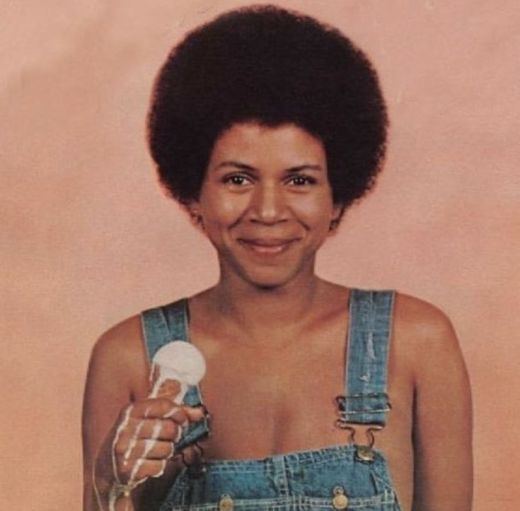
Image: ©Epic Records. Singer-songwriter Minnie Riperton (1947-1979) in the cover shot for her gold album Perfect Angel (1974)

What Can You Do to Cultivate Customer Loyalty?

Recruiting a new customer is a victory, the goal of every business owner and Freelance professional—but you can’t exhale yet. When it comes to making money it’s not only what you make, it’s what you keep, and that folk wisdom applies not only to sales revenue, but also to customers. The real genius of being in business is learning how to retain customers.

Building a thriving community of customers is foundational to sustaining a business entity; strategies dedicated to nurturing customer loyalty by persuading them to continually do business with you is an important part of a comprehensive marketing plan. Loyal customers are repeat customers; they also refer new customers and that makes it imperative to develop strategies that generate and encourage customer loyalty. Neglecting this function can easily result in customers you worked so hard to attract eventually moving on, perhaps to do business with a competitor.

Unfortunately, many businesses struggle to retain customers, a consequence that can diminish sales revenue and weaken the ability to survive. It has long been known that implementing strategies designed to retain customers is fundamental; customer acquisition cost has increased by nearly 50% since 2013, making it so much more expensive to acquire a new customer, as compared to the cost associated with retaining an existing one, further proving the value of repeat customers and promoting the loyalty that stimulates repeat business.

Customer loyalty is the happy result of the relationship between satisfied customers and the businesses they know and trust. Building a loyal customer base for your entity brings benefits in at least two ways—it discourages customer churn and therefore limits the marketing dollars you’d need to spend trying to retain them and second, loyalty helps you grow and preserve your current group of customers. Not only that, promoting loyalty can also convince customers to become cheerleading advocates for your brand.

In other words, encouraging customer loyalty can do wonders for your business, like enhancing sales revenue, strengthening customer relationships and brand building. You just need to work at it consistently! Below is a list of customer loyalty strategies, one or more that’s sure to be useful for you.

Exceed expectations

Customer expectations are feelings, actions and outcomes that customers anticipate will result from their experience with your brand, from first impressions to final purchase and on to using the service or product that was purchased. You’ve probably heard the oft-repeated advice that urges businesses should “under promise and over deliver”—you do that by exceeding customer expectations. So, if you promise a customer that you’ll follow-up to answer a question or resolve a problem within 24 hours and you contact the customer within six hours, you’ve exceeded customer expectations and planted the seeds of loyalty. Common customer expectations include:

  • Quality product. Product quality is at the top of most customer checklists. They want a product that meets their needs and delivers on the promises of its description, photos and reviews. 
  • Great customer service. Customers expect businesses to provide friendly and knowledgeable customer service before, during and after they make their purchases.
  • Value for price. Value is represented by the satisfaction customers feel when the price of the product or service seems appropriate (or like a good deal). Perceived value for money spent is subjective, but customers want a price they believe is justified.
  • Personalized interactions. Customers want to feel like the company values them by providing an efficient, pleasant and personalized buyer’s experience.  

Exceptional customer experience

Promoting customer loyalty involves more than offering products and services that satisfy the needs, goals, or problems of customers. To truly win over a customer and create loyalty, you must persuade them to become your cheerleaders. An exceptional customer experience is the true foundation of customer loyalty. Superior service is integral to encouraging customer loyalty and promoting positive word-of-mouth that differentiates you from competitors.

Customers who are pleased with the experience your brand provides, and also trust the reliability and quality of your products and services, are positioned to become loyal customers. They’ll usually be happy to share their favorable experiences with friends, family and colleagues and give your brand enthusiastic endorsements that commonly result in referrals of new customers and repeat business. These demonstrations of customer loyalty are a powerful, and inexpensive, way to reach new customers and build your customer base, sales revenue and brand.

  • Surprise and delight. To create a positive, memorable experience for your customers, remember that it’s the small and unexpected things that keep them coming back.

Expertise

Because your goal is to attract and retain customers, generate referrals and recruit brand cheerleaders, know that you’ll promote those aims by demonstrating that you are a reputable and trustworthy expert in your field. You’ll build credibility and customer loyalty by sharing your professional know-how with customers and prospects.

  • Educate customers. Content marketing is all about educating customers and it is now the marketing strategy that most customers prefer. The purpose of marketing is to persuade prospects to do business with you. For example, if you are a Freelance gardening and landscape specialist, you would do well to create videos, and/or publish a monthly newsletter or blog that focuses on helping plants survive winter and how to prepare a garden for spring plantings. Throughout the seasons, new posts will address how your readers can create a beautiful garden. Distribute your customer/ follower education info to your email list and encourage list members to subscribe to regularly receive the info.

Reliable

Conscientiously build a reputation for being consistent and dependable to further support customer loyalty for your brand. For example, if you promise that a product will be delivered within 48 hours after purchase, take steps to ensure delivery occurs within that time frame. Or if the graphics for the marketing campaign brochure you’re creating for a client must be ready for a 10:00 AM meeting that your client has scheduled with his client, be prepared to work as long as it takes to produce a perfectly designed and edited deliverable at the agreed-upon time and place, to make both your client and yourself look good.

Flexible

While it’s important to have policy and procedure guidelines in place, it is smart to remember that customers have circumstances and problems they grapple with. So, if you’ve established a 14-day return policy, but a customer wasn’t able to return the product within that window, perhaps because of a business or family emergency, graciously accepting the return and offering either the usual refund or store credit may be the best course of action. It’s likely that you’ll gain much more than you’ll lose and it will be an effective way to encourage customer loyalty.

Communicate

One of the easiest ways to keep in touch with customers is through email. Ask for customer email contact info after completing purchases, or while they explore your sales/marketing funnel during the buyer’s journey, so you can send information that a prospect would like to see, or keep existing customers updated on new products, or perhaps follow-up with them after a sale to inquire about their perception of their customer experience. This information can be used to improve customer satisfaction.

Studies have proven that personalized emails have a transaction rate 6 times higher than impersonal emails. Addressing recipients of your marketing emails by name, sending birthday or holiday greetings to existing customers, or thanking a customer for a recent purchase are the types of outreach that customers appreciate. Personalized messages can help create an emotional bond between your brand and your customers that promotes customer loyalty.

Social media platforms will help to bring your customers into a community. Communities are an effective way to start conversations with your customers and also encourage user-generated content. You might start by inviting customers to share pictures of themselves using your product for posting on Facebook, Instagram, or Pinterest, for example.

Feedback

Whenever a customer makes a purchase, request their feedback with an email questionnaire or online survey link sent to their email (you can also place that link on your company website). It’s important that you know what customers like or dislike about your products and/or services and how they feel about your customer service and experience. If you aren’t aware of this information, you will be unable to make changes that will make your customers happy. Always be ready to listen to customers and address their concerns a timely manner. Make it easy for them to get in touch with your company by clearly displaying the email address, phone number and social media links on your website and in emails.

  • Make it easy to communicate with a real person. While technology has made it easy for customers to find information regarding your product or service, it’s a mistake for business owners to hide behind a wall of tech. There’s going to be an event that causes a customer to feel the need to speak with a real-life person. Make sure that your contact information is easily located on your website and in your emails and follow-up on inquiries in a timely fashion.
  • Spend time with customers. Speaking with customers is good business—they’ll immediately recognize that you care about them as individuals and want to provide a pleasing customer experience for them. It’s Relationship Building 101. Furthermore, you can learn a few things, such as what motivates them become, and remain, your customers. What you learn in conversations with customers is invaluable—the intel can be used to generate more specifically useful content and support the development of more effective marketing campaigns. Moreover, you might even be able to recruit customers who are especially happy with your brand to share their experiences in testimonials or case studies.

Transparency and integrity

There will be days when things fall apart. Rather than retreating into excuses and denial, put your big boy/big girl pants on and be honest with customers about the bad news. Mistakes happen; customers know this and when you face up to the problem, customers will respect and appreciate your honesty. Don’t get defensive or over-sensitive if you get called out on something that was your fault. Instead, use emails and social platforms to take responsibility and resolve the issue.

Train employees

Employees are part of your team and they are capable of generating customer loyalty—or destroying it. Employees who buy into your brand promise and culture are more likely to themselves feel loyal toward your company and inclined to share their enthusiasm with friends, family and the customers they assist. Make sure your employees have the proper training and tools to enhance the customer experience and keep them updated about company developments that will support their work. Always treat employees with respect and listen to insights and suggestions they have to streamline procedures, sharpen your marketing campaigns and pay special attention to any rumblings of customer discontent.

Incentives

You want to give customers reasons to keep coming back and that’s when incentives can be helpful. Your give-away could be as simple as a 10% discount on their next purchase that is at least $50 or giving them a free (relatively inexpensive) branded item after their tenth purchase. Instituting a loyalty program might include the following.

  • Points System – Customers earn points which can be used for a reward.
  • Tier system – Provide a small reward and increase the reward over time.
  • Support programs around your customer’s values – Customers aren’t just concerned with monetary rewards, show your support for programs that they support.
  • Coalition programs – Team up with a related company for deals outside of your company

Happy New Year!

Kim

Image: © The Next Crossing. Marrakesh, Morocco 2017

Survey: Freelancing in America 2020-2021

Upwork, the largest online marketplace for connecting Freelance workers with those who might hire us, continues to examine the state of Freelancing in America, a project the company began in 2014. I last reported on the survey in 2017.

As you probably guessed, the number of Freelancers, and clients willing to hire independent workers, continues to grow. To study the current state of Freelancing, Upwork’s 7th annual report, researchers surveyed 6,000 Freelance workers in the U.S. Survey respondents covered the spectrum—full-time, part-time, the side hustle (formerly known as moonlighting) and occasional workers. The data revealed that 59 million Americans performed Freelance work of some sort during the previous 12 months, an increase of 2 million Freelancers since 2019 and representing 36% of the U.S. workforce.

The response of businesses to the coronavirus shutdown that began in March 2020 caused seismic changes in the workplace. Impacting mostly white collar office workers, the Work From Home revolution would become a turning point for employees and their employers. By spring – summer 2021, COVID-19 vaccinations were well underway and many employers began to ask their employees to return to the office, but there was sometimes pushback. As children returned to school, working parents found it easier to WFH when the burden of toggling between paid work and supervising classroom lessons had ended. According to researchers at Upwork, it is anticipated that 40 million or more employees will work from home at least one day/ week by 2026.

WFH had more reach than could have been imagined, giving rise to the unprecedented Great Resignation. The U.S. Department of Labor reported that from April – June 2021, 11.5 million workers quit their jobs; in September, another 4.4 million left their places of employment. It appears that employees are done with office politics, done with endless meetings that have no purpose and done with bosses who withhold pay raises and promotions because they enjoy controlling people’s lives.

As you might expect, the Great Resignation impacts Freelancers because they have to make a living somehow. Furthermore, the WFH phenomenon has speeded up a growing acceptance among managers of hiring Freelance workers. Upwork in August 2021 reported that 53% of managers are now more willing than pre-pandemic to hire Freelancers for selected projects and tasks, as a result of their experience with remote workers in their own organizations.

See the full Upwork report for more details. https://www.upwork.com/i/freelance-forward

  • As of July 1, 2021, 59 million workers in the U.S. performed Freelance labor over the past 12 months, an increase of 2 million workers since 2019 and representing 36% of the workforce
  • Freelancers annual earnings in aggregate were $1.2 Trillion, an increase of 22% since 2019 and representing 5% of the country’s Gross Domestic Product
  • 36% of Freelancers now consider themselves full-time, an 8% increase since 2019
  • The number of Freelancers in the United States has increased by almost 12% between 2014 and 2021
  • 75% of workers who quit their jobs to become Freelancers report that they earn the same income, or greater
  • Freelancers earn, on average, $28 an hour for performing skilled services
  • Young professionals have embraced Freelancing and half of the Generation Z workforce has done Freelance work
  • Freelancers age 55 + comprise 26% of the Freelance workforce and they primarily do skilled and project-based work
  • 50% of Freelancers provide professional level services such as computer programming, software development, marketing, social media, translation and business consulting, an increase of 45% since 2019
  • 51% of Freelancers have participated in skills development training in the past 6 months, as compared to 36% of traditional employees
  • 19% of Freelancers earn $75,000 to $99,999 per year, 12% earn $100,000 to $149,000 per year and 5% earn $150,000 or more per year
  • 58% of freelance workers in the United States have worked with more than 5 clients in the past 6 months
  • 58% of traditional employees who are WFH due to the pandemic are now considering Freelancing in the future

Thanks for reading,

Kim

Image: A Freelancer in America at work