Storytelling Is the New Advertising

Not long ago, advertisements you saw in newspapers and magazines were made to capture attention with style and flare. Whether those advertisements were from back in the day, or 21st century pop-ups that invade the screen on your device as you scroll through websites, ad copy displayed flawless visuals and meticulously phrased text, both carefully crafted to dazzle and persuade a broad swath of the ad’s target market viewers. But that was then and this is now.

In the here and now, tightly scripted advertisements appear to be losing their hold on audiences. The viewing public, some of whom are within your target market, are apparently tiring of what can easily be interpreted as ad agency engineered, focus-group tested and totally corporate. Your future clients, and maybe you, too, value what feels genuine, relatable, believable—authentic. Your future clients are hungering for comfort food served in a favorite neighborhood place, not a four- course banquet served in a grand, Michelin starred restaurant.

What future clients are increasing drawn to is storytelling—personal testimony that comes across as unscripted and communicates a set of values and guiding principles that inform how you conduct your business and and even personal life. The influence and impact of storytelling continues to expand and it seems to already have become the future of adverting in B2B and B2C markets.

Advertising experts call the emerging storytelling phenomenon the trust economy and it is winning loyalty (and wallets) with its apparently unrehearsed, believable, real first-person accounts that are overtaking the glossy ads of days past. For example, brands that feature storytelling by the company founder—maybe showing a clip that illustrates what’s happening behind the scenes or revealing that a percentage of company profit is devoted to a certain philanthropy and also explaining how the recipients benefit— are winning customers, growing their follower and customer communities and surpassing the usual results of traditional advertising. In today’s marketplace, authenticity—which is a defining ingredient of trust— has become real currency. Authentic storytelling is how you can earn it.

Maybe the rise of storytelling is a reaction to all those banner ads and pop-ups that clutter screens and have come to annoy digital audiences? Ad-blocker usage is high, especially among Generation Z (born 1997-2012) and Generation Alpha (born 2010-2025) cohorts, whose members show skepticism toward traditional advertisements. According to marketing researchers and thought leaders, authenticity is now a leading B2B purchasing driver, with prospective buyers more likely to buy from brands they perceive as transparent and real. This generational demand for “truth” means over-engineered marketing campaigns and content may no longer resonate with your target audience. But the apparently candid testimonials that typify storytelling are perceived as believable, authentic and trustworthy.

Powerful stories

On every continent and throughout human history, people with a gift for telling a story have held power in their community. We like hearing a good story that is told well. Stories told by company founders and even employees have a persuasive resonance in today’s marketplace. For example, entrepreneurs who share factors that motivated them to launch their business entity and tell the company origin story—and perhaps bravely admitting their struggles, pivots, or failures — create intimacy and relatability with their audience that neither impossibly glamorous models or bland-looking actors who were once the faces of hundreds of companies, smiling and spouting the official brand messages—cannot match.

Furthermore, traditional ads—TV, radio, print, or digital— are more expensive than ever and their returns are diminishing. By contrast, trust and authenticity-driven advertising (marketing) campaigns often require smaller budgets and deliver outsized impact in viewer engagement and word-of-mouth.

Storytelling, which is an outbound marketing strategy and therefore defined as a push promotional marketing tactic, is fundamentally different from the typical message broadcasting that defines outbound marketing, from television, radio, or print ads to sponsoring the holiday tree lighting in your neighborhood.

Expert storytelling invites the audience into a journey. Stories are a shared experience, personal and intimate and capable of making what is a transactional relationship—selling and buying— into communities of shared values and beliefs and whose participants can develop loyalty. Harvard Business Review notes that brands that present authentic narratives in their advertising and other content marketing activities see measurable improvements in consumer trust and loyalty. As well, Nielsen’s Trust in Advertising Report highlights that recommendations from “people like me” remain the most trusted source of brand information and vastly outperforms paid ads.

Build trust into marketing strategies

The core of storytelling is about developing a narrative that is believable and therefore resonates on an emotional level with audience members. The goal is to create a connection with your audience that inspires trust in and loyalty to your brand. A marketing strategy whose message prioritizes truth and has authenticity as its core delivers story narratives that your current and future clients will believe in. Your brand story, when effectively told, can connect with your current and future clients on a deeper level, providing feelings of belonging and loyalty. This emotional connection is crucial in building a lasting relationship between the brand and its consumers. When developing your storytelling strategy and choosing key elements to incorporate in the narrative, you might include:

  • showcasing not only the company founders, but also employees as storytellers
  • Sharing behind-the-scenes happenings with humility, honesty and maybe a touch of humor as well
  • Participating in social media as well as selected in-person community events or platforms to create opportunities that invite two-way communication with your clients, prospects and other followers
  • To evaluate the impact and outcomes of your storytelling marketing campaigns, measure not just impressions but also viewer sentiment, advocacy and engagement metrics

Develop your brand story

Storytellers may sound unscripted and in the strictest sense of the word, that may be true. However, effective storytellers, whether they are entertainers or entrepreneurs, know their talking points. They know the theme and purpose of the narrative. They know how to present the story to the audience and make it capture attention and flow. In other words, creating an effective brand story requires careful consideration. Here are key elements to keep in mind:

  • Know your audience: Understanding your target audience is always essential in public speaking. Make a list of what you feel represent your values, guiding principles, priorities and purpose and consider how they impact the company. You may also want to include challenges and pain points and a reach-for-the-stars goal or two. Tailor your story narrative to resonate with your audience.
  • Clear message and purpose: You don’t want to rant, you don’t want to humble brag. You must have a purpose, an objective, that can lead you to devise a compelling story. Your story should have a clear and concise message. Avoid overcomplicating the narrative; focus on the core message you want to convey, keeping it simple. You should have a Call to Action—what do you want your audience to do—maybe make a purchase, so that they can feel philanthropic by knowing that a portion of each sale will be used to fund a worthy cause, e.g., a healthcare or educational organization?
  • Authenticity: Authenticity is crucial to storytelling. Your clients can easily detect inauthentic narratives, which can damage a brand’s reputation. Ensure that your story aligns with your brand values, company vision and mission.
  • Emotional appeal: Incorporate elements that evoke emotions. Whether it’s joy, sadness, inspiration or nostalgia, an emotional connection can significantly enhance the impact of your story.
  • Organize the narrative: Your story must have a beginning, middle and end. It must have an intro that intrigues viewers and a conclusion that inspires them. A Call-to-Action will tell them how to direct the emotions your story has built up; it creates a common purpose among audience members and is a bonding and community-building experience.
  • Visual and verbal aspects: Combine visual and verbal elements to create a cohesive and immersive experience. Use imagery, videos and written content to bring your story to life.

Thanks for reading,

Kim

Image: © Alejandra Brun/ Agence France-Presse for Getty Images. Charles Robinson, member of the Choctaw tribe (AL, LA, MS, OK), dances during his storytelling presentation in Lima, Peru, August 2003
How a Social Media Strategy Can Power Up Your Brand

The old saying is still correct—clients (and those who might become clients) do business with those they know and like and do more business with those they know and trust. If you operate in the Freelance B2B consulting sector, you know it’s vital to continually demonstrate your expertise because that’s one of the best ways to win the respect and trust of prospects who might hire you. It’s imperative to make it clear to those motivated to become paying clients that you’ve got the right stuff, that you can be a trusted resource, that you have the capability to resolve their pain points by recommending the right business solution.

Your mission is to get the word out about your insights and abilities and showcase a brand that inspires trust. Bring to audience attention your relevant and timely info that’s delivered in the form of perspectives and insights that resonate. Seeing is believing and becoming a familiar presence in media outlets that your target prospects visit and trust will pay big dividends.

In the B2B sector credibility, relevance and trust are the building blocks of a winning brand reputation and are the foundation of a successful business venture. You access those building blocks by demonstrating value to prospects and peers. One of the most reliable strategies you can enact when your goal is to demonstrate value to prospective clients is to position yourself as a trustworthy thought leader who provides relevant, timely and actionable information. Among the most efficient channels to broadcast information to your target audiences is social media.

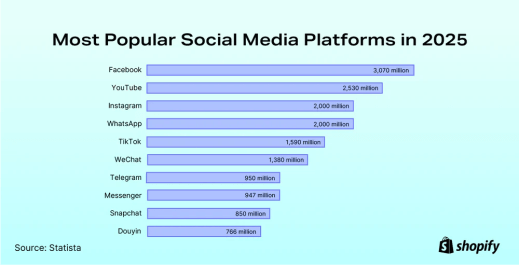
Social media has become a cornerstone of the B2B product and services buying journey. Prospects typically view up to 12 types of content, with 40% of B2B buyers including social media in their purchase research. As your prospects search for info, the right SEO search terms could call up your content and make your thought leadership info available to impact a purchase. Remember also that social media platforms are a two-way street and equally useful for not only broadcasting information, but also for listening and learning by starting and contributing to conversations. By becoming active on LinkedIn, which is the preferred B2B platform, and also X, YouTube and/or Instagram, for example, you’ll not only have a presence on platforms your prospects follow, but you’ll also get confirmation of their topics of interest in the moment, plus a heads-up on what may capture their interest in 2026. Below are four strategies for using social media to enhance your brand and grow your client list.

  1. Provide informative and timely content

By positioning yourself as a go-to source of useful insights and info, you’ll win audience trust—and that is vital. The quality and timeliness of the information you deliver, whether by text, video, or audio, will enhance your value. Distributing your thought leader content on social media platforms favored by your target audience maximize distribution and help you build a following. You’ll benefit from increased name recognition, eventually acquire trust and influence and, ultimately, you’ll create for yourself a solid brand reputation. Insider’s tip: linking your blog and/or newsletter to one or more social media platforms when you publish is a great way to share your compelling content with a wide audience (readers will find my weekly blog at LinkedIn activity/posts.

Video is a growing medium in the B2B sector because social media audiences find it easy to digest and, apparently for that reason, an attractive format. While YouTube is the platform of choice, all major platforms host video/audio content, that runs the gamut from short-form clips to long-form videos and live streams. Posting a webinar in which you took part or the podcast on which you made a guest appearance are excellent video opportunities for B2B Freelance professionals.

Case studies and client testimonials likewise make compelling video content. In fact, it may be easier to recruit your satisfied clients to sing your praises in a video rather than providing a written narrative of the process. Furthermore, if you’d like to present a show-and-tell tutorial that explains the rationale for using your product or service and quickly break down how users can benefit, a video interview in which you take center stage may be easier for prospects to visualize how your solution can be implemented for their needs. BTW, video/audio content, plus any noteworthy information you post to social media platforms, such as a case study, should also be posted on the only platform you own and control—your website.


2. Share client success stories

Nothing succeeds like success and sharing the occasional client success story (maintaining the client’s confidentiality, when requested) helps prospects envision the effective solutions that you might create for them. Examples of your willingness to personalize your solutions by, for example, simplifying your solution or providing an upgrade, or facilitating post-sale training or other supportive services—without violating your competitive advantages—are persuasive and make for memorable brand-building content for your organization.

3. Be authentic and consistent

X and LinkedIn are the usual go-to platforms for serious conversations. When you have something relevant to contribute, whether you make a thoughtful reply to a comment or offer a new perspective that you expect to generate comments from other readers, you demonstrate your authenticity, as well as your expertise and maybe out-of-the-box creativity. Joining one or more LinkedIn professional groups that are related to your industry or subject expertise can introduce you to a good forum, where you can contribute insights and learn new perspectives from thought leader peers.

4. Be transparent about values and culture

A growing number of consumers, B2B and B2C, are interested in the values and culture of companies with whom they do business. Storytelling is a relatable format and social media is an ideal platform for you to demonstrate and express what your company stands for and how your values impact your business practices. Your clients and prospects are not dismissive of a company’s purpose, vision, mission and guiding principles and may be very pleased that you’ve shared this foundational information.

Moreover, don’t hesitate to show behind-the-scenes evidence that shows you immersed in community work, be it a corporate social responsibility initiative, board service, or other volunteer participation. If you participate in a charity event, such as a holiday toy drive for local children, or sponsorship of your neighborhood Christmas tree lighting and party, consider documenting portions of the proceedings and, better still, invite top organizers to contribute a short interview to describe the goals for the event and the constituency it benefits in a video (be sure to respect the privacy of other participants). Clients and prospects like to know that you’re giving back or paying it forward.

Thanks for reading,

Kim

Image: © Statista May 2025

Level Up Your Thought Leader Cred

Being a thought leader is a vital ingredient in a Freelancer’s recipe for a B2B content marketing strategy that moves the needle. In fact, establishing yourself as a credible thought leader is foundational to building a thriving Freelance client list. Freelancers must recognize that business acumen, lived experience and data you share with content followers, some of whom are prospects and clients, is a valuable strategic asset. What you know and how you express your knowledge is the core of your Unique Selling Proposition and the engine that drives your ability to deliver solutions that produce results and convert prospects into paying clients.

Many independently employed professionals label themselves an “expert in the field and thought leader,” but few do so with a carefully considered sense of purpose that leads to an actionable outcome—like persuading a hesitant prospect to become a client. In today’s hyper-competitive marketplace that’s populated with cautious prospects who’ve lengthened B2B sales cycles and pushed your next paid invoice farther into the future, it is imperative to distinguish yourself from those whose “thought leadership” amounts to checking the box and calling it done.

Tickling a handful of marketing metrics doesn’t prove that you’re a credible thought leader, either; click bait posts and articles are only eye wash and audiences recognize it. True connaisseurs of thought leader content track business impact (vs. 63% overall) and 51% track brand authority (vs. 38% overall) to assess how audiences really feel about their content. They measure the relevance of their thought leadership with insightful metrics:

  • Audience engagement — views, downloads, shares (80%)
  • Business impact — lead generation, pipeline influence (63%)
  • Audience feedback — client/prospect feedback, sentiment analysis (40%)
  • Brand authority — speaking/media opportunities, publication citations (38%)

Furthermore, connaisseurs publish their thought leadership on marketing channels that provide an audience of B2B prospects who are serious about obtaining useful information. If you are not currently publishing on these channels, as well as getting out in front of a live audience every once in a while, add these items to your thought leadership promotional activities.

  • LinkedIn (76%)
  • Email newsletters (54%)
  • Speaking events, webinars (52%)

Those who “get” the power of thought leadership know that the information they present may be used by audience members who are either familiar with or contending with a particular challenge. The insights and info you present as a thought leader is used to support responsible decision-making, whether in the moment or in the near future. Therefore, the goal of savvy Freelancers is to produce credible, possibly innovative and reliably useful thought leadership content that followers and other readers or viewers will notice and remember. Below are thought leadership ingredients you can use to develop your recipe for success.

1. Solve a problem readers will recognize

Effective thought leadership is born of a vexing problem that is urgent—an emerging risk, a stubborn and mysterious challenge or failing, or even a misunderstood opportunity. The most perceptive and confident thought leaders will dare to step outside the usual narrative or practice and provide a perspective the audience hasn’t heard before and use it as a launchpad for potentially effective solutions. Does your thought leadership content inspire your audience make smarter, braver, decisions, or help them to avoid a potentially costly error, or problem they may not have considered?

Thought-leadership content that presents insights and information that helps decision-makers perform not as mere functionaries but as leaders who know how to keep the mission-driven goals of their organization in the forefront builds trust and separates you from competitors. To achieve that, thought-leaders must be aware of what audience members need to know now—before a competitor tells them first.

2. Present thought leadership content with an out-of-the-box idea

Defining the problem is where thought leadership starts and proposing an innovative way to perceive and address it is what gets thought leader content noticed. A true thought leader is provocative, one who reveals an “aha” moment that makes a new way of looking at things both credible and memorable. Create thought leadership content that challenges conventional wisdom or reframes a common problem in an unexpected way—and show your audience that you understand the problem and how it can be solved.

To stimulate your creative spirit, you may want to employ an Artificial Intelligence tool to rev up your brainstorming. You’ll have to experiment to find the right prompts that help you discover intriguing, but credible, possibilities for topics that answer questions for readers and reveal what they consider to be an emerging concern. AI can also help you frame your approach to the topic and provide suggestions as to which narrative threads might be included in your content. Also, use storytelling to shape your content, as it is usually the most relatable way to communicate with your audience—and they’re more likely to retain the info you deliver.

A concise overview of a case study or references to insights gleaned from user generated content that’s appeared on your company’s social media accounts are excellent sources of lived experiences that are provided by your very own followers. You can also discover topics to explore as well. Let AI help you start the brainstorming process by showing you topics that your audience are likely to find relevant and then build your case with real time source material that might reflect both your own experiences and that of your clients.

3. The best thought leadership content is in the trenches

When scouting for source material, keep in mind that residents of the C-Suite may not give you boots-on-the-ground perspectives or stories that reveal out-of-the-box perspectives or possible solutions that bring “street cred” to your thought leader content. Clients and colleagues who have a customer-facing role are better positioned to provide you with the most interesting topics, experiences and insights that bring authenticity to your narratives. You want reports from those who notice shifting customer behavior, for example, and other grass-roots experiences that bring a rawness and depth to your thought leader content and makes it relevant to a wide audience.

4. Thought leader content is considered useful

Good thought-leader content earns attention by delivering relevant information. That doesn’t mean checklists or how-tos—but it does mean clarity and ideas that make a subject that is complex feel as if it can be navigated and understood. When your followers and other readers finish your article and let the information you provided and hit the save and/or the forward button, that will verify your status as a thought leader. Useful content helps readers do things like:

  • See a risk they hadn’t considered
  • Argue for a decision internally
  • Convince the audience to take action
  • Shift the mental model audience members were using

Thanks for reading,

Kim

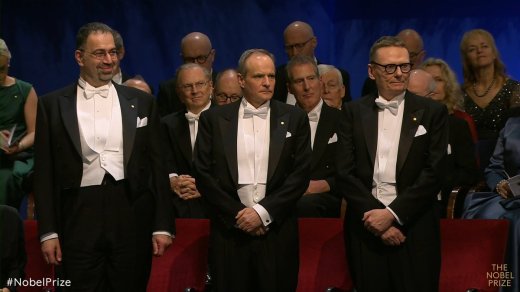
Image: ©nobelprize.org (L-R) Daron Acemoglu of the Massachusetts Institute of Technology in Cambridge, MA, Simon Johnson of MIT and James Robinson of University of Chicago in Chicago, IL

Public Speaking: A Competitive Advantage You Can Attain

Communication is essential to professional success and the quality of your communication skills can directly impact the trajectory of your career, whether you occupy a high or humble station on your employer’s organizational chart, or you own and lead a business entity, large or small. Regardless of your status or stature, well-honed communication skills can bring significant benefits to your professional fortunes, whether you’re attempting to network your way into a new employment opportunity, pitching potential investors needed to launch a start-up venture, trying to attract capital to fund the expansion of an existing venture, or searching for future clients. All communication formats, from personal conversations to videoconference meetings, telephone calls to email correspondence and even online social media chats, can help to polish your communication ability and contribute to your advancement in the professional sphere.

There is another communication format that delivers significant benefits and you should not ignore it—public speaking. If you aim to raise your profile in your business community, position yourself as an expert and thought leader and expand your professional network, recognize that public speaking will not only contribute substantively to your business agenda, but also showcase you as a leader. Public speaking enhances professional credibility and trust as it increases business growth potential. Public speaking is a competitive advantage that you can attain.

Step up to the podium

Public speaking is a valuable soft skill that you can make one of our strengths. In the public imagination, public speaking is associated with standing on a big stage and facing an audience of hundreds—a sometimes frightening prospect for many of us. However, public speaking is more often the domain of mere mortals—classroom teachers, speakers or moderators on panels, podcast guests and featured speakers at conferences and other events—and those who introduce those speakers. You can build your public speaking proficiency by taking on any of those public speaking roles.

Strong communication skills build networks and reputations that attract prospective clients, potential business investors or partners and may bring other business opportunities to your door as well. The key to public speaking is to clearly and confidently communicate your vision, value and unique offer to people who matter and whose support and cooperation you need— your team, investors, clients, or community. Developing your public speaking chops can be a game changer. While many skills matter in business, this one may be the most influential.

Public speaking skills suggest leadership ability

Engaging public speakers are perceived as more competent, likable and persuasive by their audiences; exceptional verbal communicators are likely to be perceived as experts and an authority in their field. According to a 2017 study published by the University of St. Thomas, Minnesota, public speaking skills are associated with leadership ability, credibility and influence in professional settings.

Once you’ve demonstrated the ability, and the courage, to stand in front of a group of people and clearly and convincingly present relevant information, that is, tell your story, your plan and your track record, with confidence and passion, you will likely gain the respect and trust of audience members. That respect and trust will establish you as an authority and has the power to persuade many of your audience members to follow your call to action and hire, buy, invest, partner, or support you or your concept. Even now in the age of virtual meetings, to mount the stage and communicate your ideas, thoughts and unique offer in a relatable manner will set you apart from others.

When you speak engagingly and confidently, you naturally attract people. You become memorable and people want to connect with you. A reliable and supportive business network isn’t built by handing out business cards — it’s built by making connections and bringing value. When you speak at conferences or other meetings, the value you deliver to audience members is amplified and you are able to create connections at scale. Each public speaking venture results in a growing network of people who trust you and want to work with you.

Know Your Audience

Enable yourself to deliver clear, valuable and relatable information by ensuring that you are apprised of the audience’s understanding of your topic and what it means to them. For example, avoid using niche acronyms that are acceptable when speaking to those who are highly engaged or have deep knowledge of the subject, but are largely not in the lexicon of those who are interested observers, but not experts. Understanding the perspective of whom you’re speaking to helps you communicate your talking points more effectively.

Furthermore, be mindful that your body language and other forms of non-verbal communication can say more than words. Pay attention to your posture, facial expressions and tone of voice. Refrain from frowning, maintain a pleasant facial expression that communicates your engagement with the topic and the audience and keep good eye contact by looking at audience members seated in different parts of the room. Let your posture communicate your confidence by straightening your spine, relaxing your shoulders and standing with your feet at about hip distance apart, to take on the so-called power stance that radiates both authority and comfort, without appearing aggressive.

Prepare for your speech

Some of you are “natural” public speakers, but most need lots of practice to attain the confidence that makes one effective. Here are some tips to improve your public speaking skills:

  • Be confident – Confidence makes you appear more credible and likable.
  • Be authentic – Speak naturally, don’t over-rehearse or memorize and let the real you be present.
  • Use voice modulation – Vary your tone and pace to stay engaging.
  • Keep it short and digestible – Attention spans drop after 20 minutes.
  • Tell stories – Storytelling creates an emotional connection and makes messages memorable.
  • Use repetition – Reinforce key ideas by repeating them clearly—tell your audience what you’ll say. Tell them what you have to say. Conclude by summing up what you told them.
  • Practice with intention – Rehearse like you’re live to build confidence and flow but do not try to memorize.

Thanks for reading,

Kim

Image: © freepik.com. University of Maryland Global Campus

Create Content That Delivers

You will agree that the internet is the leading source of information and entertainment for everyone on Earth who has connectivity. The global data and business intelligence platform Statista reports that in 2025 5.56 billion, approximately 65% of the world’s population, has internet access. To nearly every business entity on the planet, that means about 5.34 billion potential customers—many of whom are too young to launch a buyer’s journey, but some of whom might influence purchases their parents make—are available to receive online marketing information.

While the vast majority of the world’s internet users will become the customers of only a select few brands, the wide acceptance of digital communications gives marketers everywhere the green light to create and post a vast amount of marketing information and the digital space is now awash in content of every type—audio, video, images and text. Audience appetite for content, whether information or entertainment, shows no signs of abating. The number of digital content websites and platforms continues to proliferate and invite contributors to produce still more content, all of which beckons viewers, listeners and readers to show some love and click here, please!

Content saturation of the internet is an inevitable phenomenon. According to the nationally known content marketing expert Neil Patel, nearly 40 % of enterprise companies plan to increase their content marketing budgets this year. Freelance solopreneurs and smaller business entities will likewise continue, or perhaps increase, their content marketing activity as well, but the dominance of content presented by the multinationals can easily cause the comparatively modest content produced by small entities to be overwhelmed as if by a riptide. Freelancers are understandably frustrated with this occurrence. How can you become more visible when your content must swim with the whales—and sharks?

It’s a vexing problem for sure but there is a commonsense strategy, one that plays to your strengths and demonstrates resourcefulness and creativity. The best response to content saturation is to activate your problem-solving ability and devise a strategy that guides you to create content that not only resonates with your audience, but also positions you to gain and maintain the attention and loyalty of your target audience. Whether your information is intended for social media posts, or focuses on developing and promoting content featured in your webinars, weekly blogs, or monthly newsletters, be reassured that content perceived as valuable will be acknowledged and followed by your target audience. It’s just about guaranteed that content featuring information that is specific, practical and actionable will result in a loyal and thriving audience who will regard you as a trusted expert. So, your mission as a content producer is to learn what is meaningful to your readers, listeners and/or viewers and let their priorities guide your content development and distribution strategies.

Educate yourself by reading articles that discuss from local and national perspectives developing trends, pending legislation, competition, opportunities and other updates in your field. Producers of relevant content must also be consumers of relevant content! If producing content figures prominently in your marketing strategies (and I know that it does), you may find one or more of the following five suggestions able to enhance the value of your marketing content and also position your content to bring in a healthy ROI—which might include establishing you as a thought leader.

Relevant, realistic and relatable information

Content that your audience considers to be relevant and practical is more likely to be valued, implemented and shared. Gaining a reputation as a reliable and respected source of content by your audience will incline them to become your followers or subscribers. Content that your viewers, listeners, or readers consider potentially actionable and known to be trustworthy can also encourage loyalty to you, your content and your organization and may persuade some to become your customers. To create content that’s considered useful and trustworthy, and resonates with your audience, you must stay ahead of emerging trends in your industry and be aware of and responsive to the evolving preferences, priorities and concerns of your customers.

Actions are easy to implement and afford

Your audience should be able to envision the usefulness of the actions or strategies your content recommends, even if only a minority of them is prepared to implement your ideas now or in the near future. Individual circumstances will dictate what audience members decide to do, but any advice put forth in your content must inspire confidence.

Furthermore, your content should not recommend actions or strategies that involve implementation costs that many would consider expensive. I’ll go so far as to say that the average B2B content viewer is looking for ideas that can, with a minimum of time and fuss, be used to grow their customer list, streamline business operations and either save or make money—practical advice that can be implemented at no cost or low cost. While business expenses are inescapable, content creators win more fans by recommending actions that demonstrate recognizable value and are accessible and affordable to the majority of the audience.

Your content is your own creation

Rather than doing a copy/paste of another’s work, content creators should value their lived experience—victories won and battles lost, resilience found, the worries of sleepless nights and sudden inspirations—and share those stories with your audience in ways that will be interesting and useful to them. Producing content is usually time-consuming, but that is the price of authenticity and it is worth it. To give yourself a starting point for your creative process, search for trending topics in your field, or comment on an aspect of the most frequent internet search questions related to your marketplace sector that were made over the past week.

Links to expert 3rd party support

In this post I’ve referenced marketing expert Neil Patel and the global business information platform Statista. Demonstrating to your readers/listeners/viewers that key points of your content are supported by recognized nationally or globally respected thought leaders gives them reasons to trust and value the recommendations and insights offered in your content.

Avoid confirmation bias

Content that is valued and popular is shaped not by the creator’s preferences, but by the readers/viewers/listeners in the audience. A common tactic used to help creators avoid confirmation bias is to simply ask audience members what they want to see and hear now, so that you can ensure the relevance of your content. Every few months, you might create a short survey that encourages content viewers to express what matters to them. In a four or five question survey, you can also slip in one or two audience demographic questions—Are you self-employed or an employee? What is your main area of expertise?—and begin to build an audience persona, which will enable you to heighten your responsiveness to your audience.

  • Social media polls Your preferred platforms provide a convenient means to create and send a survey that will help you learn more about your audience. Social media platforms make it easy for you to engage and more effectively communicate with audience members by providing fully customizable forms that help you expand your reach and even grow your base of followers. Polls are equipped with analytical tools that will give you information on your audience’s age group, location, profession and more.
  • Online and email surveys. The most important part of conducting online surveys is knowing what you want to learn from each question, and to keep questions short and easy to answer. You can also create email campaigns to survey your existing client base and gain valuable insight about them. For a very basic customer survey, ClickInsights sets up a one-question, one-click email survey; create a more extensive survey at Survey Monkey.

Thanks for reading,

Kim

Image: © A Tokyo soba noodle delivery in 1956. Bettmann Archive/ Getty Images

Trending: Traditional Media Outlets

Freelancers and all business owners and leaders are well aware that promoting and enhancing their entity’s products, services and the company brand is a prime and ongoing responsibility. To accomplish that important objective, you’re always on the lookout for marketing opportunities and channels that are a good fit for your brand and also allow you to effectively broadcast your marketing message and/or brand story. As you consider which marketing channels are most appropriate, it would be no surprise that in addition to your company’s website social media, whose active users number in the billions, likely take precedence in your hierarchy of preferred marketing options.

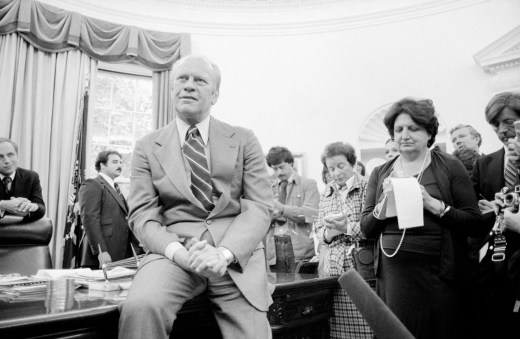
But think for a minute. Facebook et al. do not completely dominate all influential marketing channels; your hometown newspapers and magazines still wield influence in the communities where you operate. Although their number and reach have probably diminished over the years and have never attained audience numbers that rival social media, you may nevertheless find it beneficial to periodically reach out to certain local media to share a newsworthy update about you and your business. Local media outlets and the stories they feature continue to get noticed and command respect. Their readers and listeners could easily include your customers and prospects. Getting yourself and your company featured (positively!) in traditional media outlets, however modest the audience reach, is a marketing win. Consider outreach to local media as part of your personalized marketing strategy.

Getting started

The various social media platforms, as you know, have made it possible for nearly anyone to build an audience if the topic is attractive to readers or viewers and they’re willing to create and post content. There’s no need for today’s aspiring Influencers to work toward a degree in journalism or media communications as a steppingstone to earning credibility and acceptance as a thought leader or style setter.

In stark contrast, traditional media outlets—print, radio, television—have gatekeepers, that is, publishers, editors, or reporters, who control all content that is featured. So, just because you call yourself an expert in your professional field, it will take some convincing to persuade the gatekeepers to quote or feature you in their publication, especially if you lack examples of previous media coverage to validate the expert status you claim. However, if you create an effective pitch in your press release https://freelancetheconsultantsdiary.wordpress.com/2020/02/25/press-release-to-send-or-not-to-send/ that concisely and enticingly explains how your topic (story) is relevant to the outlet’s audience and describe your professional experience and educational background in language that supports your position as an expert on the subject, you could receive a positive response to your media outreach and be on your way to being quoted as an expert source, if not a spotlighted subject of a feature article.

Build your media list

Before you can send a press release, you’ll need a current list of media contacts. Sending a well-crafted pitch that’s tailored to a small but select group of gatekeepers who may be interested in your story and have the power to green light it will always yield better results than sending a pitch to every email address you can find.

Begin building your media list with a visit to the mastheads or websites of media outlets you feel will be appropriate for your story; in many cases, the name and contact info of the editor who manages your story’s category, and/or reporters who cover your topic, will be listed there. You might also search back issues of your preferred publications to find and skim articles by reporters who cover topics relevant to your story and/or your business.

If there is insufficient info listed on the outlet’s website or masthead, search for reporters on X (Twitter), Facebook, or LinkedIn. You can direct message on those platforms, but it may be better to make your media pitch via email; it can be more effective to first telephone the reporter or editor and verify potential interest in your story before blindly sending a press release. Initiating a conversation with an editor or reporter is a better way to build a relationship. Be sure to mention that you’ve read one or two of that reporter’s articles if you get him/her on the phone.

Eye-catching subject line

Regardless of how you make initial contact, if you receive an invitation to provide some details in writing, the quality of your email subject line is the starting point of your media pitch. Whether you DM or chat on the phone, the email subject line will be the first (official) info the reporter or editor sees and even if interest in your story was expressed while on the phone, a riveting subject line will remind the journalist of your story’s relevance. Your subject line may determine whether or not your email gets opened. The viability of your story is at stake.

Devise an eye-catching subject line that contains maximum seven to nine words, if possible. Incorporating relevant current events, using an unexpected statistic or statement, or promising a unique solution to a common problem have been known to capture a journalist’s attention.

Surprisingly, it may be easier to create a good subject line after you’ve written the body of your pitch email. Reversing the usual custom will allow you to see your entire message and the big picture perspective may lead you to create a more powerful subject line. Finally, create a draft version of your pitch and open it on your mobile devices, to confirm that your subject line will always display fully.

An intriguing intro

Because you more than likely have had no previous contact with the journalist, there is no need for friendly overtures. Politely get down to business. If your subject line has held your journalist’s attention, you have just a second or two to keep that attention and a compelling intro is how you do it. You might repeat your subject line and add two or three additional sentences or bullet points to strengthen your case. The examples below may be helpful:

  • The Chief Information Officer at workwear manufacturer Carhartt reported that the company currently utilizes 121 software-as-a-service subscriptions, up from 59 subscriptions five years ago. The number of SaaS subscriptions now exceeds the number of IT employees at the company. “We don’t have enough resources to manage the administrative aspects of the platforms,” says company Chief Information Officer Katrina Agusti.
  • In response to a suit brought by the National Small Business Association against the Treasury Department, the U.S. Federal District Court for the District of Alabama ruled on March 1, 2024 that the Corporate Transparency Act is unconstitutional. More than 32 million U.S. business entities are estimated to be affected by CTA and were required to comply and submit company documentation. While it is likely that litigation will continue to play out in the federal court system, the initial victory has gone to small business and that means compliance with this now unconstitutional regulatory regime can be set aside for the time being.

Identify the problem and its impact on their audience

If the journalist is still reading at this point, congratulations, you’ve captured his/her interest in what you have to say, so it’s up to you to keep them interested with the pitch itself. Most stories in the media are based on some type of conflict—a problem that affects their audience in some significant way.

Succinctly describe the event or challenge and concisely explain how it impacts the media outlet’s audience. Avoid using technical jargon unless you’re pitching to an industry publication and you’re in the field. Your pitch will resonate with the journalist only if s/he feels it will resonate with the audience, so keep readers and/or viewers in mind as you craft your pitch. Keep it simple and clear, expressed in a few brief sentences or better yet, a few bullet points. Statistics and quantifiable data are especially powerful.

What makes you an expert

Compose a simple one or two sentence statement that establishes your expertise and authority to understand and address the topic, for example CPA, CFA, MD, or PhD. Trust and credibility are important to your clients and prospects and also important to journalists and editors. Even if the media outlets you approach are small and local, they must be confident that anyone interviewed is reputable and knowledgeable.

  • (you) are a serial entrepreneur turned investor in start-ups launched by retired professionals
  • (you) own the largest bridal shop in your state and have operated the business for 30 years
  • (you) are a Freelance cybersecurity expert who’s received extensive training in private industry and at government agencies including the U.S. Air Force

What makes you and your story of special interest?

Arbiters of the media are perpetually in search of what will stand out and grab the attention of their audience. Audiences are sometimes interested in what they feel is “better”, but they more often give their attention to what is different. Keep that truism in mind as you create your media pitch because you must possess one or more attributes that make you stand out and capture the interest of a media gatekeeper. Otherwise, journalists will just cite the already well-recognized experts instead of you. You may have a unique perspective on, or solution for, a particular challenge but what is it about you that gives you a special authority to present yourself as a thought leader or expert?

Sell you story by highlighting how you do things differently and why your approach is better for their audience. If you and your 11-year-old daughter have figured out how to sell 5,000 boxes a week of Girl Scout cookies, by all means send a press release to your local newspaper!

Close with a call-to-action

A well-worded call-to-action will serve as a bridge or a well-lit path that encourages the recipient of your media pitch to take action and contact you to learn more about you and your story. For that reason, it is in your interest to conclude your media pitch email by telling its recipient what you’d like him/her to do next—contact you by phone or email as soon as possible to discuss how your quote or story might be featured in his/her media outlet.

A polite, yet unambiguous call-to-action works best. A statement as simple as, “If this sounds like a story you may be interested in covering, please email or contact me directly at (your preferred phone number and email address). It’s been said that failing to request follow-up action on a press release decreases the likelihood of the story being featured.

Thanks for reading,

Kim

Image: Photo by Marion S. Trikosko (public domain). White House correspondent Helen Thomas (R) with President Gerald Ford and White House Chief of Staff Dick Cheney (far left) during a 1976 White House press conference.

“Upload Photo Here” B2B Gets Personal

Creating B2B marketing content that brings in leads and builds your brand is a real challenge! Bound by (real or imagined) expectations to appear “business-like,” B2B content creators are known to merely deliver the info that decision-makers need—the what, why, when, by whom and how a product or service is used, topped off with a serviceable call-to-action. The particulars will be in there but the end result is usually content that’s dry and impersonal. It doesn’t reach out and touch, it checks off the boxes.

If developing B2B marketing content is your responsibility, keep in mind that the decision-makers you aspire to influence are actually human. They laugh, they get bored, get frustrated, curious and (sometimes) inspired. They are busy, if not overwhelmed, and it takes something special to get their attention and win their trust. Your target audience responds best to content that is fresh, unexpected and shows that you understand what’s important to them.

Maybe you’re ahead of me and already have a guerilla marketing campaign in the works, as was discussed in last week’s post? But once the guerilla sizzle has grabbed audience attention, back it up and bring the steak. Your next move is to convert the buzz into confidence and trust that leads to loyal relationships. You achieve that by knowing your clients and using that knowledge to develop content and other means of communication that demonstrates you have their priorities and needs on your front burner. Below are factors to keep in mind and actions you may decide to take as you re-examine your B2B marketing strategy and prepare your organization for the start of a new year.

Personalized customer profiles

To figure out how to sell your products and/or services, you must know the goals and priorities of your prospects and have an idea of what might worry them, too. Accurate and updated client information is among your most valuable resources; data can be collected in quick-and-easy, nonthreatening ways, on your website or social media platforms. In exchange for a prospect’s name, contact info, business name and category, you may offer free 15 minute video consultations, free copies of your case study, or a free link to the webinar on which you made a guest appearance info. Inbound marketing tactics, spotlighted by a tempting call-to-action, not only moves prospects through the sales funnel, it also functions as a portal for client info.

Beyond basic contact info, a review of previous client or prospect interactions with your company will reveal more detailed info, including the purchasing history of current and lapsed clients, their buying preferences, concerns and the amount they spend. Get to know your target audience by understanding their unique preferences and help yourself to retain clients, make more sales and reduce churn rate. Clients and prospects are what a mailing list is all about; it’s members represent potential sales revenue for your company. Consider the following questions as you build customer profiles.

  • Who is a window shopper and who is researching with a goal of buying? Have you designed a “try before you buy” option available to undecideds, or is it effective to initiate a face2face or video meeting to show undecideds how your solution will solve problems and achieve objectives that matter to them?
  • Who are they buying for? Is the prospect an end-user and stakeholder, who influences the purchasing decision, or is the decision-maker, who may not directly use the product or service, doing the shopping?
  • After they complete a purchase, what kind of follow-up support, including info on the optimal use of the product or implementation of a service, would the new client appreciate?

Purpose-driven content

Companies are re-evaluating how they deliver their marketing messages and many now feel that creating purpose-driven marketing content is integral to being seen as relevant to potential buyers. The more you know about the goals and buying behaviors of your prospects, the more successful you’ll become in selling to them. You want information that guides you to describe, price, deliver and provide after-sale support for your product or service in words and actions that are quickly understood and strike the right chords with the target audience and in so doing, earn their trust and confidence. Consider the three phases of the buyer’s journey:

  • Discovery phase: What do prospects see when they conduct a Google search of your entity? What links appear in the results and what story is told about your products/ services and brand?
  • Consideration phase: How is your company represented when a prospect or client engages with your social media and other content? What platform links, articles, images and websites appear?
  • Conversion phase: How does your brand show up when a client transacts business on your website? What action do you want your client to take beyond making a one-time purchase?

Thanks for reading,

Kim

Image: © The Richard Avedon Foundation. Supermodel China Machado (born Noelie da Souza,1929-2016), photographed by Richard Avedon in New York, NY for the November 6, 1958 cover of Time Magazine’s 100 Women of the Year issue.

More than Noise: PR Takes Your Brand to the Top

There are several ingredients in a recipe that results in the creation of a successful business and a good reputation is surely one of them. Reputation, more commonly known as the brand these days, is also comprised of several ingredients and a savvy public relations strategy is one way you can influence the perception of your entity’s brand reputation.

A well-conceived and executed public relations campaign has long been recognized as one of the most powerful strategies available for building a successful brand reputation. The goal of PR is to shape and manage a brand’s reputation and credibility by employing selected media outlets to reach target audiences and cultivate a favorable impression of the brand. Because the perception of a company’s brand influences the degree of success that it achieves, a favorable brand reputation will help position a company to grow and prosper.

Launch a PR campaign for yourself and/or your company by contacting selected media outlets and sending information about an activity in which you (and by extension the company) will participate, or another story line that may interest the outlet’s readers, viewers, or listeners. In a written document known as a press, or news, release, include the basic facts of your story, a brief bio of yourself and your company and a professional-looking photo of yourself. In a day or two, follow-up with the recipient of the press release to gauge the interest level in the story and the possibility of its inclusion in a future issue or broadcast.

An effective PR strategy

By using a strategy of targeted messaging campaigns designed for print media, digital outlets including webinars, videos, or podcasts, speaking engagements and other personal appearances, plus the interaction encouraged by social media engagement, companies and individuals have numerous options for enhancing the perception of their brand within the target audience. Effective and consistently orchestrated PR campaigns create conditions for brand awareness and loyalty to take root over time.

To structure an effective PR campaign specific objectives, messages that resonate and media outlets that are trusted by the target audience and appropriate for your campaign messages and objectives, are critical factors. Knowing target audience motivations for using your company’s products or services provides the campaign talking points. You can tailor PR messages around themes that align the brand narrative with important concerns of the audience. Make sure that your PR messages are clear, concise and consistent across all media outlets used.

A persuasive brand narrative

An important feature in a successful PR campaign is developing a brand narrative that engages your target audience while also differentiating your company (and you) from competitors. To be persuasive, the brand narrative must be perceived as authentic. Drafting a persuasive brand narrative requires that you first identify and define the core values, vision and mission of your organization and second, that you understand what target audience members expect to achieve or solve when they use your company’s products or services. Showcasing the unique qualities and value proposition that distinguish the company, individual, or product from competitors is also integral to developing a persuasive brand narrative.

Again, the brand narrative must feel authentic to the target audience. Authenticity in PR messages enables the development of lasting relationships by building trust through communications that reflect the individual’s or organization’s values. A consistently communicated brand narrative can eventually come to embody the brand reputation. In that way, effective PR becomes the secret sauce that enhances your company’s reputation and renown in a noise-filled, hyper-competitive business landscape.

What is newsworthy?

Regardless of the size of your business, obtaining (positive) media attention is possible and highly recommended. Editors, publishers and hosts choose the stories or guests they’ll spotlight based on who and what can be expected to generate an audience. The best way to determine newsworthiness is to consider the media outlet’s audience and what might be of interest to them. Will your story or information grab their attention? Below are typical factors that impact editorial decisions.

Impact. A story or person that appeals to many readers, viewers, or listeners and is therefore expected to attract a sizeable audience or many clicks is considered impactful. Estimate the impact that your story will have on the media outlet’s audience.

Human interest. Connecting with the audience emotionally is an effective way to bring attention to a story. A story or guest that is relatable has the power to attract a good audience.

Relevance. How important will your story be to the audience? In your press release and in the first sentence of your talk or article, can you share one or two surprising, if not shocking, facts that will grab audience attention?

Prominence. If prominent people or organizations do business with you and your company, media gatekeepers may assume that their audience wants to learn how you captured the attention of VIPs and that could lead them to include your story.

Timeliness. Your information or story will be more readily accepted if the action will either take place in the near future, or happened recently.

Scale PR for small business

The best PR can’t be bought (without a generous budget), but affordable and effective PR strategies and tactics can be designed to fit within most budgets. Social media has found a place in PR because the medium allows brands to interact directly with the target audience, encouraging an immediacy and relatability that audiences find authentic and conducive to building sustainable brand loyalty.

Be advised that incorporating social media into your PR campaigns is most effective when you follow regular posting schedules designed to keep fans and followers engaged and informed with meaningful content. Your postings may include updates on a talk you’ll give, a webinar you’ll host or participate in, best practices updates for your products or services, your most recent blog or newsletter post, or your thoughts or experiences about trends in your industry.

Thanks for reading,

Kim

Image: © Ron Galella. Jacqueline Kennedy Onassis and celebrity photographer Ron Galella on Madison Avenue in New York City (1971).

10 Tips to Energize Email Marketing

Email marketing remains an effective and valuable practice that deserves a place in the marketing strategy of Freelancers and other small business owners. If you haven’t explored email marketing as a way to promote your venture, read on and learn why you will reap benefits from developing email marketing campaigns and how to maximize their success.

Data supplied by Statista, the Germany-based marketing info giant, reports that an estimated 4.3+ billion citizens of planet Earth use email. Maybe that’s why email marketing continues to be central to our business and personal lives? Email marketing campaigns will help you to promote your products and services, acquire new customers or retain current customers, increase your venture’s annual revenue and position yourself as a thought leader and expert in your field.

Email marketing remains one of the most effective forms of outbound marketing, whether you send email appeals and announcements to prospects and current customers or publish a company blog or newsletter. According to data from the e-commerce company Oberlo, 81% of small business owners use email marketing as their primary method of customer acquisition and 80% use email marketing outreach to support customer retention. Marketing researchers have calculated that email marketing campaigns generate an average ROI of $43 for every $1.00 spent. In 2022, B2B and B2C email marketing campaigns combined generated $9.62B in sales revenues.

  1. Update your list. Review your address list each month and follow-up on all emails that “bounce,” that is, are returned. Verify and update the address or delete the name.
  2. Personalize greeting. Your readers likely have little use for a emails that are addressed to no one in particular and reek of spam. Impersonal mailings are not endearing and are usually deleted. Your email marketing distribution service has the capability to personally address the communications you send.
  3. Opt-in, opt-out, sign-up. To grow your database, make it easy for those who’d like to follow you and/or subscribe to your emails by making your sign-up/ opt-in link visible. On the other hand, those who’d rather not receive your mailings should be able to easily decline them. The unsubscribe/ opt-out link is usually placed at the end of the email.
  4. Customize templates. Represent and promote the value of your brand by having a custom template designed for your marketing communications. The cost is modest and will give your campaigns a professional look that is immediately recognizable to your audience. Choose a template design that is uncluttered and visually cohesive. Also, since more than half of the audience will view your emails on a mobile device, confirm that your marketing service uses responsive design.
  5. Relevant content. Know the topics that will interest your readers. Stay current in your knowledge of national and local developments by regularly reading nationally focused business publications and the business section of your local newspaper. Furthermore, it’s helpful to create a marketing calendar, because some topics are seasonal and your information should be timely so that it will be useful. In other words, if your email will discuss taxes, keep in mind the filing dates for quarterly and annual taxes. As well, keep in mind the Pareto principle, best known as the 80/20 rule, to keep audience engagement high. Make about 80% of your content educational and no more than 20% self-promotional. In time, your audience will come to trust you as a source of helpful information, which will keep them opening your emails. Your emails are about the reading audience and not about you.
  6. Tempting subject line. Give readers an incentive to open your emails by creating subject lines that command attention. The subject line is the most important element of a marketing email. If it’s not compelling, your email will be swiftly deleted. A good subject line often arouses curiosity or surprise. It may even shock recipients, or make them laugh. A well-crafted subject line makes recipients want to go further and find out what you have to say.
  7. Interactive extras. Every so often, give readers something unexpected and interesting to see or do as they skim through your content. Devise a one or two question survey to let them tell you how they feel about an issue. Not only will you get to know them better, they’ll appreciate that you value their opinions. A 60-90 second audio and/ or video clip that showcases something they’ll find useful is another good tactic. Including an image that ties into the message and purpose of the email is yet another good idea. Limiting extras to a maximum of two is suggested, to avoid clutter or sensory overload.
  8. Social media teasers. Before emails are sent, post a line or two of content on social media as a way to cross promote and expand the audience for your mailings. Let social media visitors know that the content is exclusive to your email list and use this incentive to increase sign-ups.
  9. One irresistible call-to-action. The purpose of your emails is to convince readers to do something—-hire you, watch your webinar, read your case study, come out to meet you and hear you speak. If email recipients don’t know what you want them to do within 20 seconds of opening your email, whether that’s visiting a page, calling a phone number, or completing a form, they will most likely click and delete.
  10. Consistent schedule. Whether you send a newsletter, blog post, or marketing letters once a quarter, once a month, or once a week—-every Tuesday at 11:00 AM Eastern or the 15th of every month—-be consistent. Predictability breeds trust.

FYI, as of March 5, 2023, data supplied by the email marketing company Constant Contact reported on email open rates in various industries and a sampling is below. As of January 2023, the combined B2B and B2C sales conversion rate of email marketing campaigns was 8.17%.

  • Administrative support—billing, phone answering—29.1%
  • Business consulting—marketing, advertising, management–28.3%
  • Financial services—accounting, bookkeeping, insurance–27.1%
  • Technology services–19.3%
  • Health & wellness–home care, nutrition, dental, medical–35.3%
  • Cleaning, contractors, landscaping–38.6%

Thanks for reading,

Kim

Image: Invented by Edward E. Kleinschmidt in 1914, the high speed teletype machine allowed users to both send and receive typed messages and was a major breakthrough in telecommunications technology. The picture shows teletype machines being used in England during WWII.

How to Dazzle at Your Next Speaking Gig

Getting out in front of an audience is one of the best and most efficient ways to network. Approach the podium and the spotlight will shine on you! Everyone in the room will want to meet you and exchange a few words. Inevitably, some will ask to exchange cards and request follow-up conversation.

Taking on a keynote speaking role instantly lends credibility, showcasing you as a an expert in your field and a trusted source of information. Freelancers, owners of business ventures of every size and corporate and not-for-profit organizaton leaders understand that speaking engagements introduce them and their organization to colleagues, potential clients or donors, influencers, referral sources, potential investors, or strategic partners.

Some are intimidated by the thought of speaking before a group of people, no matter how well-versed they are in the subject matter. Public speaking is not a natural activity for everyone. Nevertheless, for those who hold or aspire to a leadership role of some sort, public speaking comes with the territory.

The good news is that public speaking is skill that can be learned. Those who make the effort to develop the skill will be happy to realize that the more you do it, the more proficient and comfortable you’ll become. Consider it professional development. Also encouraging to know is that like learning any skill, breaking the components down into manageable “chunks” and tackling them one by one prevents you from feeling overwhelmed and helps you to learn.

Keep it simple

Be considerate to your audience by making your talk both informative and relatable. Let the audience govern the content of your talk. In particular, unless you’ll address an industry group, avoid technical jargon—it’s not the best way to show off what you know. Not only does high-falutin’ tech speak bore most listeners, it doesn’t convince anyone of your expertise or insights into the topic.

To make your subject engaging for an audience, using easily understood language is the most effective way to demonstrate your grasp of the subject . The most important thing about your talk is that the audience “gets it.” Keeping your things simple allows you to control the flow, no matter which way it goes,” says Maria Thimothy of Forbes Magazine Young Entrepreneur Council.

Shape the story

Rather than composing your entire speech ahead of time, write out key concepts you want to emphasize and then rehearse, using those key points as a focus. You’ll find that by allowing room for flexibility, it will be easier to adjust your talk to the mood of the room and your talk will be better received. For example, if you sense that you’ve lost the attention of some in the audience, you might pose a question or slip in a joke or reference to some happening in the news as a way to re-engage them.

Own the stage

A presentation is more than words. Audience members expect the speaker to be an expert in his/her field who possesses knowledge and experience that will inform and enlighten those who’ve come to listen. Additionally, the speaker’s intention may be to rally audience members with a compelling Call-to-Action that inspires them to demonstrate their support of a cause. To achieve these objectives, public speakers must be both highly competent and also confident.

The successful speaker makes it known that s/he is worthy of the audiences’ trust and respect not only by way of the content of the talk but also in body language and demeanor. It is important for a public speaker to develop stage presence.

  • Power stance

How one stands is a strong indicator of that person’s confidence and mindset. When facing an audience, the speaker should hold a strong and steady position. The feet will be shoulder width apart, with knees relaxed and not locked. The spine will be comfortably erect and the neck and shoulders will also be relaxed.

With this posture the speaker signals that s/he has important information to share and that s/he feels confident. In a 2012 TEDGlobal talk Your Body Language Shapes Who Your Are, social psychologist Amy Cuddy sparked a sensation when she modeled this and other so-called “power poses.”

In a 2013 Harvard Business Review article, TED Curator Chris Anderson seconded Cuddy when he noted that the most common mistake made by inexperienced or nervous speakers is the inability to maintain a solid, stationary posture. Swaying or fidgeting works against the ability to communicate confidence. Anderson noted that “Simply getting a person to keep his or her lower body motionless can dramatically improve stage presence.”

  • Eye contact

Making eye contact is important for maintaining dynamic interaction with the audience. It’s another reason to avoid memorizing your speech and instead focusing on the key points you want to emphasize

To incorporate good eye contact, Chris Anderson recommends finding five or six friendly-looking faces in different parts of an audience, then making eye contact with them as you speak. “Even if you don’t have time to prepare fully and have to read from a script, looking up and making eye contact will make a huge difference,” he advised.

  • Vocal power

When you think about it, the human voice is like a musical intrument. What is singing? You can learn to use your voice as if you are playing a musical instrument, to increase your vocal power and persuasiveness, whether you’re giving a speech or having a conversation.  You can learn to adjust your vocal pitch, volume and speed in a way that allows audience members to follow your talk and want to hear more.

The primary lessons are to keep your tone of voice conversational, enunciate your words clearly and speak somewhat more slowly. When you slow down your speech somewhat, your voice will take on more power and you’ll sound more authoritative. Another benefit of slowing down your speech is that it gives your listeners the opportunity to absorb and reflect on what you’re saying.

Another useful public speaking vocal technique is to include strategically placed pauses when you’ve made an especially salient point to let the information sink in and resonate. Tape your rehearsals and play back to assess your vocal delivery and make adjustments where necessary.

  • Dynamic opening

Attention spans and patience seem to get shorter every month. In the Twitter, TikTok, jump-cut to the chase media hyped world we inhabit, engaging an audience has become more challenging than it was even a few years ago. Those is search of an audience have had to become more inventive.

So try this tactic—rather than opening your talk with the usual trite and predictable ritual of thanking the person who introduced you and then greeting the audience and asking everyone how they’re doing, dare to do the unexpected. Why not simply take the stage and look at audience, as you pause for a beat to create a frisson of tension. Then, launch your talk with a fact or a story that is surprising, if not shocking. You might begin with a tale in which you or someone else is in a moment of crisis. Make a confession. Say something in that very first line that both demands attention and is entirely relevant to the rest of your speech.

Thanks for reading,

Kim

Image: ©  PA Archive/Press Association Images. Sir Winston Churchill (1874-1965) speaking at Blythe Road, Hammersmith, London February1949. Churchill served twice as UK Prime Minister, 1940-1945 and 1951-1955.