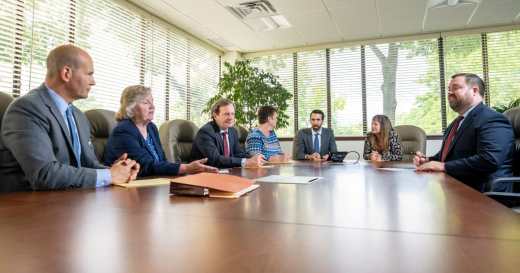
The ability to run a good meeting signals to others that you are a competent professional and a good leader. An on-point, crisply presented meeting that has the right agenda, invites the right people and results in a list of actionable items, will confer to you great respect, if not admiration. Your meeting facilitation skills can help you win a client, a promotion, or a raise.
Is the meeting necessary?
Before you reserve meeting space and plan the agenda, ask yourself a big question—-might the information or result you’d like to obtain be accessed by way of, say, a 15 minute phone call or a couple of emails? In other words, before you call a meeting, remember that meetings are expensive; they cost time and money. If your objective can be met through e-mail, videoconference call, or even a one-on-one discussion, skip the meeting altogether and conserve valuable resources.
If holding a meeting emerges as the most effective way to share or obtain important information or provide a forum for a group discussion and consensus decision-making then by all means schedule a time, choose a format or place (virtual, in-person, or hybrid), plan an agenda and round up the stakeholders and decision-makers.
Determine objectives
A clear objective will set the tone for the meeting and determine its agenda. The desired outcome(s) should be specific and measurable. If you’re expecting attendees to brainstorm their way to a solution or course of action, ask them to arrive with a list of ideas.
Schedule strategically
Schedule meetings for a day and time when those you want to be in the room are most likely to attend. In most cases, scheduling Monday morning or Friday afternoon meetings is inadvisable. You want meeting participants to be fully present and not overwhelmed with the work week or daydreaming about weekend plans. I’ve learned that it’s helpful to contact the most influential participants on your proposed attendees list and confirm their availability for a potential meeting dates and times.
Invite decision-makers.
The most effective meetings involve stakeholders to ensure that:
1). The decisions made will be accepted and not challenged or voided.
2). Decisions can be made immediately and they’ll be implemented.
As noted above, confirm a couple of potential dates and times to ensure the presence of heavy- hitters who have the power to green-light. If a key decision-maker is unavailable, ask a subordinate to attend. Ideally, this person will be able to speak for their supervisor, and–at the very least–take notes and report back.
Prioritize agenda
To ensure that high priority objectives are met are fully discussed, address the most important issues first. That way, if someone needs to step away or leave the meeting early, you’ll still have accomplished that which is most urgent or time- sensitive.
Stick to the agenda.
The agenda is a roadmap that keeps everyone on topic, guides and maintains the meeting’s pace and flow and in that way enables the full examination and assessments that facilitates good decision-making. It helps it to adjourn on time, with the desired results in hand.
Furthermore, the agenda discourages off-topic conversations that sabotage the attainment of meeting objectives and participants’ time. If an unanticipated topic surfaces and is deemed relevant, the meeting convener should politely but firmly interrupt the conversation and suggest that since the matter is important it deserves another forum, which can be arranged. Alternatively, the topic can taken up at the conclusion of the meeting after the agenda items have been discussed.
Wrap up, follow-up
At the end of the meeting, the meeting convener should remind participants of any decisions and deadlines and clarify any follow-up action required. All meeting participants should understand exactly what is expected of them. Schedule any follow-up meetings immediately. Send meeting minutes to all participants and to stakeholders and decision-makers who were unable to attend (but you’d like to keep them apprised of important actions and decisions).
Thanks for reading,
Kim
 Freelancetheconsultantsdiary's Blog