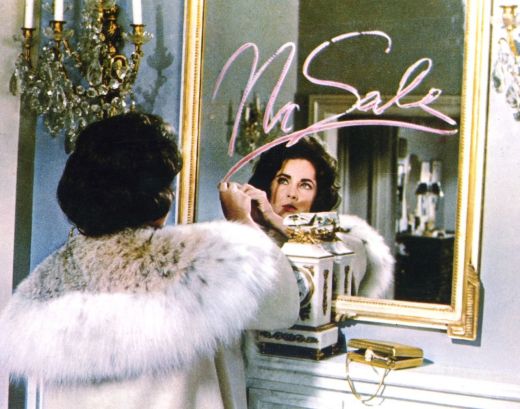
It’s difficult to accept that a potential sale can disintegrate at any point in the sales funnel. Most potential sales unravel eventually, as confused or unsure prospects investigate which products or services might best address their needs and what that solution could cost.
I’ll wager that you don’t take personally the rejection of the TOFU group, early-stage browsers who wander into the top of the sales funnel. It is not until the prospect demonstrates real interest and reaches the BOFU, bottom of the sales funnel, that things get serious. Prospects who reach that stage have real potential to become a client. It’s disappointing when a sale doesn’t happen.
You’ve invested time in your advanced-stage prospects as they’ve traveled through the MOFU, middle of the funnel. You were pleased to learn that an e-book or case study was downloaded; you may have followed-up on that action with an emailed note of thanks and an offer to provide more details on request, or schedule a no-cost half hour phone consultation.
You may be daydreaming about writing a proposal and how wonderful it will feel to add this company to the client roster. So if the prospect abruptly goes silent, ghosting you, it’s rather a painful blow. Why is this happening and how can you fix it?
Let’s figure this out. Prospects can ghost you at any point, although disappearing acts usually occur after the first meeting or phone call, or after a proposal has been received. In the first instance, it’s probably the case that the prospect merely wanted to find out what’s available in terms of products or services and to get ballpark pricing info. These people are fishing, evaluating possible solutions for the problem and they’re not ready to commit to taking action. Let it go.
To separate genuine prospects, who are thinking seriously about doing business, from pie-in-the-sky window shoppers, the best tactic is to ask a couple of direct questions about the problem or goal for which the possible prospect wonders if your organization might provide the solution. If possible prospect is unable to articulate a specific problem that motivates his/her curiosity about your products or services, assume the need is not urgent. Accept that it may be impossible to convert this prospect in the near term, if at all.
If you have information that speaks to some aspect of what the individual is interested in—an issue of your newsletter, a case study, white paper, or even an article by another author, offer to send the information to your inquirer. If you’re able to assist the decision-making process you never know, it may be pay off for you somewhere down the line. You might become the recipient of a referral as repayment of your courtesy.
In the second instance, if your prospect ghosts you after a proposal has been requested and sent, the matter is much more serious. The three most likely obstacles are:
- Your price is too high
- Your solution doesn’t seem to address the problem
- They were talking with a competitor all along and went with the other company
Both pricing and the solution that you put forth in your proposal are best discussed before you commit anything to writing. Whether you discuss these critical issues on the telephone, in a video meeting, or face2face (I wouldn’t recommend emails for matters so important), you must understand what the prospect needs to achieve and when the deliverables must be in hand. You must know that you can provide what is needed, when it is needed and at a price that the prospect will accept.
A proposal answers three questions —1). What will the prospect receive? It should be made clear in your proposal how the strategies and actions that you propose will achieve the goals; 2.) When will the project be completed? It should be made clear that the project deadline can be met; and 3.) How much will it cost? You should have a very good idea of what the client is willing to pay for the product or service you will provide.
A good proposal presents a narrative, with strategies and data and timelines, that helps the prospect understand what s/he will receive, when it will ready and the price.
Regarding price, it is advisable to inquire about the budget as the project specs are being discussed. As the prospect describes what’s on the wish list, start thinking about how much it might cost your organization to deliver. You can mention a ballpark figure and ask the prospect if that is within the budget. Hint: give a high estimate. If the prospect doesn’t flinch, that’s great! If body language and facial expressions indicate that your off-the-cuff price is too rich for their blood, downshift and let the prospect know that you’re confident you can customize a solution that will provide the must-haves and remain within their budget.
Finally, if all seems to have gone well and yet the prospect goes silent, experience tells me that the most common reason for ghosting after a proposal has been sent is that they’ve signed with someone else and they don’t want to hurt your feelings.
Still, it’s not professional behavior, inconsiderate of the time and effort you’ve invested in helping the prospect solve a challenge or reach a goal. You owe it to yourself to follow-up by phone or email and ask for an update, “Are you still interested in our services/product? When would you like to move forward?” You’ve most likely lost the sale, but nudging the prospect to face up to his/her decision allows closure and helps you to move on to greener pastures.
Thanks for reading,
Kim
Image: Elizabeth Taylor won the Best Actress Academy Award for her performance in Butterfield 8. (1960), directed by Daniel Mann
 Freelancetheconsultantsdiary's Blog